Successful organizations know better than anyone how to create a connection between the source and the actual realization. What is meant by this?
- The source is the “why” of the organization, the organizational values, the vision, the mission, the strategy, the strategic pillars and the organizational goals.
- Realization is about how we turn dreams and goals into plans and results. What is actually realized? The financial result, revenue and customer satisfaction.
What does organizational development mean?
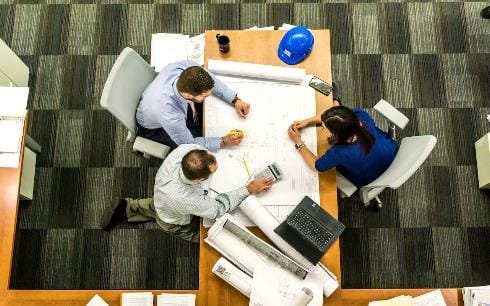
Organization development (Dutch: organisatie ontwikkeling) is a planned, systematic and long-term process flow of change and further development of a company (an organization), in which as many stakeholders as possible participate. It is holistic and includes the change of the organizational structure, the corporate culture and the individual behavior of managers and employees.
Organizational development is intended to make the company as a whole more efficient and successful. At the same time, the working conditions and opportunities of individual employees must be improved. Both objectives influence each other.
Why is organizational development important?
Increasingly rapid innovations and global competition force companies to change continuously and thus to be flexible. Rigid structures and processes slow down companies. If employees want to be innovative, they need freedom and space to make decisions. With the concepts of organizational development, companies can renew themselves from within, initiate learning processes and thus remain competitive.
Characteristics of organizational development
Organizational development is a rather abstract concept. The following criteria help to distinguish this concept from other change processes:
- It is focused on the medium to long term and relates to the entire company.
- It is based on the insights of the behavioral sciences and takes into account how and why organizations change.
- It is process-oriented. It is about the change itself, not about achieving an end state.
- It is participatory and requires the active participation of all persons involved.
- It requires moderation.
Process models for organizational development
Behind the above measures are long learning and adaptation processes. Organizations cannot change overnight. There are several theoretical models for the processes of organizational development:
The top-down and bottom-up model
Top-down means that the change is initiated and prescribed by management (“from above”) and must be implemented by employees. The problem with this approach is that the change is imposed from the outside. Employees are not involved in the decisions and therefore may be less motivated or even resist.
Bottom-up refers to change “from the bottom up,” that is, by the employees. They discover weaknesses themselves, develop proposals for improvement and pass them on to management. Changes implemented in this way are often well received, but this approach often leads only to small, selective improvements, not to overall change.
A combination of the two models promises the most success: the “countercurrent principle. For example, management recognizes the need for change and then creates processes to gather suggestions for improvement from employees. Or employees start complaining to management about certain conditions, after which management takes steps to improve the situation.