Remember those grainy black-and-white images of dockworkers or miners in nothing but cotton shirts and caps? Today’s industrial environments look nothing like that – and neither do the clothes. A hard hat, a high-vis vest, or a flame-resistant overall isn’t just uniform dressing. It’s a calculated barrier between danger and the human body. And while tools and tasks have evolved, one truth remains: protecting workers starts with what they wear.
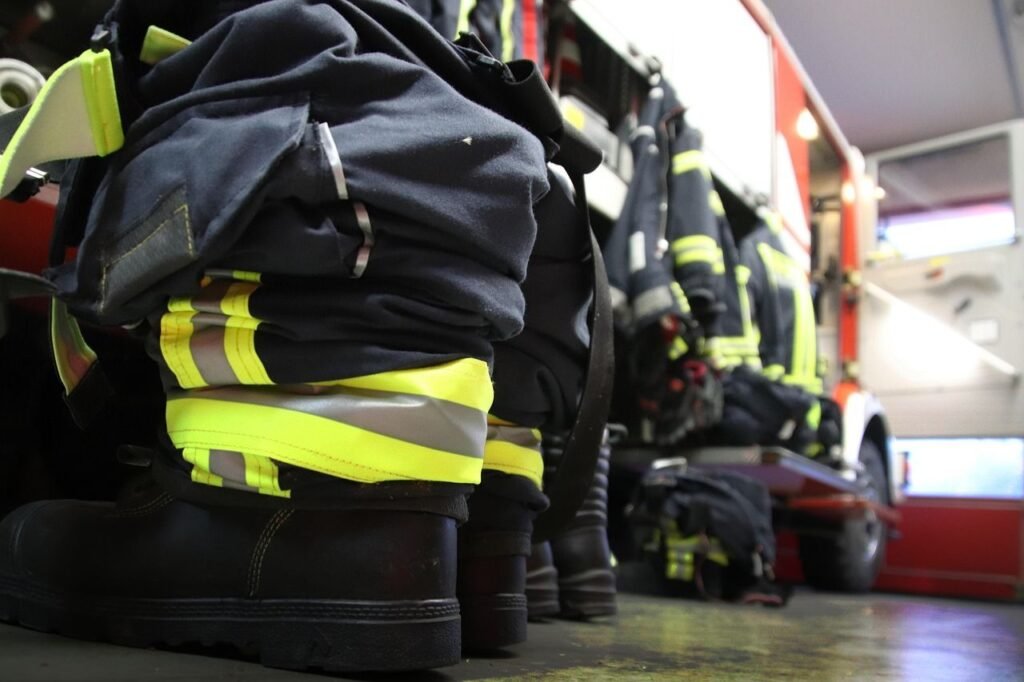
The essential role of protective gear in modern sectors
At its core, personal protective equipment (PPE) exists to shift workplace safety from reactive to proactive. Instead of waiting for an accident to happen, companies now deploy gear designed to prevent injury before it occurs. Thousands of incidents are avoided every year simply because workers wore the right equipment at the right time. Equipping staff with appropriate protective clothing acts as the frontline defense against everyday workplace hazards-be it flying debris, chemical splashes, or extreme heat.
Workplace safety and accident prevention
The most effective safety programs don’t rely on luck. They rely on layers of protection, with PPE being one of the final-and most visible-lines of defense. When combined with proper training and hazard assessment, protective apparel drastically reduces the risk of injury. In high-risk industries like construction or manufacturing, even minor lapses can lead to serious consequences. That’s why standards now treat protective clothing not as optional, but as non-negotiable.
Key material properties and textiles
Not all fabrics are created equal. Natural fibers like cotton offer breathability but may lack durability or fire resistance. Synthetic materials such as Nomex®, Kevlar®, or polyethylene bring tensile strength, chemical resistance, or thermal protection to the table. The real challenge lies in balancing protection with comfort. A suit that overheats the wearer will be unzipped-or worse, avoided. That’s why modern designs focus on moisture-wicking linings, ergonomic seams, and lightweight composites that don’t sacrifice mobility.
Choosing the right fit for your team
Ill-fitting gear is risky gear. Too loose, and it can snag on machinery. Too tight, and it restricts movement or fails to allow proper layering. Sizing isn’t just about height and weight-it’s about the task. A welder needs articulated sleeves; a lab technician needs cuffs that seal. And maintenance matters: regular inspection, proper laundering, and timely replacement ensure that protection doesn’t degrade over time. In short, the right fit isn’t just comfortable-it’s critical to compliance.
Understanding specialized categories and safety standards
Common types of safety apparel
Workplace hazards vary widely-and so do the solutions. One-size-fits-all doesn’t exist in professional safety wear. Instead, gear is tailored to specific risks. Here are some of the most common types you’ll encounter:
- 🟨 Hi-vis vests for traffic control and low-light environments
- 🧪 Hazardous material suits for chemical handling or decontamination zones
- 🔥 Flame-retardant overalls for welding, foundries, or electrical work
- ☀️ UV protective wear for outdoor crews exposed to prolonged sunlight
- 🌧️ Waterproof and chemical-resistant rainwear for utility and waste management teams
Each category meets distinct performance benchmarks. For example, hi-vis clothing isn’t just bright yellow-it must reflect light under specific conditions to meet visibility standards. Similarly, chemical suits are rated based on the type and concentration of substances they can resist. Choosing the right type means understanding not just the job, but the environment.
Industrial compliance and technological breakthroughs
Navigating safety certifications can feel like decoding a foreign language. EN 340, EN ISO 20471, EN 11612-each code corresponds to a specific hazard and performance level. These aren’t arbitrary labels. They’re legal requirements in many industries, and they serve as proof that gear has undergone rigorous testing.
To help clarify the landscape, here’s a simplified breakdown:
| 🛡️ Certification | ⚠️ Primary Hazard Addressed | 🛠️ Typical Use Case |
| EN ISO 20471 | Low visibility in traffic or moving machinery zones | Roadwork crews, airport ground staff |
| EN 11612 | Heat and flame exposure (convection, radiation) | Foundry workers, metal pourers |
| EN 13034 | Liquid chemical splashes (Type 6 protection) | Chemical handling, cleaning operations |
| EN 1149 | Electrostatic discharge in explosive atmospheres | Oil and gas, grain silos, paint booths |
| EN 343 | Weather protection (rain, wind, cold) | Outdoor maintenance, utility workers |
These standards don’t just guide buyers-they protect them. Using certified gear demonstrates due diligence, which can be crucial in the event of an incident or audit. In practice, this means that purchasing decisions should always start with a hazard assessment, not a price tag.
Innovation and real-world impact of advanced safety design
The rise of smart safety solutions
Safety gear is getting smarter. Literally. New-generation fabrics now integrate sensors that monitor core body temperature, heart rate, or hydration levels. In high-heat environments like steel plants or confined spaces, these metrics can trigger early warnings before heat stress becomes life-threatening. Some vests even include GPS or fall-detection systems. Beyond safety, these innovations offer operational benefits-real-time data helps supervisors manage workloads and reduce fatigue-related errors.
At the same time, sustainability is shaping the future of PPE. Companies are investing in recyclable materials and biodegradable disposables. Reusable suits with longer lifespans cut down on waste, while closed-loop laundering programs keep contaminated gear out of landfills. For eco-conscious organizations, this isn’t just about compliance-it’s about responsibility.
Field evidence: From hazards to safety
The value of high-quality protective clothing isn’t theoretical. In one documented case, a chemical plant worker survived a solvent leak unharmed because his EN 13034-certified suit prevented skin contact. In another, a flash fire at an electrical substation left no injuries-thanks to arc-rated garments that met NFPA 70E standards. These aren’t isolated wins. Across industries, premium gear consistently reduces injury severity and downtime. The return on investment? Fewer claims, lower insurance premiums, and a stronger safety culture.
Common Questions
What is the most common mistake when ordering site gear?
Opting for a one-size-fits-all approach is a frequent error. Different roles require different protections-using chemical-resistant suits for outdoor visibility tasks, for example, wastes resources and risks discomfort. Always match the gear to the specific hazard, not just the job title.
Are there hidden costs in maintaining high-performance safety suits?
Yes. Some flame-resistant and chemical-protective garments require specialized laundering to preserve their integrity. Improper washing can degrade protective layers. Additionally, certain gear needs periodic recertification or testing, adding to long-term costs.
What happens once a safety garment suffers significant wear?
It should be removed from service immediately. Torn seams, punctures, or degraded fabric compromise protection. Most safety programs include inspection protocols to catch damage early, ensuring worn items are replaced before they fail.
What legal protections do these standards provide for managers?
Using certified gear demonstrates compliance with duty-of-care obligations. In the event of an incident, documented use of EN-standard apparel can show that reasonable precautions were taken, reducing legal and financial exposure.