As businesses increasingly embrace electric vehicles (EVs), understanding the costs associated with charging a fleet is critical.
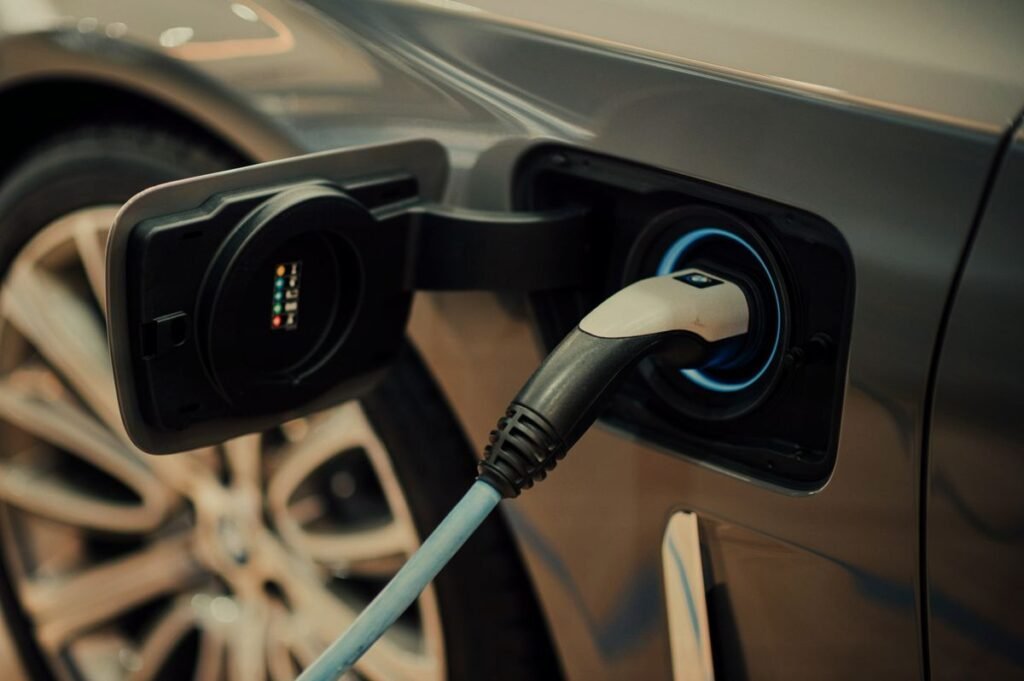
The shift to EVs promises lower fuel expenses, reduced maintenance, and a smaller carbon footprint, but managing charging infrastructure efficiently can be complex. This guide will help fleet managers navigate the cost landscape and make informed decisions about powering their electric fleet.
Understanding EV Charging Types
EV charging can be broadly categorised into three types:
- Level 1 (Slow Charging): Typically uses a standard 120V outlet. It is the slowest charging option and may take over 12 hours to fully charge a vehicle. While installation costs are minimal, the low charging speed makes it impractical for most business fleets.
- Level 2 (Fast Charging): Uses a 240V outlet, significantly reducing charging time to 4–8 hours. Level 2 chargers strike a balance between cost and efficiency, making them suitable for overnight fleet charging or workplaces with predictable vehicle schedules.
- DC Fast Charging (Rapid Charging): Provides high-speed charging capable of replenishing an EV battery in under an hour. Though the most expensive to install and operate, rapid chargers are ideal for fleets that need vehicles on the road continuously.
Key Cost Factors for Fleet EV Charging
Several factors influence the total cost of EV charging for a business fleet:
- Electricity Rates: Charging costs depend on local electricity tariffs. Businesses in regions with lower electricity rates will naturally benefit from cheaper EV operation. Some areas offer special tariffs for off-peak charging, which can substantially reduce costs.
- Installation Costs: Installing chargers involves hardware costs, electrical upgrades, and possibly site modifications. Level 2 chargers are generally the most cost-effective for medium-sized fleets, while DC fast chargers require substantial investment but provide operational flexibility.
- Maintenance and Operation: While EVs generally require less maintenance than internal combustion vehicles, chargers need occasional servicing. Software updates, inspections, and repairs should be factored into total ownership costs.
- Government Incentives: Many governments offer grants, tax credits, or rebates to support EV adoption. Businesses can significantly reduce upfront expenses by leveraging these programs.
Fleet Size and Charging Strategy
The size of your fleet will dictate the optimal charging strategy. Small fleets may manage with Level 2 chargers, especially if vehicles have predictable schedules. Larger fleets might need a combination of Level 2 and DC fast chargers to maintain operational efficiency. Strategic placement of chargers, staggered charging schedules, and smart energy management systems can further optimise costs.
Comparing Costs Across Charging Solutions
To make accurate cost comparisons, businesses should analyse the total cost of ownership (TCO) rather than just upfront costs. This includes:
- Hardware and installation expenses
- Electricity consumption based on daily mileage and vehicle efficiency
- Maintenance and potential downtime costs
- Available government incentives
A detailed cost comparison can reveal which combination of chargers provides the best balance between investment and operational efficiency. For businesses looking to simplify this process, tools like iCompario provide detailed comparisons of energy costs, equipment options, and potential savings for different EV fleet configurations.
Summing It All Up
Transitioning a business fleet to electric vehicles is more than just buying new vehicles; it requires a careful understanding of charging costs and infrastructure needs. By evaluating charging types, installation requirements, electricity rates, and fleet schedules, businesses can make informed choices that maximise cost savings and operational efficiency.