Close Menu
    Latest Category
    • Finance
    • Tech
    • EU Law
    • Energy
    • About
    • Contact
    EUbusiness.com | EU news, business and politicsEUbusiness.com | EU news, business and politics
    Login
    • EU News
    • Focus
    • Guides
    • Press
    • Jobs
    • Events
    • Directory
    EUbusiness.com | EU news, business and politicsEUbusiness.com | EU news, business and politics
    Home » The Cost Comparison Guide to EV Charging for Business Fleets

    The Cost Comparison Guide to EV Charging for Business Fleets

    eub2eub29 December 2025 focus
    — Filed under: Focus
    Share
    Facebook Twitter LinkedIn Pinterest Email

    As businesses increasingly embrace electric vehicles (EVs), understanding the costs associated with charging a fleet is critical.
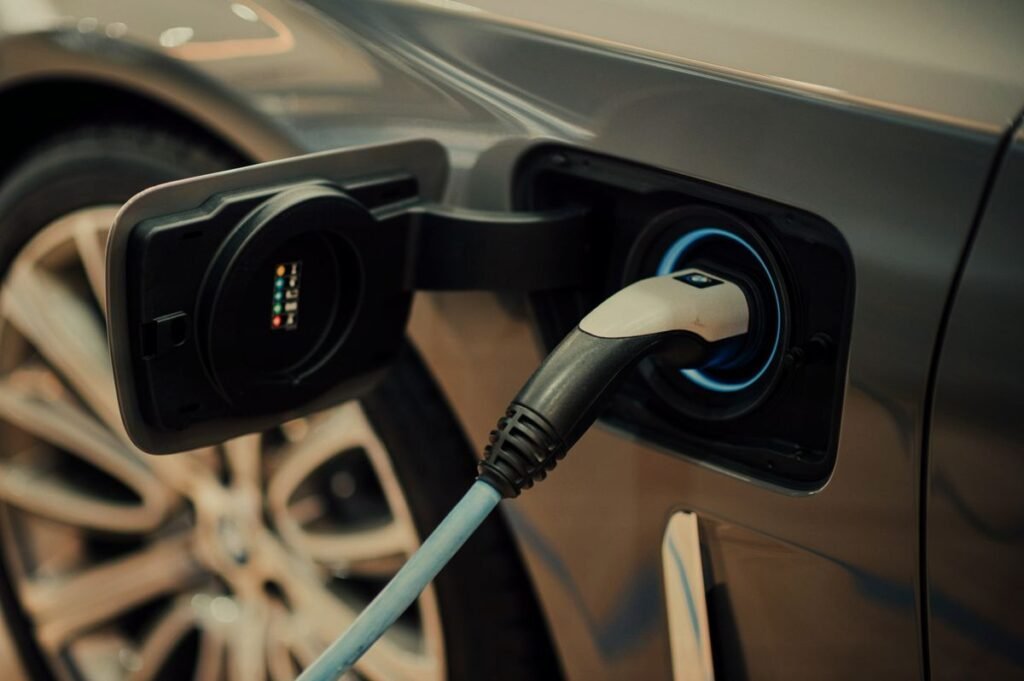
    Electric car charging - Photo by CHUTTERSNAP on Unsplash

    The shift to EVs promises lower fuel expenses, reduced maintenance, and a smaller carbon footprint, but managing charging infrastructure efficiently can be complex. This guide will help fleet managers navigate the cost landscape and make informed decisions about powering their electric fleet.

    Understanding EV Charging Types

    EV charging can be broadly categorised into three types:

    • Level 1 (Slow Charging): Typically uses a standard 120V outlet. It is the slowest charging option and may take over 12 hours to fully charge a vehicle. While installation costs are minimal, the low charging speed makes it impractical for most business fleets.
    • Level 2 (Fast Charging): Uses a 240V outlet, significantly reducing charging time to 4–8 hours. Level 2 chargers strike a balance between cost and efficiency, making them suitable for overnight fleet charging or workplaces with predictable vehicle schedules.
    • DC Fast Charging (Rapid Charging): Provides high-speed charging capable of replenishing an EV battery in under an hour. Though the most expensive to install and operate, rapid chargers are ideal for fleets that need vehicles on the road continuously.

    Key Cost Factors for Fleet EV Charging

    Several factors influence the total cost of EV charging for a business fleet:

    • Electricity Rates: Charging costs depend on local electricity tariffs. Businesses in regions with lower electricity rates will naturally benefit from cheaper EV operation. Some areas offer special tariffs for off-peak charging, which can substantially reduce costs.
    • Installation Costs: Installing chargers involves hardware costs, electrical upgrades, and possibly site modifications. Level 2 chargers are generally the most cost-effective for medium-sized fleets, while DC fast chargers require substantial investment but provide operational flexibility.
    • Maintenance and Operation: While EVs generally require less maintenance than internal combustion vehicles, chargers need occasional servicing. Software updates, inspections, and repairs should be factored into total ownership costs.
    • Government Incentives: Many governments offer grants, tax credits, or rebates to support EV adoption. Businesses can significantly reduce upfront expenses by leveraging these programs.

    Fleet Size and Charging Strategy

    The size of your fleet will dictate the optimal charging strategy. Small fleets may manage with Level 2 chargers, especially if vehicles have predictable schedules. Larger fleets might need a combination of Level 2 and DC fast chargers to maintain operational efficiency. Strategic placement of chargers, staggered charging schedules, and smart energy management systems can further optimise costs.

    Comparing Costs Across Charging Solutions

    To make accurate cost comparisons, businesses should analyse the total cost of ownership (TCO) rather than just upfront costs. This includes:

    • Hardware and installation expenses
    • Electricity consumption based on daily mileage and vehicle efficiency
    • Maintenance and potential downtime costs
    • Available government incentives

    A detailed cost comparison can reveal which combination of chargers provides the best balance between investment and operational efficiency. For businesses looking to simplify this process, tools like iCompario provide detailed comparisons of energy costs, equipment options, and potential savings for different EV fleet configurations.

    Summing It All Up

    Transitioning a business fleet to electric vehicles is more than just buying new vehicles; it requires a careful understanding of charging costs and infrastructure needs. By evaluating charging types, installation requirements, electricity rates, and fleet schedules, businesses can make informed choices that maximise cost savings and operational efficiency.


    Add A Comment
    Leave A Reply Cancel Reply

    You must be logged in to post a comment.

    eub2
    • Website

    eub2 is the default publisher for EUbusiness.

    Related Content

    PayAdmit image

    PayAdmit Services Show the Real Build Versus Buy Economics of Payment Gateways in 2026

    Debt collection image

    When a Swiss Customer Pays Late: What EU Suppliers Should Do Next

    ElectroAir

    Why compact GSE design matters in crowded airport operations

    Every Trading Experience Has Its Own Story

    Inside ICX Global: How the Platform Scores in 2026

    Business meeting with laptops - Image by Annie Spratt on Unsplash

    When A Growing Group Needs Its First Group Financial Controller

    AI woman - Image by ThisIsEngineering on Pexels

    Seedance 2.5 AI Video Creation Tool Expands Creative Workflows for Modern Content Production

    LATEST EU NEWS
    Bankruptcy - Image by Michael Schüller from Pixabay

    Bankruptcies up, EU business registrations down in Q2 2026

    20 August 2026
    Euro - ECB-Photo by Mika Baumeister on Unsplash

    August currency outlook – Euro currency news

    12 August 2026
    Smoking man - Photo by Geri Tech on Pexels

    1 in 6 Europeans use tobacco or related products daily

    7 August 2026
    Business growth green invest scaleup - Image by Nattanan Kanchanaprat from Pixabay

    €5 billion target for EU’s new Scaleup Europe Fund

    6 August 2026
    Ukraine Kyiv destruction - Photo Sergei Chuzavkov © European Union 2026

    EU receives €1.4 bn revenue from immobilised Russian assets to support Ukraine

    5 August 2026

    Subscribe to EUbusiness Week

    Get the latest EU news

    CONTACT INFO

    • EUbusiness, 117 High Street, Chesham Buckinghamshire, HP5 1DE, United Kingdom
    • +44(0)20 8058 8232
    • service@eubusiness.com

    INFORMATION

    • About Us
    • Advertising
    • Contact Info

    Services

    • Cookie Policy
    • Terms
    • Disclaimer

    SOCIAL MEDIA

    Facebook
    eubusiness.com © EUbusiness Ltd 2026

    Type above and press Enter to search. Press Esc to cancel.

    Manage Consent
    To provide the best experiences, we use technologies like cookies to store and/or access device information. Consenting to these technologies will allow us to process data such as browsing behavior or unique IDs on this site. Not consenting or withdrawing consent, may adversely affect certain features and functions.
    Functional Always active
    The technical storage or access is strictly necessary for the legitimate purpose of enabling the use of a specific service explicitly requested by the subscriber or user, or for the sole purpose of carrying out the transmission of a communication over an electronic communications network.
    Preferences
    The technical storage or access is necessary for the legitimate purpose of storing preferences that are not requested by the subscriber or user.
    Statistics
    The technical storage or access that is used exclusively for statistical purposes. The technical storage or access that is used exclusively for anonymous statistical purposes. Without a subpoena, voluntary compliance on the part of your Internet Service Provider, or additional records from a third party, information stored or retrieved for this purpose alone cannot usually be used to identify you.
    Marketing
    The technical storage or access is required to create user profiles to send advertising, or to track the user on a website or across several websites for similar marketing purposes.
    • Manage options
    • Manage services
    • Manage {vendor_count} vendors
    • Read more about these purposes
    View preferences
    • {title}
    • {title}
    • {title}
    Manage Consent
    To provide the best experiences, we use technologies like cookies to store and/or access device information. Consenting to these technologies will allow us to process data such as browsing behavior or unique IDs on this site. Not consenting or withdrawing consent, may adversely affect certain features and functions.
    Functional Always active
    The technical storage or access is strictly necessary for the legitimate purpose of enabling the use of a specific service explicitly requested by the subscriber or user, or for the sole purpose of carrying out the transmission of a communication over an electronic communications network.
    Preferences
    The technical storage or access is necessary for the legitimate purpose of storing preferences that are not requested by the subscriber or user.
    Statistics
    The technical storage or access that is used exclusively for statistical purposes. The technical storage or access that is used exclusively for anonymous statistical purposes. Without a subpoena, voluntary compliance on the part of your Internet Service Provider, or additional records from a third party, information stored or retrieved for this purpose alone cannot usually be used to identify you.
    Marketing
    The technical storage or access is required to create user profiles to send advertising, or to track the user on a website or across several websites for similar marketing purposes.
    • Manage options
    • Manage services
    • Manage {vendor_count} vendors
    • Read more about these purposes
    View preferences
    • {title}
    • {title}
    • {title}

    Sign In or Register

    Welcome Back!

    Login to your account below.

    Lost password?