Close Menu
    Latest Category
    • Finance
    • Tech
    • EU Law
    • Energy
    • About
    • Contact
    EUbusiness.com | EU news, business and politicsEUbusiness.com | EU news, business and politics
    Login
    • EU News
    • Focus
    • Guides
    • Press
    • Jobs
    • Events
    • Directory
    EUbusiness.com | EU news, business and politicsEUbusiness.com | EU news, business and politics
    Home » EU sets targets to reduce packaging consumption

    EU sets targets to reduce packaging consumption

    npsnps5 March 2024
    — Filed under: Consumer Environment EU News Food & Drink Headline1
    Share
    Facebook Twitter LinkedIn Pinterest Email
    EU sets targets to reduce packaging consumption

    Food packing waste – Photo by Jas Min on Unsplash

    (BRUSSELS) – The EU Council and Parliament reached agreement Monday to revamp rules to reduce, reuse and recycle packaging, including a ban on ‘forever chemicals’ in food contact packaging.

    EU packaging – generating a turnover of EUR 355 billion in 2018 – is an ever-increasing source of waste. The EU total increased from 66 million tonnes in 2009 to 84 million tonnes in 2021. Each European generated 188.7 kg of packaging waste in 2021, a figure expected to increase to 209 kg in 2030 without additional measures.

    The aim of the new measures is to make packaging used in the EU safer and more sustainable, requiring all packaging to be recyclable, minimising the presence of harmful substances, reducing unnecessary packaging, boosting the uptake of recycled content and improving collection and recycling.

    The agreement sets packaging reduction targets (5% by 2030, 10% by 2035 and 15% by 2040) and requires EU countries to reduce, in particular, the amount of plastic packaging waste.

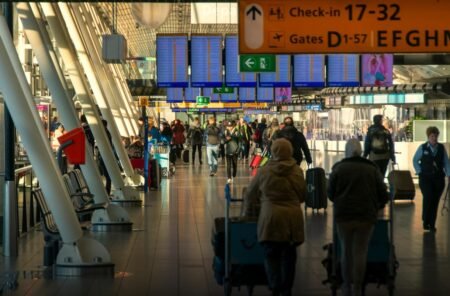
    According to the deal, certain single use plastic packaging formats, such as packaging for unprocessed fresh fruit and vegetables, packaging for foods and beverages filled and consumed in cafés and restaurants, individual portions (for e.g. condiments, sauces, creamer, sugar), accommodation miniature packaging for toiletry products and shrink-wrap for suitcases in airports, would be banned from 1 January 2030.

    There will be a ban on very lightweight plastic carrier bags (below 15 microns), unless required for hygiene reasons or provided as primary packaging for loose food to help prevent food wastage.

    To prevent adverse health effects, MEPs secured introduction of a ban on use of so-called “forever chemicals” (per- and polyfluorinated alkyl substances or PFASs) in food contact packaging.

    Negotiators agreed to set a specific target for reusable packaging for alcoholic and non-alcoholic beverages (except e.g. milk, wine, aromatised wine, spirits) by 2030 (at least 10%). Member states are able to grant a five-year derogation from these requirements under certain conditions.

    Final distributors of beverages and take-away food in the food service sector would be obliged to offer consumers the option of bringing their own container. They would also be required to endeavour to offer 10% of products in a reusable packaging format by 2030.

    In addition, the MEPs say member states should be required to incentivise restaurants, canteens, bars, cafés and catering services to serve tap water, (where available, for free or for a low service fee) in a reusable or refillable format.

    All packaging should be recyclable, fulfilling strict criteria to be defined through secondary legislation. Certain exemptions are foreseen for lightweight wood, cork, textile, rubber, ceramic, porcelain or wax.

    Other agreed measures include minimum recycled content targets for any plastic part of packaging; minimum recycling targets by weight of packaging waste generated and increased recyclability requirements; 90% of single use plastic and metal beverage containers (up to three litres) to be collected separately by 2029 (deposit-return systems).

    Parliament and Council need to formally approve the agreement before it can enter into force.

    Further information, European Parliament

    Procedure file

    Legislative train

    Add A Comment
    Leave A Reply Cancel Reply

    You must be logged in to post a comment.

    nps
    • Website

    Related Content

    Sefcovic - von der Leyen - Albanese - Photo © European Union 2026

    EU and Australia conclude talks on trade agreement

    Putin - Image by svklimkin from Pixabay

    Brussels renews support for exiled and relocated journalists in the EU

    EU agenda - Image by Andreas Lischka from Pixabay

    EU Agenda: Week Ahead – 23-29 March 2026

    European Council - Photo © European Union 2026

    EU leaders manage to avoid shooting themselves in the foot

    Sponsor: WWF21 March 2026
    Teaching online - Photo by Wes Hicks on Unsplash

    TEFL and EU Labour Mobility: A Practical Route to Work and Travel

    Euro coins and notes - Photo by Pixabay

    Eurozone Economic Calendar

    LATEST EU NEWS
    Sefcovic - von der Leyen - Albanese - Photo © European Union 2026

    EU and Australia conclude talks on trade agreement

    24 March 2026
    Putin - Image by svklimkin from Pixabay

    Brussels renews support for exiled and relocated journalists in the EU

    23 March 2026
    Renewable energy - Image by Maria Maltseva from Pixabay

    47 pct of EU’s electricity came from renewables in 2025

    19 March 2026
    Henna Virkkunen - Photo © European Union 2026

    EU Inc. to boost startups and growth in Europe

    18 March 2026
    Bioeconomy - farmer ploughing field - Photo by Frank Molter © European Union 2017

    EU adopts strategy for sustainable bioeconomy

    17 March 2026

    Subscribe to EUbusiness Week

    Get the latest EU news

    CONTACT INFO

    • EUbusiness, 117 High Street, Chesham Buckinghamshire, HP5 1DE, United Kingdom
    • +44(0)20 8058 8232
    • service@eubusiness.com

    INFORMATION

    • About Us
    • Advertising
    • Contact Info

    Services

    • Cookie Policy
    • Terms
    • Disclaimer

    SOCIAL MEDIA

    Facebook
    eubusiness.com © EUbusiness Ltd 2026

    Type above and press Enter to search. Press Esc to cancel.

    Manage Consent
    To provide the best experiences, we use technologies like cookies to store and/or access device information. Consenting to these technologies will allow us to process data such as browsing behavior or unique IDs on this site. Not consenting or withdrawing consent, may adversely affect certain features and functions.
    Functional Always active
    The technical storage or access is strictly necessary for the legitimate purpose of enabling the use of a specific service explicitly requested by the subscriber or user, or for the sole purpose of carrying out the transmission of a communication over an electronic communications network.
    Preferences
    The technical storage or access is necessary for the legitimate purpose of storing preferences that are not requested by the subscriber or user.
    Statistics
    The technical storage or access that is used exclusively for statistical purposes. The technical storage or access that is used exclusively for anonymous statistical purposes. Without a subpoena, voluntary compliance on the part of your Internet Service Provider, or additional records from a third party, information stored or retrieved for this purpose alone cannot usually be used to identify you.
    Marketing
    The technical storage or access is required to create user profiles to send advertising, or to track the user on a website or across several websites for similar marketing purposes.
    • Manage options
    • Manage services
    • Manage {vendor_count} vendors
    • Read more about these purposes
    View preferences
    • {title}
    • {title}
    • {title}

    Sign In or Register

    Welcome Back!

    Login to your account below.

    Lost password?