Close Menu
    Latest Category
    • Finance
    • Tech
    • EU Law
    • Energy
    • About
    • Contact
    EUbusiness.com | EU news, business and politicsEUbusiness.com | EU news, business and politics
    Login
    • EU News
    • Focus
    • Guides
    • Press
    • Jobs
    • Events
    • Directory
    EUbusiness.com | EU news, business and politicsEUbusiness.com | EU news, business and politics
    Home » Identity Theft vs Impersonation: How are they two different?

    Identity Theft vs Impersonation: How are they two different?

    npsnps2 October 2021Updated:26 June 2024
    — Filed under: Focus
    Share
    Facebook Twitter LinkedIn Pinterest Email

    Identity theft is when someone steals your personal information and uses it to access your banking, credit, or any other type of financial account. Impersonation is when someone pretends to be you. They may use social media to get information about you, then they use that information for their own purposes.
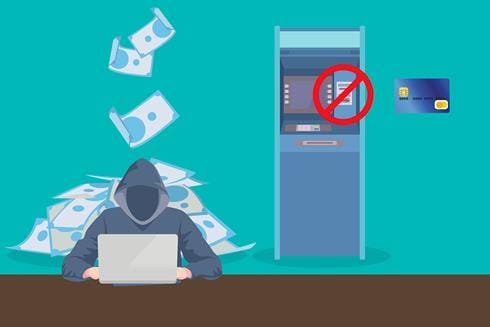
    Identity theft - Image by teguhjati pras from Pixabay

    Both are crimes that are punishable by law, but they are not the same crime.

    What is identity theft?

    From a legal perspective, identity theft means that someone has stolen your personal information. This could be personal information like your name, address, date of birth, Social Security number, credit card number, etc. They are stealing your personally identifiable information, and using it (typically) for financial gain.

    With credit reporting agencies, for example, they might take your information and apply for credit using your Social Security number, without your knowledge or consent.

    Identity theft is a crime that impacts millions of people annually, and can significantly hurt your finances. In severe cases of identity theft, people can go into debt while trying to repair the damage done to their credit score and identity.

    You can find a lot more information on identity theft, and how to protect yourself, by reading these identity theft basics by Identity Guard.

    What is impersonation?

    Impersonation is when someone pretends to be someone else. A person could pretend to be you to do a job, or to get information. However, impersonation does not always involve your identity being stolen.

    For example, there are times where someone will pretend to be another person, just to brag about their success. This would be an example of using someone else’s identity to make themselves look good.

    How they are different from each other

    So how are they different from each other? Identity theft is not always impersonation. For example, if someone stole your purse and used your credit card to make fraudulent purchases, this would be an example of identity theft. However, not everyone is trying to take your identity for a nefarious reason.

    Instead, this situation could be an accident or a crime of opportunity. Someone who did not really want their identity stolen, but did not know how to protect their identity could get their information stolen.

    Impersonation, on the other hand, is always criminal. An impersonator does not just buy an identity. This would be someone who owns a business and puts their employee’s name on their business license. Then, they go online and find someone who looks just like the employee. They then start doing things that they would not be doing, and get away with it.

    How can you protect yourself from both of them?

    The only way to protect yourself from both of these crimes is to not have personal information stolen. It sounds easy, but it is not. It is hard to keep up with all of the companies that keep your information, or monitor every financial account you have.

    A smart way to protect yourself from identity theft is to use a credit freeze on your credit. This will not actually stop you from using your existing credit cards, but it will prevent anyone from opening a new account using your information.

    Another smart way to protect yourself from impersonation is to not post pictures of yourself on social media. This will cut down on the number of people who could pose as you.

    Always keep an eye on your credit report. Never share your personal information with anyone who requests it. Be cautious and be smart. Make sure that you do not become a victim of identity theft.

    Use a password manager to create different passwords for each account. This way, if someone ever gets access to your personal information, you can reset all of the passwords with one simple click.

    Conclusion

    Identity theft is a crime that you can easily avoid. With a little bit of planning and a little bit of luck, you can drastically reduce the chances of identity theft ever happening to you.

    However, a person who does not plan ahead will often suffer greatly. There is nothing more important than your identity. If someone gets their hands on your identity, you will have trouble getting jobs, getting loans, and even buying things online.

    Add A Comment
    Leave A Reply Cancel Reply

    You must be logged in to post a comment.

    nps
    • Website

    Related Content

    Eurelectric logo

    Digital & AI Policy Advisor, Eurelectric

    Carbon Market Watch logo

    Policy officer (ETS/industrial decarbonisation/steel sector), Carbon Market Watch

    EU agenda - Image by Andreas Lischka from Pixabay

    EU Agenda: Week Ahead – 18-23 May 2026

    Euro coins and notes - Photo by Pixabay

    Eurozone Economic Calendar

    Online traders - Photo by AlphaTradeZone on Pexels

    UxoTrade.com and the Nasdaq 100 Momentum in 2026

    Disabled person - Image by svklimkinfrom Pixabay

    Deal on new EU law to protect vulnerable adults

    LATEST EU NEWS
    Disabled person - Image by svklimkinfrom Pixabay

    Deal on new EU law to protect vulnerable adults

    13 May 2026
    Fitto - Tzitzikostas - Photo © European Union 2026

    EU pledges one-ticket rail travel for Europe-wide travel

    13 May 2026
    Drugs - Photo by Myriam Zilles on Unsplash

    EU reaches deal on tackling shortages of essential medicines

    12 May 2026
    Euro - ECB-Photo by Mika Baumeister on Unsplash

    May currency outlook – Euro currency news

    12 May 2026
    Clean drop of water - Image Pexels

    New legislation to strengthen protection of water in the EU enters into force

    11 May 2026

    Subscribe to EUbusiness Week

    Get the latest EU news

    CONTACT INFO

    • EUbusiness, 117 High Street, Chesham Buckinghamshire, HP5 1DE, United Kingdom
    • +44(0)20 8058 8232
    • service@eubusiness.com

    INFORMATION

    • About Us
    • Advertising
    • Contact Info

    Services

    • Cookie Policy
    • Terms
    • Disclaimer

    SOCIAL MEDIA

    Facebook
    eubusiness.com © EUbusiness Ltd 2026

    Type above and press Enter to search. Press Esc to cancel.

    Manage Consent
    To provide the best experiences, we use technologies like cookies to store and/or access device information. Consenting to these technologies will allow us to process data such as browsing behavior or unique IDs on this site. Not consenting or withdrawing consent, may adversely affect certain features and functions.
    Functional Always active
    The technical storage or access is strictly necessary for the legitimate purpose of enabling the use of a specific service explicitly requested by the subscriber or user, or for the sole purpose of carrying out the transmission of a communication over an electronic communications network.
    Preferences
    The technical storage or access is necessary for the legitimate purpose of storing preferences that are not requested by the subscriber or user.
    Statistics
    The technical storage or access that is used exclusively for statistical purposes. The technical storage or access that is used exclusively for anonymous statistical purposes. Without a subpoena, voluntary compliance on the part of your Internet Service Provider, or additional records from a third party, information stored or retrieved for this purpose alone cannot usually be used to identify you.
    Marketing
    The technical storage or access is required to create user profiles to send advertising, or to track the user on a website or across several websites for similar marketing purposes.
    • Manage options
    • Manage services
    • Manage {vendor_count} vendors
    • Read more about these purposes
    View preferences
    • {title}
    • {title}
    • {title}

    Sign In or Register

    Welcome Back!

    Login to your account below.

    Lost password?