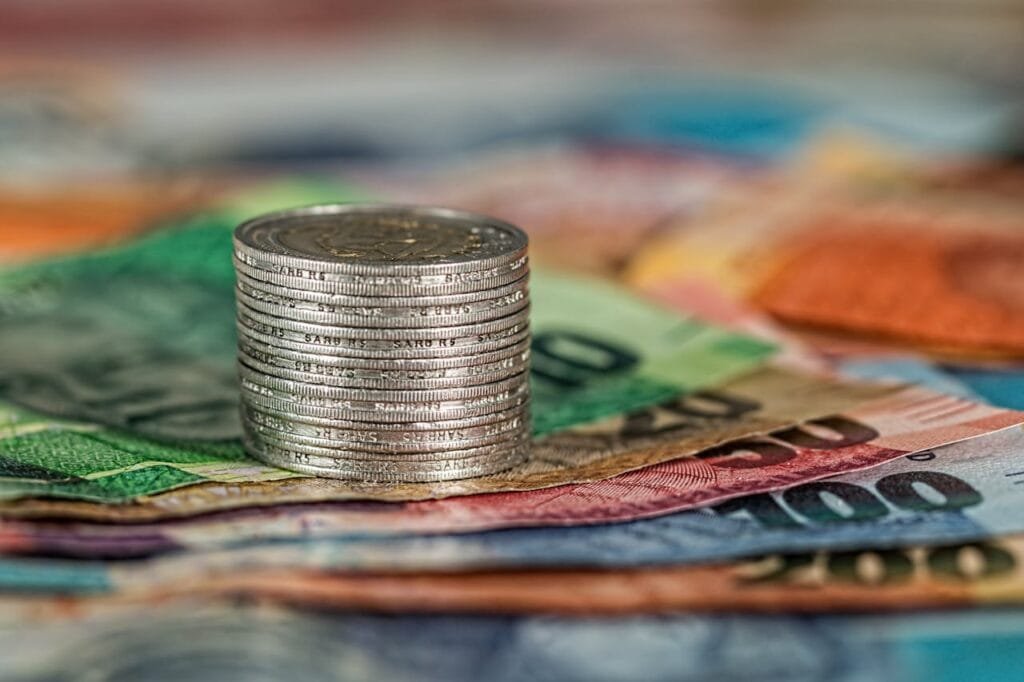
Key Economic Calendar events from the Eurozone to watch out for this week
Latest news about the European Union’s single currency.
Key Economic Calendar events from the Eurozone to watch out for this week
— last modified 04 February 2008 Sweden joined the European Union in 1995 and has not yet adopted the euro, but in accordance with the Treaty it will do so…
— last modified 03 February 2008 Greece joined the European Union in 1981, and adopted the euro in 2001 in time to be among the first wave of EU countries…
— last modified 03 February 2008 Germany is a founding member of the European Union and was one of the first-wave EU countries to adopt the euro on 1 January…
— last modified 03 February 2008 Denmark joined the European Union in 1973. It has negotiated an opt-out from the euro and is thus not obliged to introduce it.AdvertisementDenmark at…
— last modified 03 February 2008 The Czech Republic joined the European Union in 2004 and is currently preparing to adopt the euro.AdvertisementThe Czech Republic at a glanceSurface area: 78…
— last modified 03 February 2008 Bulgaria joined the European Union on 1 January 2007 and has committed to adopt the euro once it fulfils the necessary conditions.AdvertisementBulgaria at a…





Get the latest EU news

Login to your account below.