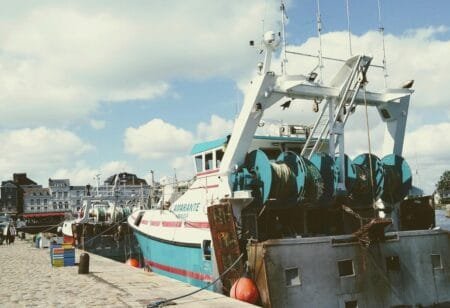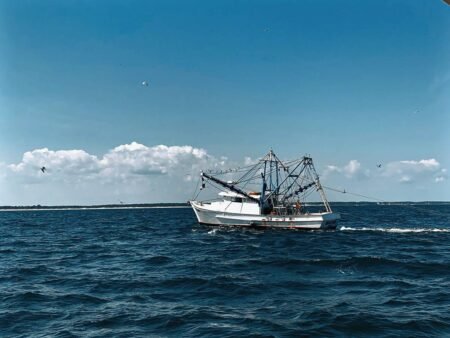


The EU Council reached a political agreement Monday on fishing opportunities in the Baltic Sea for 2027, setting catch limits for key fish stocks, including herring, cod, plaice, sprat and salmon.
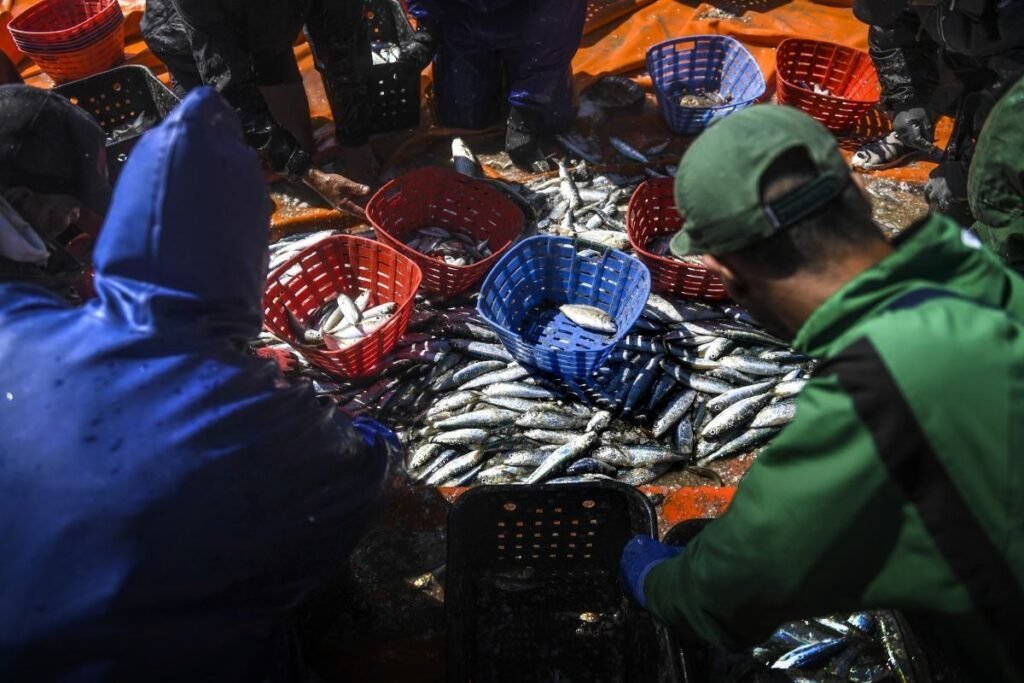
The agreement aims to support the recovery of fish stocks and protect the marine environment, while ensuring a viable future for the fishing sector and the coastal communities that depend on it.
The agreed total allowable catches (TACs) for 2027 – the maximum quantities of fish that can be caught – take into account scientific advice from the International Council for the Exploration of the Sea (ICES), alongside environmental and socioeconomic considerations.
The agreement
Sprat
The Council has agreed to increase fishing opportunities for sprat by 44%, in line with scientific advice, reflecting the significant growth in the stock and expectations that this trend will continue.
Herring
Catch limits for central Baltic herring will increase by 71%. This increase remains below the level recommended by scientists, reflecting member states’ commitment to safeguarding stock recovery and maintaining the positive trend in stock development. To this end, the Council also agreed to maintain the three-month closure during the spawning season.
For Gulf of Riga herring, the Council agreed to increase catch limits by 11% compared with 2026, reflecting the stock’s healthy condition.
For Western Baltic herring, catch limits for unavoidable by-catches will remain at the 2026 level. By-catches are fish caught unintentionally while fishing for other stocks. The existing exemption for small-scale fisheries will remain in place.
The Bothnian herring catch was increased by 12%, and the Council agreed with the Commission proposal to continue to restrict fishing during reproduction periods in shallow coastal waters for a three-month period.
Salmon
The Council agreed to maintain the catch limits for salmon in the Gulf of Finland and the by-catch limits for the main basin of the Baltic Sea at their 2026 levels.
It also maintained the existing exemption for the summer coastal fishery in subdivisions 29 N, 30 and 31, and agreed to continue allowing recreational fishing for reared salmon only.
Cod
Both Eastern and Western Baltic cod stocks continue to remain in poor condition. The Council therefore agreed to maintain catch limits for by-catches only, allowing these stocks to continue recovering. The by-catch limits will remain at their 2026 levels.
To help improve the situation of these stocks, the Council agreed with the Commission’s proposal to maintain the prohibition of recreational cod fishing in the entire area.
Plaice
Catch limits for plaice will increase by 3%.
Norway pout
Beyond the Baltic, among other stocks, the Council also decided on fishing opportunities for Norway pout in the North Sea, a stock that is shared by the EU and the United Kingdom.
Following consultations with the UK, delegations agreed to set an EU limit of 300 tonnes for by-catches only.
The next step is for the Council to formally adopt the decision at an upcoming meeting, once the text has been finalised in all EU languages.