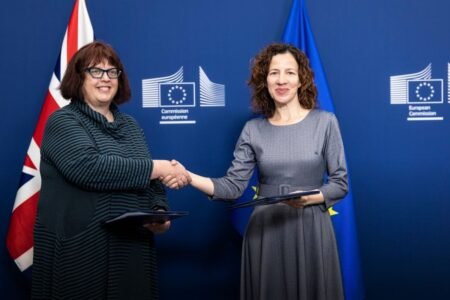


British prime minister Andy Burnham agreed a landmark package with the European Union at the UK-EU Summit Friday focusing on restoring opportunities for young people to work and study in Europe.
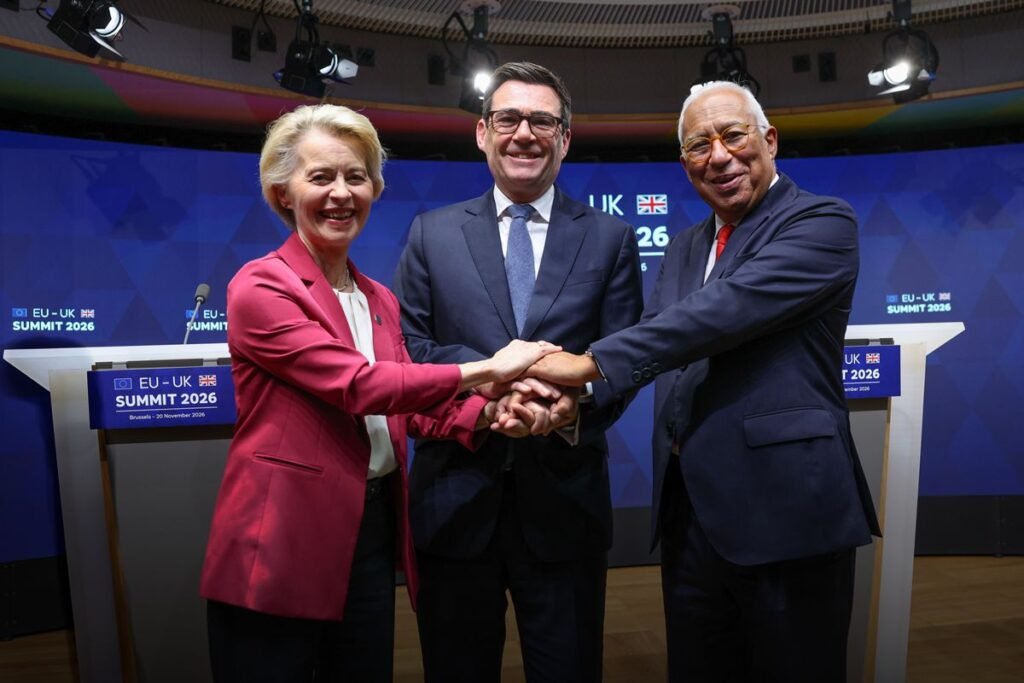
“Ten years on from Brexit, today we open a new chapter. Repairing a broken status quo with a Britain that is closer to Europe”, he said, adding that the deal is a “win-win”, and that it “cuts costs for business, helps with the cost of the weekly shop, and creates opportunities for young people.”
Under the deal, checks on food, farming and plant products moving between Britain and the EU will end, including much of the paperwork that has held back British producers.
Export Health Certificates – sometimes costing up to £200 each – will be scrapped, allowing fresh produce to reach supermarket shelves faster, with less waste and lower costs.
The prime minister said food exports will be able to restart, including “fresh sausages and burgers, Welsh mussels, and Scottish seed potatoes. The deal will also remove the vast majority of paperwork and checks on food and plants moving from Great Britain to Northern Ireland, he said.
By easing pressure on supermarket prices, the food and drink deal could add up to £5.1 billion a year to the UK economy by 2040.
The deal also links the UK and EU’s emissions trading schemes, which will create the world’s largest linked carbon market. It will exempt £6.5 billion of British exports, including steel and aluminium, from the EU’s Carbon Border Adjustment Mechanism (CBAM), removing a major post-Brexit barrier to trade.
Linking the emissions markets is expected to add up to £3.8 billion a year to the UK economy by 2040.
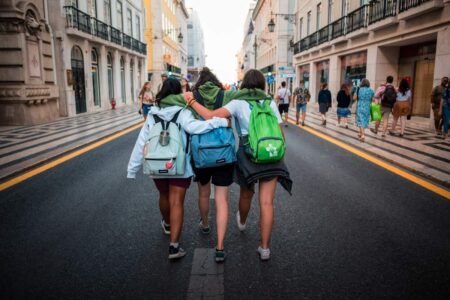
A new Youth Experience Scheme will ‘restore opportunities for young people’, allowing those aged 18 to 31 to live, work, study, and travel in Europe for up to three years. There will be no need for a job offer, and no language or salary requirements.
The reciprocal scheme will help bring Europe’s best and brightest young talent to our world-class universities, strengthening cultural and economic ties and increasing UK GDP by up to 0.2%.
The scheme will be capped, time-limited and visa-based, with no access to benefits and no right to bring dependants.
On immigration, the UK and EU will establish a new Structured Dialogue on migration, taking a whole-of-route approach. It will cover action against irregular migration and smuggling networks as well as the management of our borders.
The UK and EU today also agreed to work closely together under the Channel Action Plan. That means joining forces to stop people smuggling and human trafficking, breaking up the criminal networks behind them, stopping people from abusing legal routes to come here, and working more closely with countries along the routes migrants take.
On security, the UK and EU committed to a new shared ambition across peace, security, and defence, recognising the exceptional breadth and depth of our partnership. Both sides committed to consult more regularly, connect their capabilities more effectively and coordinate rapidly in response to serious security challenges.
On Ukraine, the UK and EU will:
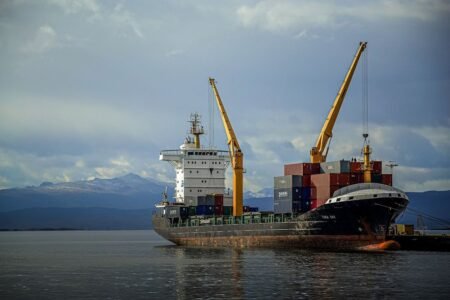
- Crack down on Russia’s “shadow fleet” – the ships it uses to get around sanctions – by sharing intelligence and taking joint action and do more to protect vital infrastructure at sea.
- Work together to defend against cyber attacks and other hostile activity aimed at destabilising our countries – including through joint exercises and by making those responsible pay a price – and keep tackling disinformation from hostile states.
- Start new talks on protecting our democracies, including keeping elections free and fair, and look at new ways to work together on cyber security.