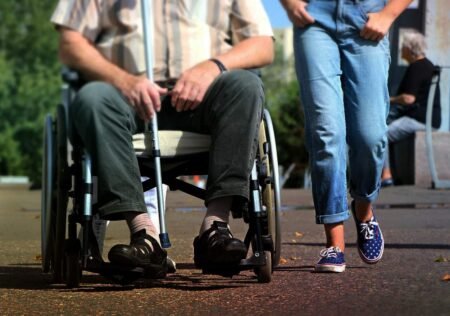
Social tourism proves that economic and employment opportunities, key goals within the Lisbon strategy, can indeed be generated by increasing tourism accessibility for additional strata of the European population. By facilitating tourism access in European Destinations for society groups for which going on holiday represents a difficult or even impossible undertaking, social tourism strengthens the tourism industry’s revenue generation potential. Social tourism encourages the creation of longer-lasting employment opportunities in the tourism sector by making it possible to extend such jobs beyond the respective peak season.
Advertisement
Calypso Preparatory Action
Rationale of the CALYPSO preparatory action
In 2009, a preparatory action on social tourism in Europe was launched under the name CALYPSO, which has a one million euro (EUR 1,000,000) budget allocated for 2009 and is intended to run for at least three years. Financing for the following years will need to be re-confirmed with the budgetary authority.
Implementing this project would be a genuine opportunity to promote partnerships, spurred on by the European Commission, between the social partners as well as the public and private sectors. Regional exchange programmes (such as Interreg, co-financed by the ERDF fund) are indeed indicative of the propensity of encouraging regional and cross-border cooperation. Within this context, CALYPSO is intended as a tool in extending existing regional good practices to other European territories whilst ensuring accessibility, through tourism exchanges, to different target groups in order to encompass additional strata of the European population.
During this first year of the preparatory action, the main objectives are to:
- catalogue the main (most representative) good practices as a means to encourage tourism activity particularly during the off peak season, thus generating employment opportunities when tourism demand is traditionally low;
- identify the existing measures at European and national level allowing the exchanges of persons from the following target groups: senior citizens, young people, disabled citizens and families facing difficult social circumstances;
- examine the difficulties related to such exchanges whilst proposing the most appropriate solutions;
- propose one or several mechanisms in the tourist low season enabling particular target groups (senior citizens, young people, disabled citizens and families facing difficult social circumstances) to go on holiday in other Member States/Candidate Countries on the basis of themed programmes and accommodation offers coordinated by Member States/Candidate Countries authorities (national, regional or local public authorities), on the basis of initiatives from stakeholders that include municipalities, charitable organisations, parishes, unions, social partners, cooperatives or any not-for-profit association.
Reaching such objectives would contribute to:
- generate economic activity and growth across Europe (by facilitating the development of European tourism programmes for target groups)
- improve tourism seasonality patterns across Europe, particularly through the social policy function of tourism (tourism growth patterns; encouraging economic activity by target groups during the low season as a means to reduce unemployment risks for tourism personnel; mitigating pressures on the physical infrastructure of developed destinations by promoting tourism outside the peak months; assist in the development of small emerging destinations in the context of regional development)
- create more and better jobs in the tourism sector (respect for tourism sustainability challenges; strengthening full-time employment prospects as opposed to seasonal part-time work; improving employment conditions by stressing the importance of a qualitative work environment throughout the entire tourism supply chain)
- increase the European citizenship (providing tangible opportunities to improve mobility, self-fulfilment, socialising and active learning for families, youths and seniors)
Participants must be nationals of EU Member States and Candidate Countries and must belong to one of the following categories of target groups:
a) over 65 years of age or pensioners / early retired citizens that receive pension benefits;
b) all youths aged between 18 and 30 years;
c) disabled adult citizens, together with one accompanying person (if needed);
d) families (children, parents and/or grandparents) certified by their country’s coordinating authority as facing difficult social (financial, personal and/or disability) circumstances.
Source: European Commission