The European Commission has issued guidance to the EU transport and tourism sector amid ongoing fuel supply disruptions and the closure of some air and shipping routes linked to the Middle East crisis.
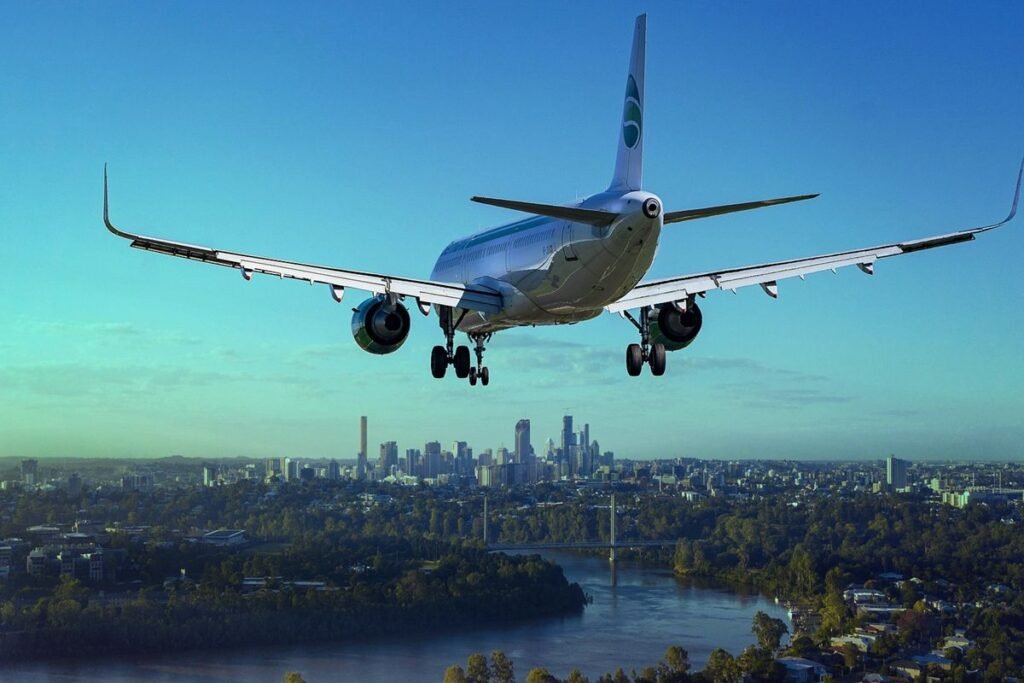
The guidance focuses on aviation, addressing in particular the impact of potential jet fuel scarcity should the conflict continue. The European Union Aviation Safety Agency (EASA) has also issued a Safety Information Bulletin to inform aviation and fuel supply stakeholders about the safe usage of Jet A aviation fuel in Europe.
Specifically, the guidance clarifies existing EU rules on fuel uplift obligations, fuel surcharges, airport slots, public service obligations, and air passenger rights.
The Commission stresses that passengers affected by cancellations continue to benefit from air passenger rights. They are entitled to reimbursement, re-routing, or return, assistance at the airport and compensation for last-minute cancellations. Airlines may only be exempt from paying financial compensation if they can prove that the cancellation was caused by extraordinary circumstances, such as a local fuel shortage. The Commission considers that high fuel prices should not be considered as constituting extraordinary circumstance.
To ensure transparent pricing of air fares, the Air Services Regulation requires airlines to display final ticket prices upfront. This is to ensure that passengers are not faced with unexpected costs. Therefore, charging additional fees retroactively such as fuel surcharges is not allowed. For holiday packages, the Package Travel Directive may allow organisers to increase the price retroactively, if stated in the contract and only under specific circumstances.
To help avoid the closure of certain routes, airlines can be exempted from the 90% fuel uplift rule under the ReFuelEU Aviation. This applies where safety rules require carrying extra fuel from the departure airport, which could otherwise prevent the airline from undertaking its next flight if fuel is insufficiently available at the destination EU airport. On airport slots, airlines may be exempt from the usual landing and take-off slot obligations due to fuel supply issues at airports. When applying the ‘justified non-use of slots’ under the Slot Regulation, airlines are not penalised for not using their allocated slots.