Close Menu
    Latest Category
    • Finance
    • Tech
    • EU Law
    • Energy
    • About
    • Contact
    EUbusiness.com | EU news, business and politicsEUbusiness.com | EU news, business and politics
    Login
    • EU News
    • Focus
    • Guides
    • Press
    • Jobs
    • Events
    • Directory
    EUbusiness.com | EU news, business and politicsEUbusiness.com | EU news, business and politics
    Home » Brussels moves to end seasonal clock changes in Europe

    Brussels moves to end seasonal clock changes in Europe

    npsnps12 September 2018
    — Filed under: Agriculture EU News Headline2 Living & Working in EU
    Share
    Facebook Twitter LinkedIn Pinterest Email
    Brussels moves to end seasonal clock changes in Europe

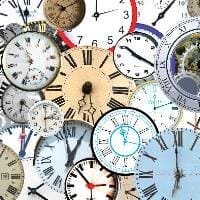
    Clocks

    (STRASBOURG) – The EU Commission proposed Wednesday to end seasonal clock changes in Europe in 2019, with Member States free to decide once and for all whether they want to permanently apply summer- or wintertime.

    The Commission’s proposal:

    • puts an end to seasonal clock changes for the entire European Union;
    • sets out a clear and short timetable for the changes to take effect;
    • encourages consultation at national and European levels, to ensure a coordinated approach among Member States.

    How and when would these changes become effective?

    The European Commission’s proposal will now go to the European Parliament and the Council for their agreement.

    To allow for a smooth transition, under the Commission’s proposal each Member State would notify by April 2019 whether it intends to apply permanent summer- or wintertime. The last mandatory change to summertime would take place on Sunday 31 March 2019. After this, the Member States wishing to permanently switch back to wintertime would still be able to make one last seasonal clock change on Sunday 27 October 2019. Following that date, seasonal clock changes would no longer be possible.

    This timeline is conditional on the European Parliament and the Council adopting the Commission’s proposal by March 2019 at the latest.

    Why is the Commission proposing this change?

    European countries introduced summertime arrangements in the last century to save energy, particularly in times of war or during the oil crisis of the 1970s. Starting in 1980, the European Union gradually adopted legislation putting an end to the diverging schedules of the national clock changes. In 2018 however, the purpose of clock changes has become much less relevant, with studies suggesting that energy savings are now marginal and citizens increasingly complaining about negative health impacts.

    Clock changes have indeed been increasingly questioned by citizens, by the European Parliament and by a growing number of Member States. Building upon the request of the European Parliament, and as part of an assessment of the current arrangements, the Commission held a public consultation in summer 2018 which received 4.6 million responses, the highest number ever received in any public consultation organised by the European Commission. 84% of respondents were in favour of ending seasonal clock changes.

    In light of these elements, the Commission concluded that there is no point for Brussels to keep regulating seasonal time changes and that Member States should be free to decide whether they want to be in summertime or wintertime and handle the matter at national level, in accordance with the principle of subsidiarity.

    Website on the State of the European Union 2018

    Subpage on Seasonal Clock Changes

    Commission proposal to put an end to seasonal clock changes - background guide

    Add A Comment
    Leave A Reply Cancel Reply

    You must be logged in to post a comment.

    nps
    • Website

    Related Content

    Image Medart Clinic

    Losing Hair? How to Work Out the Cause Before You Consider a Transplant

    New European Bauhaus - La Marjal Floodable Urban Park. Alicante

    EU awards 2026 New European Bauhaus prizes for sustainable and inclusive projects

    European Central Bank governing council meeting - Photo © European Central Bank 2026

    ECB faces tough decision in October as equities begin to wilt under high interest rates

    Nature butterfly - Image by Day from Pixabay

    WWF urges EU to maintain its nature ambitions at biodiversity COP and at home

    Sponsor: WWF14 October 2026
    Law standards regulations - Image by Pixabay

    Less burden, better investment: SMEunited’s message to EU leaders

    Sponsor: SMEunited14 October 2026
    E-waste - Image by Thomas from Pixabay

    12.3 kg of e-waste per person collected in EU

    LATEST EU NEWS
    New European Bauhaus - La Marjal Floodable Urban Park. Alicante

    EU awards 2026 New European Bauhaus prizes for sustainable and inclusive projects

    16 October 2026
    European Central Bank governing council meeting - Photo © European Central Bank 2026

    ECB faces tough decision in October as equities begin to wilt under high interest rates

    15 October 2026
    E-waste - Image by Thomas from Pixabay

    12.3 kg of e-waste per person collected in EU

    14 October 2026
    Military helicopter - Photo by Dominik Gryzbon on Pexels

    EU disburses €2.86 bn to Ukraine for drones, missiles and urgent battlefield needs

    14 October 2026
    AI artificial intelligence chatbot - Image by Tim Witzdam from Pexels

    42 per cent of smaller European companies use AI

    14 October 2026

    Subscribe to EUbusiness Week

    Get the latest EU news

    CONTACT INFO

    • EUbusiness, 117 High Street, Chesham Buckinghamshire, HP5 1DE, United Kingdom
    • +44(0)20 8058 8232
    • service@eubusiness.com

    INFORMATION

    • About Us
    • Advertising
    • Contact Info

    Services

    • Cookie Policy
    • Terms
    • Disclaimer

    SOCIAL MEDIA

    Facebook
    eubusiness.com © EUbusiness Ltd 2026

    Type above and press Enter to search. Press Esc to cancel.

    Sign In or Register

    Welcome Back!

    Login to your account below.

    Lost password?