After several decades of largely unhindered growth in the UK and reaping enormous revenues in the unregulated markets across the EU, 2020 has shaped up to be a challenging year for the online gambling industry.
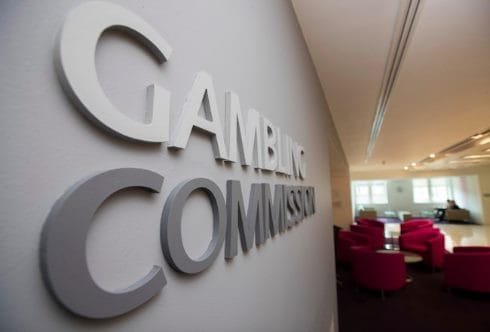
A new Gambling Act in the UK seems likely after much talk about an epidemic of problem gambling in society, whilst in Sweden an already tough market is going through further regulation, and in Germany the new regulated market will place strict limits on spend that many fear will push most established gambling businesses out of the territory.
At the start of this year already operators in Europe had been looking anxiously at the potential impact of these changes on their revenues. And then the COVID 19 pandemic struck putting an end to sporting life for several months. These are unprecedented times for betting firms and the threats posed by tough regulation have already had an impact on share prices. Here we take a brief look at the main EU territories and expected changes to the laws.
United Kingdom
The UK represents one of the most profitable online gambling markets in the world. Legislation introduced through the Gambling Acts of 2005 and 2014 created an open playing field for operators to set up shop, advertise and take bets pretty much unhindered for over a decade. Gross Gaming Yield in the country now exceeds £14 billion annually and there are thousands of online sportsbooks, regulated casinos and slot sites available for punters who want to try their luck. Advertising across social media, TV and online is prolific too with vast sums spent each year.
In the past five years stories about problem gambling have appeared more frequently in the news and a group of MPs is now calling for a new Gambling Act which would be updated for the digital age and do more to protect vulnerable customers. A parliamentary committee investigating the social impact of gambling is reporting back this June on its finding and the likely outcome will be a set of regulations that will squeeze the industry.
These include a new £2 stake limit to be applied to online slots. The current limit enjoyed by many of the biggest spenders is £100. Industry leaders say this alone will have a considerable impact on revenues. There may also be restrictions on how much a player can deposit each week, and an end to controversial VIP programs which reward the biggest spenders with exclusive bonuses, personal account managers and tickets to hospitality events.
The new gambling act may also put restrictions on when, where and how an operator can advertise their brands online and on TV. Critics of the industry want to reduce the population’s exposure to betting ads and the ‘normalisation’ of gambling.
Germany
In March 2020 lawmakers in Berlin agreed new regulations starting in July 2021 to legalise online casinos and poker. Online sports betting is already legal. The new regulated market will however come with strict limitations on how a punter can bet. Most important of all will be the stipulation that online slots will only be playable from ?1 per spin, with no jackpots and no auto spin function. Slots will not be offered as a side bet during table game play either.
A deposit limit of ?1,000 per month will be in place, and advertising will be restricted to between the hours of 9pm and 6am.
Sweden
Sweden is the home of many online gambling operators and software providers. Big names in online slots development who hail from Sweden include NetEnt and Play n Go. But that has not stopped the Swedish government from tightening regulation further since it began issuing licenses in 2018-19. Following the COVID 19 outbreak and fears that problem gambling would get worse as people are locked at home with nothing to do, new temporary measure have been introduced until the end of the year.
Deposit limits are now set at 5,000 SEK per week (around £400). In addition, a limit of 100 SEK (around £8) in bonus money per player has been introduced, and punters are required to set a limit on their own playing times.
In each of these countries the industry is speaking out against the new regulation. They say that it will simply push punters to gamble on unregulated sites where there is no support for problem gamblers and no taxes are collected. It is more likely that betting firms are worried about the impact on their own revenues, and there can be no question that tight restrictions on customer spend pose a very real threat to the long-term future of the industry. This year many are now looking to the new frontier of legalised gambling in the States as a way to offset losses in the EU where it is likely that the industry will look very different in 10 years- time.