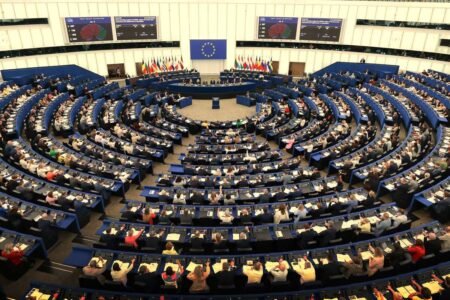
We’re all aware of the outcome of the historic EU referendum, but what you might not know is the continuing effects of the Brexit result and the challenges that small businesses have gone on to face as a result.

The construction sector in particular has suffered, resulting in a slow start to the year. Even the Mayor’s Office raised concerns about the detrimental effect on housing and planned developments in central London following Brexit.
Here are some of the concerns faced by UK construction companies and how Brexit may have a huge effect the industry:
Losing EU Migrant Workers
The UK construction industry could lose around 8% of their workforce, amounting to around 175,00 workers, if the country does not retain access to the European single market following Brexit. This may put big construction projects at risk as the number of skilled workers in the UK is not high enough to maintain the industry and help it stay competitive on a global stage.
In fact, a quarterly survey held at the end of 2016 revealed that 30% of construction professionals said that hiring workers from outside of the UK was vital to their business’s success. This shows that the industry is currently heavily dependent on thousands of EU workers (a figure estimated at around 176,500) and could be put to a standstill without access to non-UK workers.
Rising Cost of Materials
The construction industry has slowly been recovering ground since the financial crisis and they are likely to face further challenges with the Brexit process triggered and budget changes announced.
There are already signs of this happening, with the rising cost of building materials following the EU referendum. In fact, it’s predicted that the construction industry may have to fork out an additional half a billion pounds this year on materials alone.
Figures from the Office for National Statistics revealed that the net cost of imported construction materials from the EU increased by over 15% last year. And sure enough, 7 out of 10 small building firms have already experienced higher costs due to the weakened pound.
Cost of Imports
The majority of materials and products used in UK construction do not require to be imported, but of the remainder, 61% comes from the EU. Currently, the business model for imported products like timber and cladding has developed around barrier-free access and it is common practice to not hold stores of building materials. However following Brexit, it’s likely that products will be stopped and checked when leaving the EU and drivers will have their visas and work permits examined.
This, of course, means that the business model will have to adapt and it remains to be seen if businesses will have to shoulder any extra costs as a result. Tradesmen may turn to online retailers, like Insulation Giant, to find more competitive deals on building materials like cladding and insulation.
What Does This Mean for UK’s Construction Industry?
With a potential shortage of workers and rising import costs, construction businesses are facing many challenges following Brexit, along with a competitive trading environment.
It’s important to note that the UK’s withdrawal from the EU doesn’t necessarily mean that all ties will be broken and it is likely that a trade agreement will be reached between them. Also, one of the positive outcomes of Brexit may be that the UK will be able to negotiate its own trade agreements with other large importing countries like the USA and China, which could be beneficial to the country’s economy.
Overall, with so much still uncertain for the construction industry, it’s difficult to predict what the future might hold following Brexit. They may have taken an initial hit with rising prices, but this may change once negotiations get into full swing.