By using renewable biological resources and alternatives to critical raw materials, the EU Commission hopes its new bioeconomy strategy will chart a route to a more decarbonised economy with less dependence on fossil imports.

Bioeconomy includes biomass production, biomass conversion into food, materials and products, and bioenergy. Bioeconomy is seen as essential for the EU to reach its climate and energy goals by 2030 and climate neutrality by 2050.
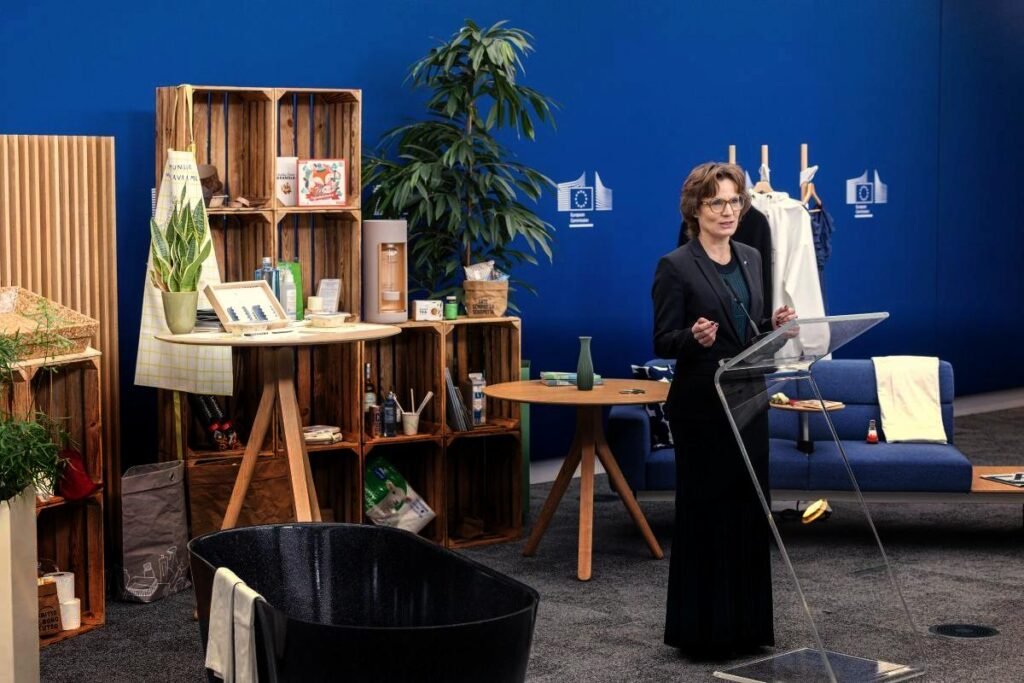
“The bioeconomy offers huge potential to scale up – from the products we use every day, to the homes we live in, to large industrial applications,” said Environment Commissioner Jessika Roswall: “This is a growth strategy that will increase our resilience and competitiveness, and at the same time ensure that nature and healthy ecosystems remain the backbone of our economy. It will create local jobs, replace fossil resources, and protect the nature we all rely on. Our vision is clear: a future where Europe runs on nature, innovation and circular solutions rooted in a competitive and sustainable bioeconomy.”
With the new Strategic Framework for a Competitive and Sustainable EU Bioeconomy the EU says it will support activities that provide sustainable practical solutions using our biological resources in sectors such as agriculture, forestry, fisheries, aquaculture, biomass processing, biomanufacturing and biotechnologies. It will harness the vast potential of these resources, scientific excellence and industrial base, and encourages innovations that benefit the climate, nature and society.
With a value of up to €2.7 trillion in 2023 and employing 17.1 million people (around 8% of EU jobs), the EU bioeconomy is already contributing significantly to job creation and economic growth in Europe. Every job in the bioeconomy creates three indirect jobs in the EU. Examples of products are bio-based chemicals made from algae that are used to produce pharmaceuticals, personal care products and industrial applications. Bio-based plastics are increasingly used in packaging and automotive parts. Also bio-based construction productions, textile fibres and fertilisers are increasingly in demand. However, it still has a huge untapped potential.
The EU Bioeconomy Strategy aims to unlock this potential by scaling up innovation and investments, developing lead markets for bio-based materials and technologies, ensuring a sustainable supply of biomass, and harnessing global opportunities.
Strategic Framework for a Competitive and Sustainable EU Bioeconomy
Bioeconomy Strategy – Environment – European Commission
The facts about the bioeconomy – European Commission
5 things you need to know about the bioeconomy – Environment