The European Commission has adopted new measures under the EU’s Ecodesign for Sustainable Products Regulation to prevent the destruction of unsold apparel, clothing accessories and footwear.

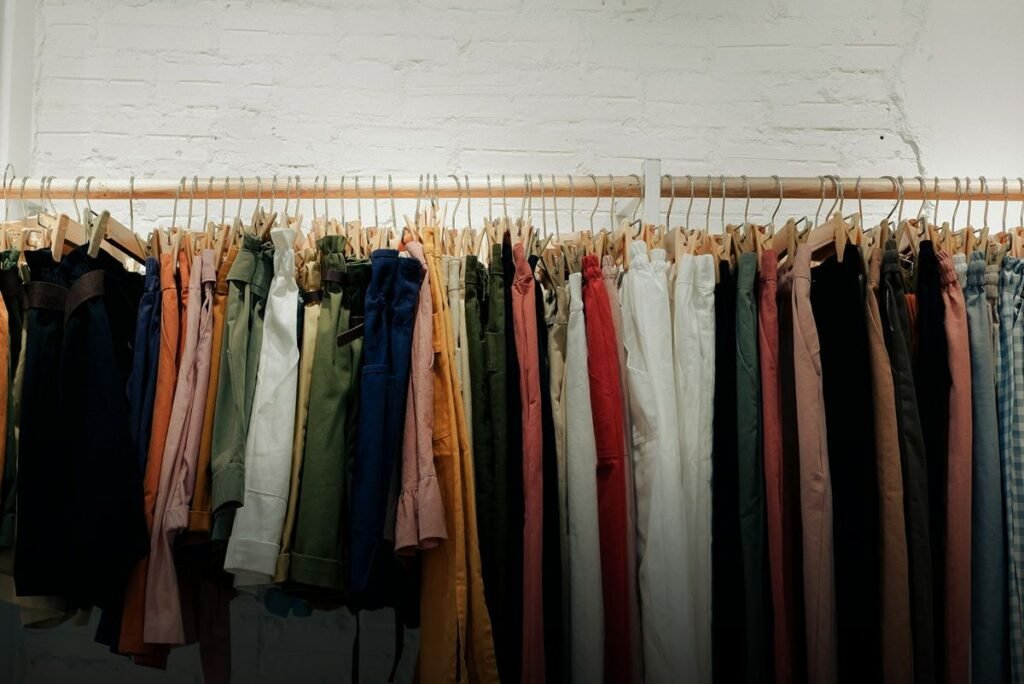
By promoting reuse and recycling, the measures are aimed at helping to cut waste, reduce environmental damage and create a level playing field for companies.
The new measures will support businesses in complying with the requirements regarding the destruction of unsold textiles under the ESPR, says the Commission. They clarify under what circumstances the destruction will be permitted – for instance, due to safety reasons or product damage. They also introduce a standardised format for businesses to disclose the volumes of unsold consumer goods they discard, in the simplest possible way without adding extra administrative burden.
An estimated 4-9 per cent of unsold textiles are destroyed every year in Europe before ever being worn. This waste generates around 5.6 million tonnes of CO2 emissions – almost equal to Sweden’s total net emissions in 2021.
The ESPR, which entered into force in July 2024, aims to significantly improve the sustainability of products placed on the EU market by improving their circularity, energy performance, recyclability and durability. It requires companies to disclose information on the unsold consumer products they discard as waste. It also introduces a ban on the destruction of unsold apparel, clothing accessories and footwear. This responds to consumers’ growing concerns about textile waste due to the environmental and social impacts of fast fashion.
The ban on destruction will apply to large companies from 19 July 2026 and medium-sized companies are expected to follow in July 2030. The rules on disclosure under ESPR already apply to large companies and will also apply to medium-sized companies in 2030.
Ecodesign for Sustainable Products Regulation | European Commission