Close Menu
    Latest Category
    • Finance
    • Tech
    • EU Law
    • Energy
    • About
    • Contact
    EUbusiness.com | EU news, business and politicsEUbusiness.com | EU news, business and politics
    Login
    • EU News
    • Focus
    • Guides
    • Press
    • Jobs
    • Events
    • Directory
    EUbusiness.com | EU news, business and politicsEUbusiness.com | EU news, business and politics
    Home » EU adopts stringent residue limits for pesticides to protect pollinators

    EU adopts stringent residue limits for pesticides to protect pollinators

    npsBy nps8 February 2023 Chemicals No Comments2 Mins Read
    — Filed under: Agriculture Environment EU News Food & Drink Headline2 Health
    Share
    Facebook Twitter LinkedIn Pinterest Email
    EU adopts stringent residue limits for pesticides to protect pollinators

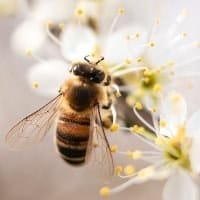
    Bee – Photo Pexels

    (BRUSSELS) – The EU continued its battle to address pollinator decline Thursday with new rules on pesticides which will, once applicable, lower the maximum residues levels (MRLs) of two pesticides in food.

    Assessments by the European Food Safety Authority (EFSA) have shown that the two chemicals, belonging to the group of neonicotinoid pesticides, clothianidin and thiamethoxam, pose a high risk to bees and contribute to the global decline of pollinators. For this reason, their outdoor use has already been banned in the EU in 2018.

    The new rules will lower existing MRLs for these substances to the lowest level that can be measured with the latest technologies. They will apply to all products produced in the EU, but also to imported food and feed products.

    “Today’s actions, also affecting imported food, build on our decision in 2018 to ban outdoor use for these two neonicotinoids within the EU, as for the first time, pesticide maximum residue levels will be lowered to address pollinator decline and protect our environment,” said Commissioner for Health & Food Safety Stella Kyriakides: “We remain steadfast in our commitment in the Farm to Fork strategy’s ambitions of moving towards sustainable food systems and protecting pollinators”.

    The Regulation puts into practice EU goals, announced in the Green Deal and Farm to Fork Strategy, to take into account environmental aspects when assessing requests for import tolerances for pesticide substances no longer approved in the EU, while respecting WTO standards and obligations. The measures will apply to imported products as of 2026. This will give time for third countries to comply with the new rules.

    Information on neonicotinoids.

    Maximum Residues Levels (MRLs)


    Add A Comment
    Leave A Reply Cancel Reply

    You must be logged in to post a comment.

    nps
    • Website

    Related Content

    Chemical industry - AI-generated - Image by Vilius Kukanauskas from Pixabay

    Brussels announces launch of Critical Chemicals Alliance

    Firefighters - Photo by damian Ruitenga on Pexels

    Brussels restricts use of ‘forever chemicals’ in firefighting foams

    Cefic

    EU Policy and Advocacy Advisor, European Chemical Industry Council, Cefic

    Welding - Photo by Pavel Chernonogov on Pexels

    New EU chemical exposure limits to improve workers’ protection

    Chemical production nature clouds - Image by andreas N from Pixabay

    EU to set up Critical Chemical Alliance

    EFCC logo

    Sustainability & Chemicals Policy Manager, European Federation for Construction Chemicals, EFCC

    LATEST EU NEWS
    Supercomputing - Leonardo - Photo © European Union 2025

    EU Council paves way for the creation of AI gigafactories

    18 January 2026
    Oil tanker - Image by Erich Westendarp from Pixabay

    New EU mechanism to lower price cap for Russian crude oil to $44,10 per barrel

    15 January 2026
    Robot doctor - Image by Thomas Meier from Pixabay

    EU launches EUR 307m artificial intelligence and related technologies calls

    15 January 2026
    Valdis Dombrovskis - Photo © European Union 2026

    Brussels presents 2026–2027 financial support package for Ukraine

    14 January 2026
    Renewable energy - Image by Maria Maltseva from Pixabay

    Nearly 50pct EU electricity came from renewables in 2024

    14 January 2026

    Subscribe to EUbusiness Week

    Get the latest EU news

    CONTACT INFO

    • EUbusiness, 117 High Street, Chesham Buckinghamshire, HP5 1DE, United Kingdom
    • +44(0)20 8058 8232
    • service@eubusiness.com

    INFORMATION

    • About Us
    • Advertising
    • Contact Info

    Services

    • Privacy Policy
    • Terms
    • EU News

    SOCIAL MEDIA

    Facebook
    eubusiness.com © EUbusiness Ltd 2026

    Type above and press Enter to search. Press Esc to cancel.

    Sign In or Register

    Welcome Back!

    Login to your account below.

    Lost password?