Close Menu
    Latest Category
    • Finance
    • Tech
    • EU Law
    • Energy
    • About
    • Contact
    EUbusiness.com | EU news, business and politicsEUbusiness.com | EU news, business and politics
    Login
    • EU News
    • Focus
    • Guides
    • Press
    • Jobs
    • Events
    • Directory
    EUbusiness.com | EU news, business and politicsEUbusiness.com | EU news, business and politics
    Home » MEPs call for EU rules on textile imports to curb worker exploitation

    MEPs call for EU rules on textile imports to curb worker exploitation

    npsnps27 April 2017Updated:25 June 2024
    — Filed under: Asia employment EU News European Parliament Headline2 Trade
    Share
    Facebook Twitter LinkedIn Pinterest Email
    MEPs call for EU rules on textile imports to curb worker exploitation

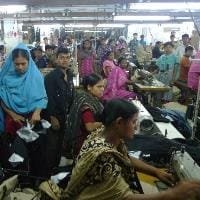
    Textile workers, Bangladesh – Photo by NaZemi

    (BRUSSELS) – EU rules are needed to force textile and clothing suppliers to respect the rights of workers around the world, who often suffer long working hours, low wages and hazardous conditions,’ MEPs said on Thursday.

    Textile workers, often young women and children in Asian countries, can also suffer uncertainty and violence. These practices also harm the EU industry, as they result in social dumping, MEPs note in a non-binding resolution.

    In an effort to push the initiative which is aimed at preventing tragedies like the April 2013 Rana Plaza factory collapse in Bangladesh, MEPs suggest a series of measures:

    • due diligence obligations: the EU Commission should table a binding legislative proposal for a due diligence system, based on OECD guidelines and similar to those for the so-called blood minerals, that covers the whole supply chain,
    • conditional trade preferences: the EU should ensure that textile exporting countries with preferential access to the EU market comply with obligations and produce sustainable textiles, while member states should promote workers’ rights in their relations with partner countries,
    • clothing labels: making the “social impact of production” visible on clothes can help to bring about lasting change, and
    • role models: EU institutions should set a good example in their public procurement of textiles.

    “We cannot turn a blind eye, if our clothes are made at the cost of vast human suffering,” said the Parliament’s rapporteur Lola Sanchez Caldentey MEP: “Only binding rules could guarantee that products sold on European markets do not violate the dignity and the rights of millions of workers.”

    According to the World Trade Organisation, more than 70% of EU textiles and clothing imports come from Asia, with China, Bangladesh, India, Vietnam, Cambodia and Indonesia as the largest producers. Most buyers are global brands looking for low prices and tight production timeframes and the consequences usually fall upon factory workers.

    Following the Rana Plaza tragedy, in which over 1,100 people died when a factory building collapsed in Dhaka, Bangladesh, the Commission said it would bring forward an EU wide flagship initiative.

    Further information, European Parliament

    Adopted text (2016/2140(INI)) will soon be available here (27.04.2017)

    Procedure file

    Add A Comment
    Leave A Reply Cancel Reply

    You must be logged in to post a comment.

    nps
    • Website

    Related Content

    Meat shop - Photo by Ryan Ladd on Unsplash

    EU moves to protect meat terms from vegetarian takeover

    Image by der_niels from Pixabay

    EuroCommerce on UTP cross-border enforcement regulation: common sense prevailed

    Sponsor: EuroCommerce5 March 2026
    EUSPA logo

    Facility Specialist, European Union Agency for the Space Programme, EUSPA

    Michael McGrath - Photo © European Union 2026

    Cosmetics the most dangerous products on EU market

    Global warming - Image by Tumisu from Pixabay

    Final green light for amended EU climate law

    Legal Adviser – Legal & Executive Affairs, EFTA Surveillance Authority, ESA

    LATEST EU NEWS
    Meat shop - Photo by Ryan Ladd on Unsplash

    EU moves to protect meat terms from vegetarian takeover

    6 March 2026
    Michael McGrath - Photo © European Union 2026

    Cosmetics the most dangerous products on EU market

    5 March 2026
    Global warming - Image by Tumisu from Pixabay

    Final green light for amended EU climate law

    5 March 2026
    Hamburg shipyard - Image by Manne1953 from Pixabay

    EU adopts maritime strategy for ports, shipping and shipbuilding

    4 March 2026
    Stéphane Séjourné - Photo © European Union 2026

    EU boost for manufacturing with clean products ‘made in Europe’

    4 March 2026

    Subscribe to EUbusiness Week

    Get the latest EU news

    CONTACT INFO

    • EUbusiness, 117 High Street, Chesham Buckinghamshire, HP5 1DE, United Kingdom
    • +44(0)20 8058 8232
    • service@eubusiness.com

    INFORMATION

    • About Us
    • Advertising
    • Contact Info

    Services

    • Privacy Policy
    • Terms
    • EU News

    SOCIAL MEDIA

    Facebook
    eubusiness.com © EUbusiness Ltd 2026

    Type above and press Enter to search. Press Esc to cancel.

    Sign In or Register

    Welcome Back!

    Login to your account below.

    Lost password?