As Europe’s logistics sector continues to expand, innovative solutions are needed to meet the growing demands. Fabric structures have emerged as a key player in this transformation, offering flexibility and cost-effectiveness. Their quick deployment makes them an attractive choice for logistics operations across the continent.
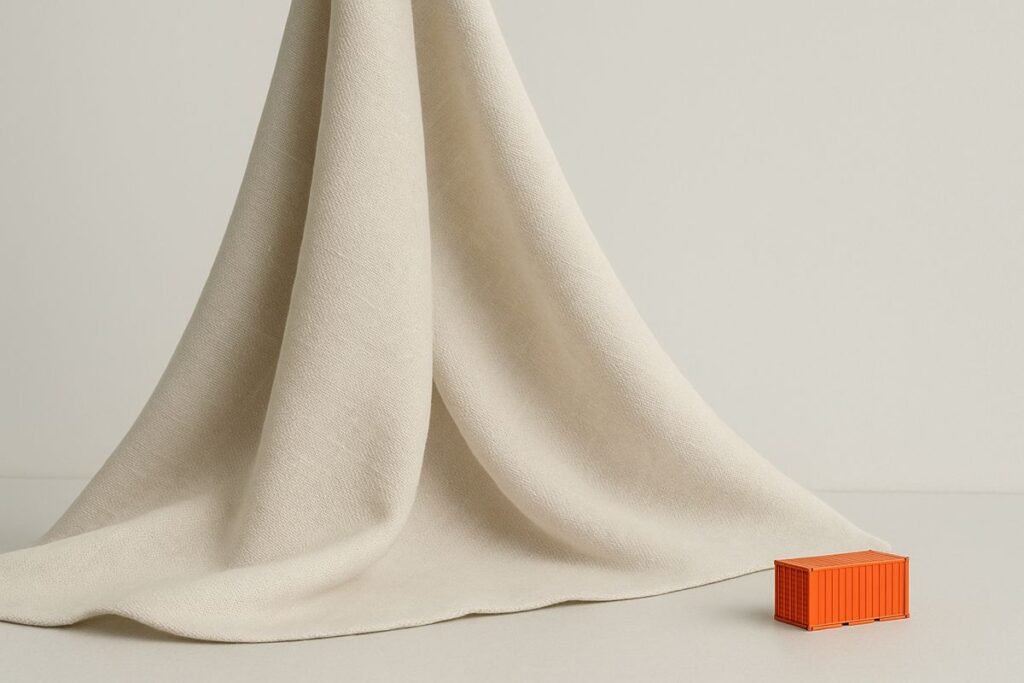
Europe’s logistics industry is experiencing a surge in demand, driven by increased consumer expectations and the rapid growth of e-commerce. Traditional infrastructure often struggles to keep pace with these demands, prompting a search for more efficient solutions. Buy a heavy duty canopy have come to the forefront, providing a versatile alternative that meets both logistical needs and sustainability goals. These structures offer a unique combination of adaptability and environmental benefits, positioning themselves as a viable solution for modern logistics challenges. As businesses seek efficient ways to expand their operations, fabric structures offer an innovative approach that aligns with current market trends.
Advantages of fabric structures in logistics
Fabric structures offer several advantages that make them ideal for logistics applications. One of their most significant benefits is flexibility; they can be easily reconfigured or relocated to accommodate changing operational needs. This adaptability is particularly valuable in dynamic environments where storage requirements can fluctuate. The ability to quickly deploy these structures allows businesses to respond swiftly to market changes, maintaining efficiency and competitiveness.
Additionally, fabric structures are cost-effective compared to traditional buildings. Their lower construction costs and reduced maintenance expenses make them an attractive option for companies looking to optimize their budgets. These structures are also designed for rapid assembly, minimizing downtime and enabling businesses to scale operations without lengthy delays. Their use in warehouses and distribution centers across Europe highlights their practicality and appeal in the logistics industry.
Integrating fabric structures into logistics operations
The integration of fabric structures into Europe’s logistics landscape is gaining momentum. These structures are increasingly being used to enhance existing facilities or establish new ones in strategic locations. For example, they provide temporary warehousing solutions during peak seasons or facilitate quick expansions in response to market demands. This strategic use of space enables businesses to optimize their logistical processes efficiently.
Examples of successful implementations demonstrate the tangible benefits of fabric structures in the logistics sector. Companies have reported improved operational efficiencies and cost savings after adopting these innovative solutions. By leveraging fabric structures, businesses can better manage supply chain complexities, ensuring timely deliveries and satisfied customers.
Sustainability contributions of fabric structures
Fabric structures align with Europe’s commitment to sustainability by reducing environmental impact. Their lightweight materials contribute to lower energy consumption during production and transport, enhancing their eco-friendly profile. Furthermore, these structures are often designed with recyclable materials, promoting a circular economy within the logistics industry.
Their role in promoting energy efficiency is another significant advantage. Fabric structures can incorporate energy-efficient features such as natural lighting and temperature control systems, reducing reliance on artificial resources. By minimizing waste and optimizing resource use, these structures support Europe’s broader sustainability goals while delivering functional benefits for logistics operations.
Future potential of fabric structures
The future of fabric structures within Europe’s logistics sector looks promising as technological advancements continue to enhance their capabilities. Innovations in material science may lead to even more durable and sustainable fabrics, increasing their appeal across various industries. As you consider ways to improve your logistic operations, exploring these developments could offer new opportunities for growth.
For businesses operating within the European market, the implications of these trends are significant. By staying informed about advancements in fabric structure technology, companies can remain competitive and responsive to changing market demands. Embracing this innovative solution could pave the way for more efficient and sustainable logistic practices throughout Europe.