Close Menu
    Latest Category
    • Finance
    • Tech
    • EU Law
    • Energy
    • About
    • Contact
    EUbusiness.com | EU news, business and politicsEUbusiness.com | EU news, business and politics
    Login
    • EU News
    • Focus
    • Guides
    • Press
    • Jobs
    • Events
    • Directory
    EUbusiness.com | EU news, business and politicsEUbusiness.com | EU news, business and politics
    Home » Common charger for European mobile devices set for 2024

    Common charger for European mobile devices set for 2024

    npsBy nps6 October 2022 No Comments3 Mins Read
    — Filed under: Consumer Environment EU News Headline2 Telecoms
    Share
    Facebook Twitter LinkedIn Pinterest Email
    Common charger for European mobile devices set for 2024

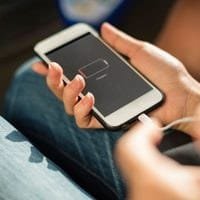
    Mobile phone charger – Image by StockSnap from Pixabay

    (STRASBOURG) – European consumers will be able to use a single charging solution for their electronic device, following the EU Parliament’s approval Tuesday of the long-awaited Radio Equipment Directive.

    By the end of 2024, all mobile phones, tablets and cameras sold in the EU will have to be equipped with a USB Type-C charging port. From spring 2026, the obligation will extend to laptops. The new law is part of a broader EU effort to reduce e-waste and to empower consumers to make more sustainable choices.

    Under the new rules, consumers will no longer need a different charger every time they purchase a new device, as they will be able to use one single charger for a whole range of small and medium-sized portable electronic devices.

    Regardless of their manufacturer, all new mobile phones, tablets, digital cameras, headphones and headsets, handheld videogame consoles and portable speakers, e-readers, keyboards, mice, portable navigation systems, earbuds and laptops that are rechargeable via a wired cable, operating with a power delivery of up to 100 Watts, will have to be equipped with a USB Type-C port.

    All devices that support fast charging will also now have the same charging speed, allowing users to charge their devices at the same speed with any compatible charger.

    As wireless charging becomes more prevalent, the European Commission will need to harmonise interoperability requirements by the end of 2024, to avoid having a negative impact on consumers and the environment. This will also get rid of the so-called technological ‘lock-in’ effect, whereby a consumer becomes dependent on a single manufacturer.

    Dedicated labels will inform consumers about the charging characteristics of new devices, making it easier for them to see whether their existing chargers are compatible. Buyers will also be able to make an informed choice about whether or not to purchase a new charging device with a new product.

    These new obligations will lead to more re-use of chargers and will help consumers save up to 250 million euro a year on unnecessary charger purchases. Disposed of and unused chargers account for about 11 000 tonnes of e-waste annually in the EU.

    The EU Council will have to formally approve the Directive before it is published in the EU Official Journal. It will enter into force 20 days after publication. Member states will then have 12 months to transpose the rules and 12 months after the transposition period ends to apply them. The new rules would not apply to products placed on the market before the date of application.

    Further information, European Parliament

    Adopted text (04.10.2022)

    Procedure file – Radio Equipment Directive: common charger for electronic devices

    Add A Comment
    Leave A Reply Cancel Reply

    You must be logged in to post a comment.

    nps
    • Website

    Related Content

    Oil tanker - Image by Erich Westendarp from Pixabay

    New EU mechanism to lower price cap for Russian crude oil to $44,10 per barrel

    Robot doctor - Image by Thomas Meier from Pixabay

    EU launches EUR 307m artificial intelligence and related technologies calls

    Farm flooded with cows - Image by Brigitte Werner from Pixabay

    Climate and nature risks threaten Europe’s financial resilience and insurability – WWF report

    Sponsor: WWF15 January 2026
    Valdis Dombrovskis - Photo © European Union 2026

    Brussels presents 2026–2027 financial support package for Ukraine

    Renewable energy - Image by Maria Maltseva from Pixabay

    Nearly 50pct EU electricity came from renewables in 2024

    Olives - Image by Marco Centenaro from Pixabay

    EU’s checks on olive oil need tightening up: auditors’ report

    LATEST EU NEWS
    Oil tanker - Image by Erich Westendarp from Pixabay

    New EU mechanism to lower price cap for Russian crude oil to $44,10 per barrel

    15 January 2026
    Robot doctor - Image by Thomas Meier from Pixabay

    EU launches EUR 307m artificial intelligence and related technologies calls

    15 January 2026
    Valdis Dombrovskis - Photo © European Union 2026

    Brussels presents 2026–2027 financial support package for Ukraine

    14 January 2026
    Renewable energy - Image by Maria Maltseva from Pixabay

    Nearly 50pct EU electricity came from renewables in 2024

    14 January 2026
    Olives - Image by Marco Centenaro from Pixabay

    EU’s checks on olive oil need tightening up: auditors’ report

    14 January 2026

    Subscribe to EUbusiness Week

    Get the latest EU news

    CONTACT INFO

    • EUbusiness, 117 High Street, Chesham Buckinghamshire, HP5 1DE, United Kingdom
    • +44(0)20 8058 8232
    • service@eubusiness.com

    INFORMATION

    • About Us
    • Advertising
    • Contact Info

    Services

    • Privacy Policy
    • Terms
    • EU News

    SOCIAL MEDIA

    Facebook
    eubusiness.com © EUbusiness Ltd 2026

    Type above and press Enter to search. Press Esc to cancel.

    Sign In or Register

    Welcome Back!

    Login to your account below.

    Lost password?