Close Menu
    Latest Category
    • Finance
    • Tech
    • EU Law
    • Energy
    • About
    • Contact
    EUbusiness.com | EU news, business and politicsEUbusiness.com | EU news, business and politics
    Login
    • EU News
    • Focus
    • Guides
    • Press
    • Jobs
    • Events
    • Directory
    EUbusiness.com | EU news, business and politicsEUbusiness.com | EU news, business and politics
    Home » MEPs set out plan to save Europe’s bees

    MEPs set out plan to save Europe’s bees

    npsBy nps2 March 2018 No Comments3 Mins Read
    — Filed under: Agriculture Environment EU News Food & Drink Headline1
    Share
    Facebook Twitter LinkedIn Pinterest Email
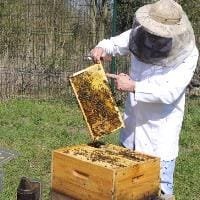
    MEPs set out plan to save Europe's bees

    Photo © European Union 2011 – EP

    (BRUSSELS) – The EU needs a long-term strategy to rebuild the bee population, the EU Parliament said Thursday calling for more investment in protecting bee health, fighting honey adulteration and supporting beekeepers.

    Parliament’s rapporteur for the draft resolution Norbert Erdos MEP said:”We must do our utmost to protect our honey and bees as 76 % of food production in Europe relies on pollination and so bees are indispensable for our food security.”

    The Parliament’s bee “survival strategy” would replace the current “misleading and therefore unacceptable label “Blend of EU and non-EU honeys” with a clear indication of countries that the honeys come from – including the percentages of different honeys used in the final product,” he added.

    In their resolution, MEPs are calling for:

    • an EU-level action plan to combat bee mortality,
    • breeding programmes to boost resilience to invasive species such as Varroa destructor, the Asian hornet or the American foulbrood,
    • more research to develop innovative bee drugs and increase their availability,
    • a ban on all pesticides with scientifically proven negative effects on bee health, including neonicotinoids, and safe alternatives for farmers, and
    • advanced warning of crop spraying periods to avoid harming bees.

    The EU should increase the budget for national beekeeping programmes by 50% and set up a specific support scheme for beekeepers in the EU’s post-2020 farming policy, MEPs said. They also suggested compensation for loss of bee colonies.

    The Parliament resolution urges EU states to do more to inform the public, and especially children, of the benefits of eating honey and the therapeutic uses of bee products.

    To halt fake honey imports, ensuring that imported honey meets high EU standards, MEPs said border inspections and single market checks should be harmonised, all imported honey tested and traceability requirements tightened. They also want the EU Commission to develop more effective laboratory testing procedures and call on member states to impose harsher penalties for offenders.

    Honey and bee products should be considered “sensitive” in trade talks with non-EU countries or be even completely excluded from negotiations, the resolution adds.

    Some 600,000 EU beekeepers produce about 250,000 tonnes of honey per year, making the EU the world’s second biggest producer after China. The biggest EU producers in 2016 were Romania, Spain and Hungary, followed by Germany, Italy and Greece.

    The EU imports about 200,000 tonnes of honey, mainly from China, Ukraine, Argentina and Mexico. Tests done by the Commission’s Joint Research Centre showed that 20% of samples taken at EU’s external borders or importers’ premises did not respect EU standards.

    Further information, European Parliament

    Adopted text will soon be available here (01.03.2018)

    Procedure file

    Add A Comment
    Leave A Reply Cancel Reply

    You must be logged in to post a comment.

    nps
    • Website

    Related Content

    Euro coins and notes - Photo by Pixabay

    Eurozone Economic Calendar

    Oil tanker - Image by Erich Westendarp from Pixabay

    New EU mechanism to lower price cap for Russian crude oil to $44,10 per barrel

    Robot doctor - Image by Thomas Meier from Pixabay

    EU launches EUR 307m artificial intelligence and related technologies calls

    Farm flooded with cows - Image by Brigitte Werner from Pixabay

    Climate and nature risks threaten Europe’s financial resilience and insurability – WWF report

    Sponsor: WWF15 January 2026
    Valdis Dombrovskis - Photo © European Union 2026

    Brussels presents 2026–2027 financial support package for Ukraine

    Renewable energy - Image by Maria Maltseva from Pixabay

    Nearly 50pct EU electricity came from renewables in 2024

    LATEST EU NEWS
    Oil tanker - Image by Erich Westendarp from Pixabay

    New EU mechanism to lower price cap for Russian crude oil to $44,10 per barrel

    15 January 2026
    Robot doctor - Image by Thomas Meier from Pixabay

    EU launches EUR 307m artificial intelligence and related technologies calls

    15 January 2026
    Valdis Dombrovskis - Photo © European Union 2026

    Brussels presents 2026–2027 financial support package for Ukraine

    14 January 2026
    Renewable energy - Image by Maria Maltseva from Pixabay

    Nearly 50pct EU electricity came from renewables in 2024

    14 January 2026
    Olives - Image by Marco Centenaro from Pixabay

    EU’s checks on olive oil need tightening up: auditors’ report

    14 January 2026

    Subscribe to EUbusiness Week

    Get the latest EU news

    CONTACT INFO

    • EUbusiness, 117 High Street, Chesham Buckinghamshire, HP5 1DE, United Kingdom
    • +44(0)20 8058 8232
    • service@eubusiness.com

    INFORMATION

    • About Us
    • Advertising
    • Contact Info

    Services

    • Privacy Policy
    • Terms
    • EU News

    SOCIAL MEDIA

    Facebook
    eubusiness.com © EUbusiness Ltd 2026

    Type above and press Enter to search. Press Esc to cancel.

    Sign In or Register

    Welcome Back!

    Login to your account below.

    Lost password?