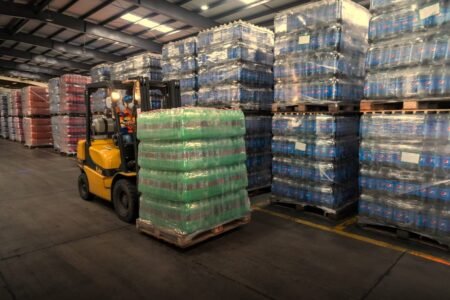
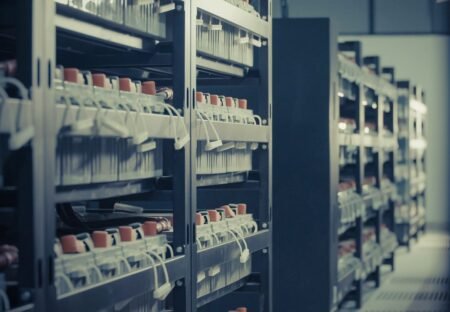
Ensuring the health and safety of your employees when working in a warehouse should be a top priority for all employers. Every day warehouse workers are exposed to different hazards, such as falling from dangerous heights or the misuse of heavy machinery.
There are many potential accidents to consider and because of this, warehouses have become some of the most hazardous places of work. Therefore, adequate safety measures are key to ensure your employees stay clear of danger. One of the most important aspects is choosing proper safety equipment. Below you will find some helpful advice on how to select the best protective equipment for your workforce.
Hard Hats
Hard hats can provide effective protection against many hazards in a warehouse, such as falling objects. If there is any work being performed high up or employees often work in an outside area, then hard hats are a must. They should also be provided to any visitors who may be spending time on site. Also, in cases when there is ongoing construction, repair on the roof, or maintenance, anyone involved with the task will need to wear a hard hat. Make sure that the hard hats that your employees use are in good condition and thrown away, if damaged.
Stepladders
Stepladders are essential in helping employees complete a variety of tasks. However, choosing the right ladder can make a huge difference in preventing falls from a higher level. For example, the stepladders at the Workplace Depot are sturdy, safe, and dependable options for any business which requires workers to be high off the ground. They include a range of safety features for dangerous work, such as non-slip treads, rubber feet, and even safety handrails. This makes them ideal for handling heavy loads in a warehouse and preventing injuries. As a result, you will ensure that your employees are working in a safe environment.
Safety Goggles
Another effective form of safety equipment is the use of safety goggles. This is because all substances in a warehouse, whether they are corrosive or not, have the potential to damage the eye. As a crucial first line of defence, safety goggles can protect one of the most vulnerable parts of the body. Safety goggles can also provide adequate protection against dust. It is important to adjust them properly so they fit the face comfortably. There should be no gaps between the worker’s face and the goggles. If used in accordance with instructions, they may also help against splashes from hot substances, sparks and hazardous chemicals.
First-Aid Kit
All employers should have a comprehensive first-aid kit and warehouses are no exception. As there is an increased chance of workplace injuries, it is advisable that warehouses have multiple kits available. They should be easily accessible and portable considering the size of most warehouses. Ensure that your first-aid kit includes all the basics including bandages, antiseptic wipes, adhesive tape, burn spray, and a cold pack. Remember to include full user instructions in all the kits to provide the best support for your employees. Of course, workers should take the time to familiarise themselves with the contents.
High Visibility Clothing
High visibility clothing must be worn by everyone who works in low-light areas of the warehouse, but also by employees who may be near vehicles. This type of clothing is usually highly luminescent and easily discernible from any background. For instance, forklift drivers should be able to spot anybody who comes close so that they can avoid them. In comparison, dark clothing will make it difficult to see workers, which is more likely to lead to injuries. Follow these instructions to ensure you take all factors into consideration.
Guard Rails
Falls can often occur in warehouses, as workers may fall from high storage ledges or from lifting equipment. Since there is so much elevated storage and open space, employees must have protection against all types of falls. Therefore, you should inspect the warehouse for potentially dangerous areas that may put workers at risk. Then, you will need to ensure that these areas are properly labelled. It is also crucial to provide barriers, such as guard rails, which may help save lives. It is best to place guard rails in areas of the facility where falling is at an increased risk.
Signage
Employees will have a better chance of protecting themselves if they know exactly what they are working with. This means that everything in the facility should be clearly identified, from machinery to crates. Labels should outline the contents of a box and its destination, along with other useful information. Some signs may also include storage temperatures and instructions on safe handling. It may be useful to identify who does and does not have access to certain areas. Also, signs may be useful in communicating where smoking is and isn’t allowed. You may also place directional signage to fire exits and help locate fire extinguishers.
Safety Gloves
Safety gloves may be necessary to protect employees from harmful substances and minimise cuts and blisters. They are available in a range of materials depending on the work carried out in your facility. Manual handling of objects and other warehouse responsibilities require maximum protection. For example, sharp objects are abundant in warehouses and are usually the main reason for injuries. In addition, employees may come into contact with hot or cold objects. Therefore, wearing the right pair of safety gloves should be a part of the safety procedure, followed by all workers.
Safety Footwear
Wearing regular or outworn shoes in a warehouse can result in slips and falls. This is why, warehouse workers should be equipped with slip-resistant safety boots. This means that even on different surfaces, they will feel comfortable moving around, reducing the possibility of injuries. Choosing comfortable and breathable shoes will also prevent discomfort and fatigue at the end of the shift. Ideally, you will want to find shoes made with heavy-duty materials, which are resilient, sturdy, and abrasion resistant. It is also important that safety footwear provides arch support to keep workers stable and make each step light and easy.
Hearing Protection
Noisy environments in warehouses can have different effects on a person’s health, and could even lead to loss of hearing. Therefore, it is important to provide good hearing protection against noisy environments. Some examples that can lessen the effects of noise include earplugs, earmuffs, and helmets with earmuffs. However, you will need to select protectors, which reduce noise but do not cause overprotection. Overprotection may cause difficulties in communication and hearing warning signals. You will not want workers to become isolated from the environment, as this can lead to serious safety risks.