

The European Commission and the EU’s foreign policy chief presented Tuesday a new Strategy for the Arctic, with security and climate change placed firmly at its core.
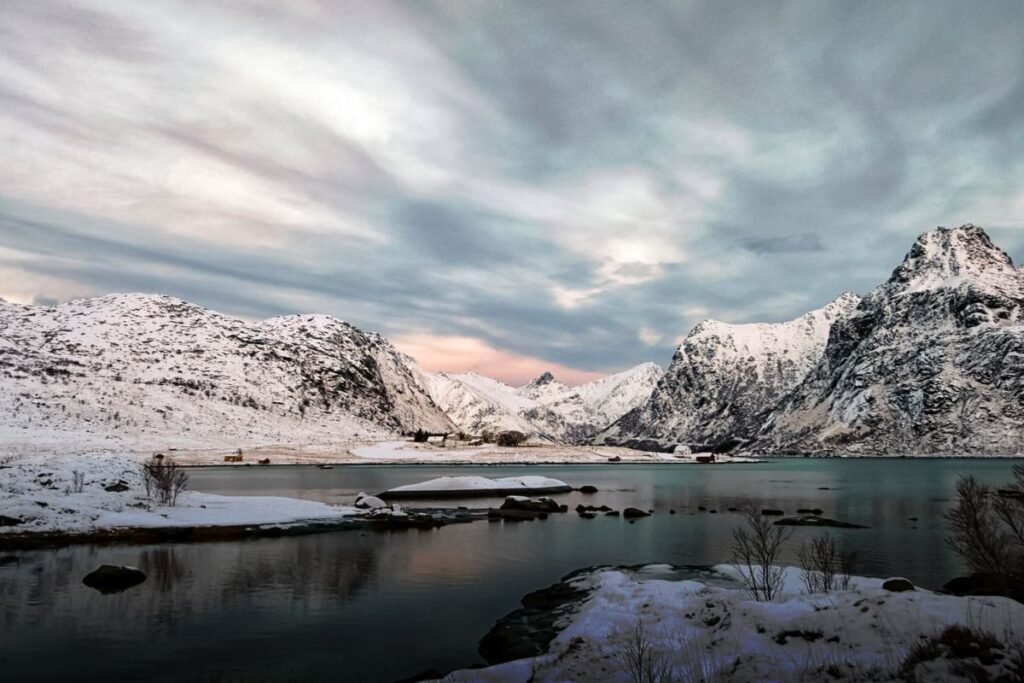
“Arctic security is European security. More than 500,000 EU citizens live in the Arctic, and three EU Member States are Arctic nations. With Russia and China increasing their footprint and ambition, the Arctic has become a front line of global power competition”, said the EU’s foreign policy chief Kaja Kallas: “Our revamped Strategy reflects this new reality and puts security firmly at its core. To defend our interests, we are stepping up efforts in surveillance, infrastructure, military mobility, and defence technologies that can withstand the harsh climate. Access to Arctic sea lanes and natural resources is of strategic interest to the EU.”
The Strategy presents a new framework of political cooperation for like-minded partners that places people, security, climate and prosperity at its core. It has four priorities: strengthening security and resilience, responding to climate change in the Arctic, prosperity, and opportunities for people and communities in the Arctic.
The EU is part of the Arctic, says the Commission: more than half a million EU citizens live there. With the Kingdom of Denmark, Finland and Sweden as Arctic EU Member States, and close ties with Norway, Iceland, the UK, Canada and the United States, the developments in the Arctic directly affect Europe’s security, the climate, and our prosperity.
A fast-changing Arctic is warming nearly four times faster than the global average, affecting ecosystems, changing livelihoods and communities. New shipping routes and uncovering resources are reshaping Arctic’s security and economic landscape, resulting in increasing geopolitical tensions, strategic competition and military activity.
Through the concrete measures in this new strategy, the EU is seeking to promote a stable and forward-looking Arctic, in close cooperation with Arctic partners and communities.
The four priorities of this strategy are
- strengthening security and resilience in the Arctic to improve preparedness, protect critical infrastructure and strengthen Europe’s ability to operate in Arctic conditions. This work will be supported by a new maritime security hub, to support Member States and partners in sharing information and improving monitoring of maritime activities in the Arctic.
- responding to accelerating climate change by strengthening climate research, and support effective responses, the EU will work with Member States and partners on data sharing through OceanEye, the EU’s new ocean monitoring and observation initiative. This will help improve climate predictions, strengthen maritime safety and support efforts to adapt to climate change.
- building an economically secure Arctic through the new EU polar research hub, to strengthen the link between science and policy, and by reinforcing the European Polar Coordination Office, to better connect research, observation and scientific infrastructure.
- creating opportunities for people in the Arctic by supporting Arctic local governments in addressing shared challenges, deepening engagement and dialogue with Arctic communities, and in particular with young people, to ensure their needs and ambitions continue to shape the work in the Arctic.