The EU Right to Repair Directive, which encourages sustainable consumption by making it easier to repair products instead of replacing them, came into force on 31 July.

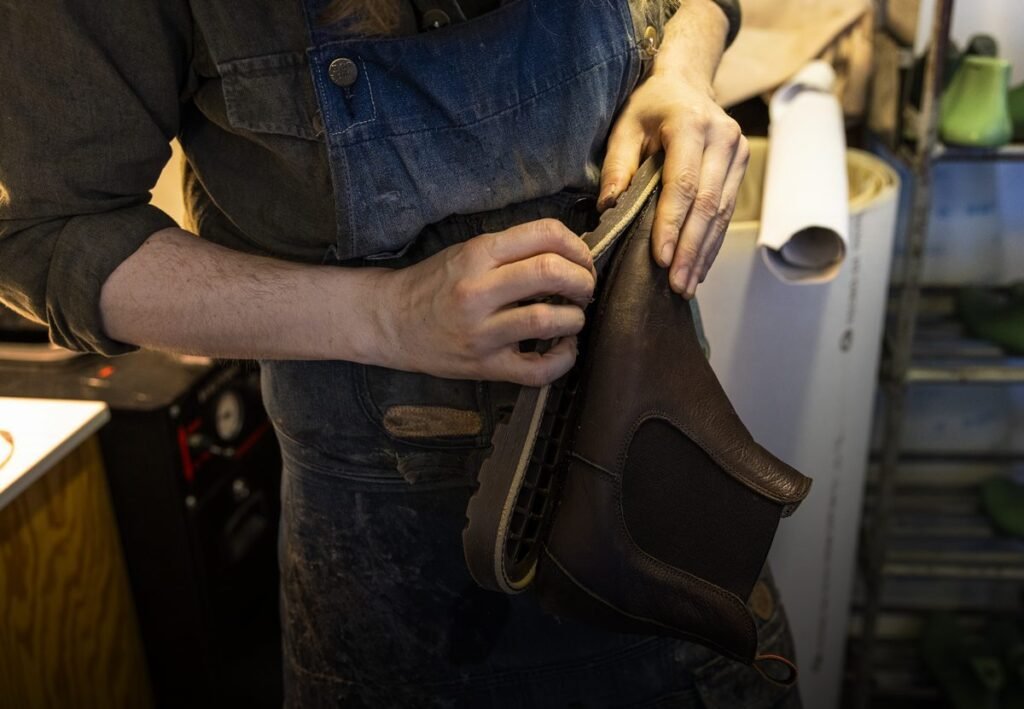
The Directive aims to encourage consumers to use their goods for longer and so prevent premature disposal of repairable goods, saving money, reducing waste, extending the lifecycle of their products, and reducing greenhouse gas emissions.
Under the Directive, consumers can request that their broken products be repaired, such as smartphones, washing machines, or fridges, even if the legal guarantee has expired.
Manufacturers will have to offer these repairs at a reasonable price and within a reasonable timeframe. They must also provide clear information on their websites about their repair services and indicative prices. They will not be allowed to refuse repair or use practices that prevent it or deter consumers from availing of it. They will also need to make spare parts accessible and affordable.
Annex II to the Directive provides a list of products to which this obligation applies. In addition, manufacturers are prohibited from using contractual clauses, hardware or software techniques that impede the repair of goods listed in Annex II unless justified by legitimate and objective factors. Manufacturers that provide spare parts for these goods must do so at reasonable prices.
Manufacturers are also required to make available information on their repair services to consumers in an easily accessible manner. This could be done, for example, on their website or in the instruction manuals.
Henna Virkkunen, Executive Vice-President for Tech Sovereignty, Security and Democracy, said: “Europe should not become a continent that throws technology away”, said EC executive vice-president Henna Virkkunen: “The future is smart, repairable, and circular. By making repair easier, we support innovation, strengthen European industry and reduce our dependence on imported raw materials.”
“Choosing to repair a product rather than replace it means choosing affordability, circularity, and competitiveness”, said Consumer Commissioner Michael McGrath: “The Right to Repair Directive delivers on all three. Its full application across the EU will make a real difference for consumers, the environment, and small businesses, while helping us deliver on our ambition for a clean, competitive European economy.”
Member States have to encourage repairs, for example through vouchers or repair funds. The Commission is also currently developing a new European online repair platform, for consumers to easily find repair services near them.