Electricity is an essential component of our modern lives, powering everything from our homes to industries. To ensure the efficient and safe distribution of electricity, grouping boxes play a vital role. These boxes serve as distribution points, allowing electricity to be distributed to different areas and minimizing the risks associated with electrical systems.
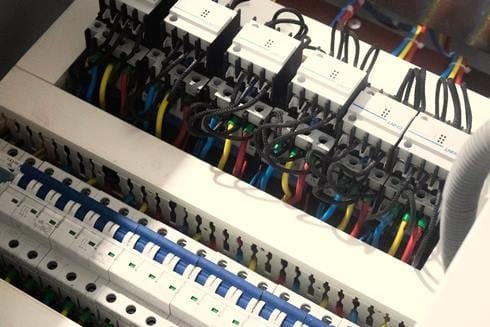
In this article, we will explore the concept of grouping boxes for electricity and understand their significance in electrical distribution networks.
1. Introduction to Grouping Boxes
Grouping boxes (Dutch: groepenkasten), also known as distribution boards or electrical panels, are essential components of electrical systems. They act as central hubs for distributing electricity to different circuits, ensuring a safe and organized flow of power. These boxes are typically installed at strategic locations within a building or facility, allowing for convenient access and maintenance.
2. Types of Grouping Boxes
There are several types of grouping boxes used in electrical installations. Let’s explore some of the common ones:
2.1 Main Distribution Boards (MDB)
The main distribution board serves as the primary distribution point for electricity in a building or facility. It receives power from the main power source, such as the electrical grid or a generator, and distributes it to various sub-distribution boards or consumer units.
2.2 Sub-Distribution Boards (SDB)
Sub-distribution boards are secondary distribution points that receive power from the main distribution board. They distribute electricity to specific areas or sections within a building, such as floors or departments.
2.3 Consumer Units
Consumer units, also known as fuse boxes, are grouping boxes designed for residential properties. They provide circuit protection and allow homeowners to control and monitor the electricity supply to different areas of their homes.
3. Functions and Importance of Grouping Boxes
Grouping boxes serve several important functions in electrical systems. Let’s explore some of their key functions and their significance:
3.1 Centralized Power Distribution
One of the primary functions of grouping boxes is to centralize power distribution. By consolidating the distribution of electricity in a building or facility, they simplify the wiring and make it easier to manage and control the flow of power.
3.2 Circuit Protection
Hager Grouping boxes (Dutch: Hager groepenkasten) incorporate circuit protection devices such as circuit breakers and fuses. These devices safeguard electrical circuits from overloading or short circuits, preventing potential hazards such as electrical fires and equipment damage.
3.3 Accessibility and Maintenance
Grouping boxes are designed for easy accessibility and maintenance. They provide a centralized location for electrical connections and are equipped with features that allow electricians or maintenance personnel to safely carry out inspections, repairs, or upgrades.
4. Installation and Placement of Grouping Boxes
Proper installation and strategic placement of grouping boxes are crucial for ensuring efficient and safe electrical distribution. Consider the following factors during installation:
4.1 Strategic Placement
Grouping boxes should be strategically placed in easily accessible locations, allowing for convenient maintenance and troubleshooting. They should be positioned away from water sources, excessive heat, or areas prone to physical damage.
4.2 Wiring and Connections
Careful attention should be given to the wiring and connections within grouping boxes. Proper labeling and organization of wires and cables help in identifying circuits and facilitate maintenance activities.
4.3 Safety Measures
Grouping boxes should be installed with appropriate safety measures, including protective covers and barriers, to prevent accidental contact with live electrical components. Safety protocols should be followed during installation to minimize the risks associated with electrical systems.
5. Grouping Boxes in Residential Buildings
In residential buildings, grouping boxes are essential for managing the electrical supply to different areas. Let’s explore their significance:
5.1 Distribution to Rooms and Areas
Grouping boxes in residential buildings ensure the distribution of electricity to different rooms and areas. This allows homeowners to have control over the power supply to specific parts of their homes, enhancing convenience and energy management.
5.2 Safety Features for Homeowners
Consumer units, the grouping boxes used in residential settings, incorporate safety features such as residual current devices (RCDs) and miniature circuit breakers (MCBs). These devices provide additional protection against electrical faults, ensuring the safety of homeowners and their properties.