As cases of COVID-19 continue to mount across member countries of the European Union, reliance on contactless transactions has steadily peaked.
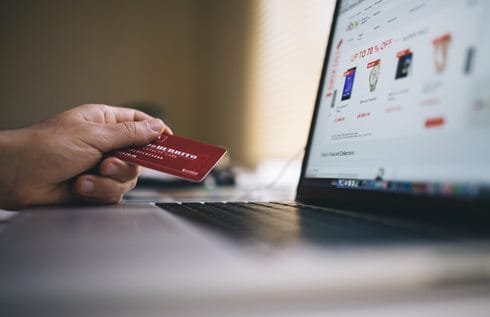
Cities in Spain and Germany are undergoing lockdown measures and implementing strict health protocols, while e-commerce sales and digital payments have reached record highs.
This might be a reason for elation in industries hard-hit by the pandemic, but the rise of digital transactions is also bringing concerns over cases of identity theft and data breaches to the forefront. In fact, earlier in October, the EU proposed rules requiring financial institutions to stop using third-party platforms if security gaps remain unaddressed.
As millions of EU consumers and entrepreneurs rely on e-commerce and digital payment portals in these uncertain times, it’s important to be extra cautious when doing business online. On that note, it’s important not to wait for EU regulations to change. It is only a matter of using the right techniques for securing online transactions.
1. Use updated software
Installing the right anti-malware and antivirus tools should help you prevent data from leaking out or being corrupted. Updating these tools regularly should provide extra protection against newer threats. While you may have to pay to subscribe to advanced security features, it is still better than leaving your devices and online accounts vulnerable to hackers.
2. Be meticulous when it comes to finitech
There are various platforms that help facilitate specific digital transactions, from wiring money to processing insurance claims. However, not all of these tools guarantee high levels of security. That being said, doing in-depth research before using any form of fintech technology goes a long way. If you are looking for digital banks, for instance, be sure to make comparisons, read reviews, and ask for suggestions. More importantly, opt for apps that have a good record when it comes to GDPR compliance.
3. Be careful connecting to public networks
If you are shopping online while sitting at a Parisian cafe, there is a good chance someone might intercept your connection. This is often the risk that accompanies using public WiFi. One way you can get around this risk is to install a virtual private network (VPN) which encrypts data coming from your device. Another option is to refrain from doing transactions in public. Instead, connect only to your home network or to networks you can trust.
4. Use a credit card when transacting
If you need to pay for certain purchases, it’s better to use a credit card instead of a debit card. The reason for this is that debit cards are directly linked with your bank. If a data breach happens, hackers can easily take hold of your account information and use it to drain your funds. With a credit card, you can report fraudulent purchases while the money in your bank remains intact.
EU residents might find it convenient to use payment portals and e-commerce sites. For businesses, it is an opportunity to stay afloat during such a difficult time. As much as we enjoy the benefits of online transactions, we must not let our guard down as hackers take advantage of the pandemic.