

The European Commission has fined Firmenich, Givaudan and International Flavors & Fragrances (IFF), the three largest worldwide fragrance producers, a total of €471.9 million for taking part in an international cartel in the fragrance sector in breach of EU competition rules.

The Commission says its investigation revealed that all three companies exchanged commercially sensitive information, including on pricing, about their dealings with Unilever, the biggest purchaser of consumer fragrances worldwide, while Givaudan and IFF also shared sensitive information regarding their overall consumer and fine fragrances business. The cartel covered the entire European Economic Area (‘EEA’) and lasted more than four years.
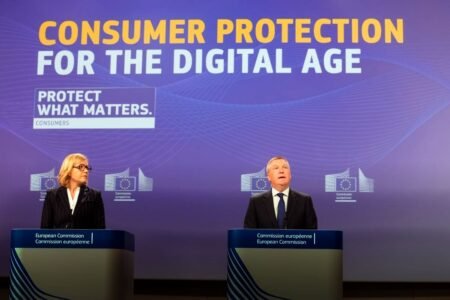
“For years, they exchanged information on their prices, costs and other commercially sensitive information”, said EC executive vice-president Teresa Ribera: “This likely harmed and raised costs for their customers who use those fragrances to make everyday consumer goods like cosmetics, detergents and cleaning products. As a result, people across Europe may have been paying more for their weekly shopping.”
Fragrances are a key element in thousands of fast‑moving consumer goods, such as personal-care products and laundry detergents, which are purchased regularly by every household and so are an important component of everyday consumer expenditure.
The Commission’s decision follows an investigation initiated on its own initiative. After it carried out unannounced inspections, the three companies applied for leniency, and later settled the case with the Commission. The fines were reduced for all three companies as a result of their cooperation with the Commission.
The infringement
The three companies are international fragrance producers. Firmenich and Givaudan are based in Switzerland and International Flavors & Fragrances (IFF) is based in the US.
The cartel consisted of:
- exchanges of commercially sensitive information between all three companies about many aspects of their day-to-day business with Unilever. These exchanges included, among others, pricing-related information, such as price increases, price negotiation tactics and a possible energy surcharge. They also exchanged information and signalled each other their strategy on how to handle requests from Unilever for having more transparency on fragrances’ composition and ingredient costs. The companies were conscious that concessions on transparency could have an impact on other customers. The three companies also agreed not to actively recruit each other’s employees working on the account of Unilever;
- exchanges of commercially sensitive information between Givaudan and IFF about (i) their consumer fragrance business (related to the creation and supply of scent compounds used in everyday personal care and home products); and (ii) at times, about their fine fragrance business in general (related to the creation and supply of personal perfumes). This included sharing information on price increase targets or on the status of their negotiations with some of their consumer and fine fragrance customers.
By sharing this kind of information, Firmenich, Givaudan and IFF reduced uncertainty about each other’s future conduct in the fragrances market and replaced genuine competition with coordination.
Senior employees of the three companies were aware of the anticompetitive contacts of their subordinates with competitors. In addition, as of November 2021, senior employees of Givaudan and IFF were themselves directly involved in the broader exchange of commercially sensitive information on consumer and fine fragrances.
The infringement started for all three companies in March 2019 and ended in March 2023, when the Commission carried out unannounced inspections at their premises.
More information on this case will be available under the case number AT.40826 in the public case register on the Commission’s competition website, once confidentiality issues have been resolved. For more information on the Commission’s action against cartels, see its cartels website.