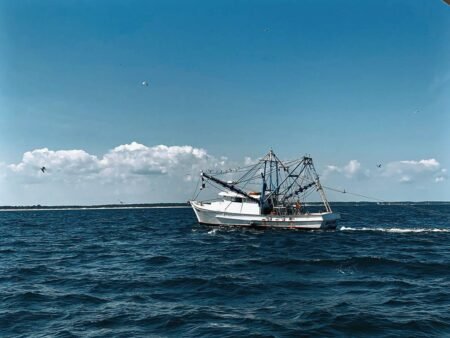
The European Union at the ‘Our Ocean Conference 2026’ in Kenya has announced €338.35 million in funding to support ocean conservation, sustainable fisheries and maritime security.
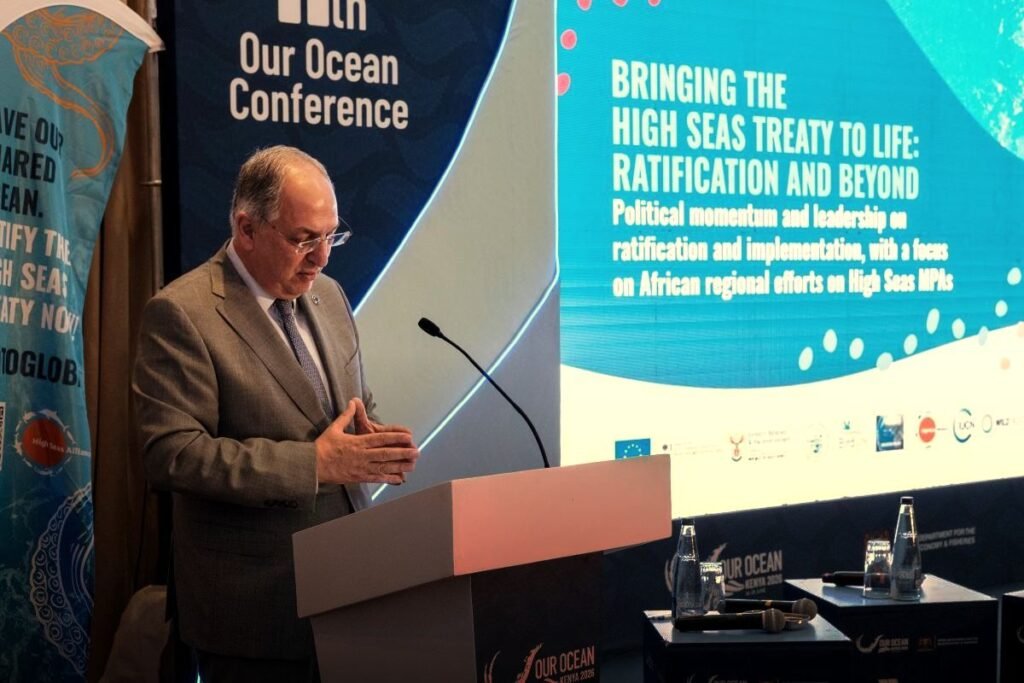
Announcing the news, Commissioner for Fisheries and Oceans Costas Kadis said:”We champion international cooperation and strategic investment to shield marine ecosystems from climate change, pollution, and security risks; to deepen our understanding through observation and research; and to foster sustainable fisheries and resilient coastal communities across the globe.”
This year’s conference, held under the theme ‘Our Ocean, Our Heritage, Our Future’, gathered governments, civil society, and industry representatives from around the world to support the heritage, cultures, and coastal communities shaped by the sea, while calling for a shared commitment to secure a resilient, just, and thriving ocean for future generations. The theme aligns with the EU’s Coastal Communities Strategy, recently adopted by the European Commission, which aims to balance environmental protection with economic and social sustainability in coastal regions.
EU funding is designed to enhance global ocean sustainability and maritime security through a series of targeted initiatives. These include strengthening the Global Ocean Observing System and improving evidence-based decision-making for marine policies via the Commission’s OceanEye initiative; boosting maritime security by addressing piracy and unsafe navigation in the Southern Red Sea, Horn of Africa, and Gulf of Aden; and advancing Africa’s sustainable ocean and coastal economy through investor-entrepreneur partnerships and the scaling of high-impact projects under BlueInvest Africa.
Additional measures financed by the EU will combat illegal, unreported, and unregulated fishing; support the implementation of the UN Ocean Conference’s Political Declaration; and promote sustainable coastal and marine resource management. The EU funds announced will also tackle marine pollution – reducing plastics, chemicals, and nutrient run-off while restoring vulnerable ecosystems – as well as expand marine protected areas, deepen scientific understanding of deep-sea biodiversity, and reinforce global conservation targets.