The EU Parliament and Council have agreed to reserve the use of meat terms such as ‘steak’ to products from livestock farmers, in moves to strengthen the contractual position of farmers to help stabilise their income.
Destabilised distribution of value-added along the food supply chain has increased the level of uncertainty within which farmers operate, fuelling mistrust, with the pressure on agricultural incomes expected to continue as farmers face increasing risks and rising input costs.
The proposal is for targeted changes to legislation that regulates the common market organisation of agricultural products (CMO) and other related provisions of the EU’s agriculture policy.
The informal agreement reached by the co-legislators seeks to ensure that the final prices of food products reflect multiple factors, notably the actual costs of production that are borne by farmers and that have a direct impact on their income. Among the agreed measures, member states would be required to establish and publish online indicators to be used as benchmarks in contractual arrangements.
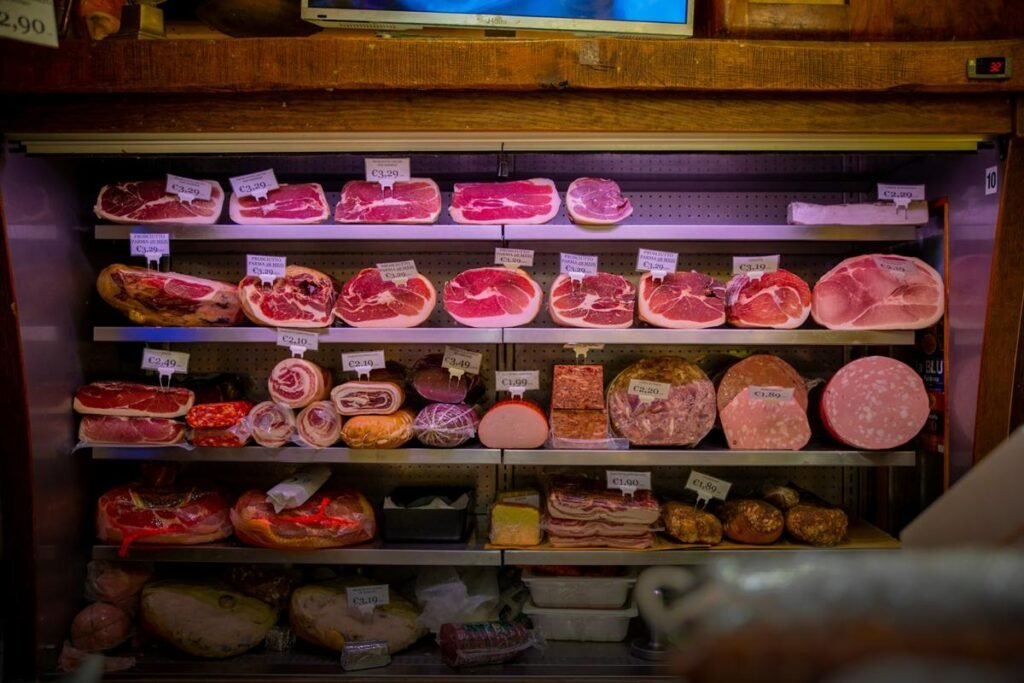
The protection of the designation “meat” will be welcomed by Europe’s livestock farmers, reserving the use of the terms ‘steak’ and ‘liver’ for products from livestock farmers, and also committing the co-legislators to extend the list during negotiations within the framework of the reform of the Common Agricultural Policy.
The meat-related names also include beef, veal, pork, poultry, chicken, turkey, duck, goose, lamb, mutton, ovine, goat, drumstick, tenderloin, sirloin, flank, loin, steak, ribs, shoulder, shank, chop, wing, breast, liver, thigh, brisket, ribeye, T-bone, rump and bacon – and exclude, amongst others, products derived from cell or tissue culture. However, preparations such as burgers or sausages that can be meat-based or contain other products of plant origin will not be covered by this protection.
The political agreement
- Reinforces the rules on contractualisation by requiring the use of written contracts for farmers, providing them with predictability and transparency;
- Reinforces the position of producer organisations by increasing their capacity to organise themselves in the market, in particular, by simplifying the rules on recognition for associations of producer organisations (APOs);
- Sets out rules on the use of optional terms for “fair”, “equitable” and equivalent expressions, as well as for “short supply chains”;
- Introduces the possibility of additional financial support to Member States by the EU for measures undertaken in periods of severe market imbalances.
The political agreement should now be confirmed by co-legislators as soon as possible.
The impact of the proposal will depend on the take-up of certain voluntary measures by farmers and buyers of agricultural products, as well as on the decisions of Member States to make use of the options and derogations provided.