Volatility in the European markets can be extremely tricky to navigate, particularly when it comes to trading in a tax efficient manner.
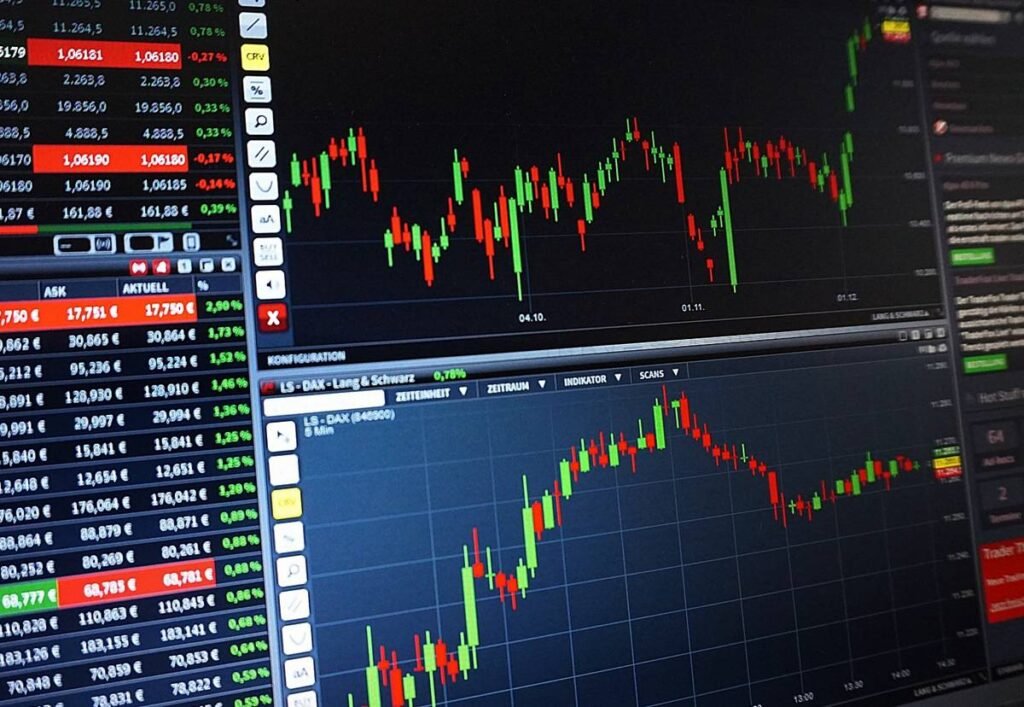
Traders in the United Kingdom are renowned for using tax-free structures from trading firms like Spreadex to navigate market volatility, and it is a similar story across mainland Europe.
With that in mind, read on as we assess how European market volatility drives demand for tax efficient trading strategies.
Navigating volatility in the market
In simple terms, European market volatility influences several elements including investment decisions, tax liabilities and financial planning.
Fluctuations in the market create opportunities for investors to minimise their tax liabilities. They also provide openings to enhance after-tax returns.
With Europe’s tax landscape renowned for its fragmented nature, investors can employ tax efficient trading strategies to maximise their returns.
While there isn’t a ‘one-size fits all’ solution to navigating market volatility, investors should focus on four key areas to boost their chances of success.
- Repositioning portfolios: Volatility provides investors with a strategic window to move less efficient holdings into more tax efficient holdings.
- Loss opportunities: Higher volatility creates greater fluctuations in asset prices. This makes it easier to realise investment losses, which can be used to offset capital gains from elsewhere.
- After-tax wealth: Employing tax efficient strategies helps investors preserve capital. This reduces the impact of taxation on gains and income.
- Fragmented regulation: Europe’s tax landscape is fragmented. Trading platforms such as Spreadex allow investors to safely navigate the issues in a tax efficient manner.
Employing tax efficient trading strategies
Tax-loss harvesting is one of the most effective strategies for turning European market volatility into tax efficient trading.
This strategy requires you to sell an investment for a price lower than the original cost. The loss incurred could generate significant income tax savings.
Savvy investors use the market’s ongoing volatility to their advantage, crystalising losses as they go along to maximise their portfolio returns.
Many investors harvest their losses at the end of each year when finalising their taxable activity for their tax returns. However, this results in them missing the chance to benefit from market dips.
By using real-time market tracking tools, investors can capture losses to offset gains and make a significant dent into their tax liability for the year.
Moving assets into structures such as separately managed accounts can facilitate systematic tax-loss harvesting. This gives more control over the tax impact of trading compared to mutual funds.
Trust funding and strategic gifting are other tax-efficient strategies that investors can use to safely navigate volatility in the European markets.
Tax efficient alternatives to the European market
Every reputable financial advisor will warn against putting your financial eggs into one basket. A diverse investment portfolio is always the way to go.
Focusing your investments purely on the European markets is fraught with danger, particularly when taking its volatility into account.
Alternative investments should be part of your investment portfolio to ensure that you have a back-up plan if the markets experience a slump.
Real estate, private equity, hedge funds and commodities are among the elements to consider if you are looking for high returns and tax benefits.
Oil and gas investments are also worth considering, especially for investors who want to mitigate the impact of taxes on their overall financial strategy.
By strategically incorporating alternatives into your portfolio, you can achieve a much greater degree of diversification and tax optimisation.