Close Menu
    Latest Category
    • Finance
    • Tech
    • EU Law
    • Energy
    • About
    • Contact
    EUbusiness.com | EU news, business and politicsEUbusiness.com | EU news, business and politics
    Login
    • EU News
    • Focus
    • Guides
    • Press
    • Jobs
    • Events
    • Directory
    EUbusiness.com | EU news, business and politicsEUbusiness.com | EU news, business and politics
    Home » Brussels issues guidance on raw ivory export ban

    Brussels issues guidance on raw ivory export ban

    npsnps17 May 2017Updated:25 June 2024
    — Filed under: Environment EU News Headline2 Trade
    Share
    Facebook Twitter LinkedIn Pinterest Email
    Brussels issues guidance on raw ivory export ban

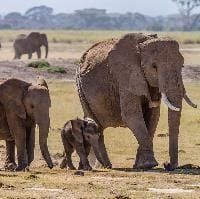
    Elephants – Photo ny Benh LIEU SONG

    (BRUSSELS) – The EU Commission moved Tuesday to end the export of old raw ivory as of 1 July, with the adoption of new guidance on the European Union’s rules governing ivory trade.

    The decision, which is foreseen in the EU Action Plan against wildlife trafficking, will help to prevent that legal ivory trade fuels international ivory trafficking, which has risen significantly over the last decade.

    “Fighting international ivory trafficking is a battle we can’t afford to lose,” said Environment Commissioner Karmenu Vella: “By ending the export of ivory tusks and other raw ivory we are living up to our responsibility. And we are delivering on the next commitment in our Action Plan against wildlife trafficking. Our financial support for developing countries will strengthen their capacity to implement the CITES Convention. This is essential to achieve progress in the fight against poaching and for sustainable wildlife trade.”

    Despite an international ivory ban, elephant poaching and ivory trafficking have reached record levels. It is estimated that between 20,000 and 30,000 African elephants are poached every year. Ivory seizures amount to more than 40 tonnes in 2015. The rising demand for ivory products in Asia is one of the main reasons for this surge in trafficking.

    The legal export of old ivory items from the EU to Asia has risen since 2012 to a level where experts say it could fuel the global demand for ivory and be used as a cover for illegal ivory trade. This is especially the case for ivory tusks, which represent the largest share of trafficked ivory.

    The new Commission guidance document recommends that, as of 1 July 2017, EU Member States stop issuing export documents for raw ivory. In practical terms this means an end to the export of raw ivory, except for scientific and educational specimen. In addition, the guidance document, produced in close collaboration with Member States, sets out that the latter should interpret rules strictly when authorising other trade in ivory ensuring that the ivory items are of legal origin.

    The EU already has strict rules on ivory trade, under which ivory trade is banned except for items acquired before 1990, when all African elephants obtained the maximum protection under CITES.

    The Commission says it will also grant new financial support of EUR 2.25 million to the Secretariat of the Convention on International Trade in Endangered Species of Wild Fauna and Flora (CITES) to help with the implementation of the decisions on international wildlife trade agreed at the CITES Conference of Parties in October 2016.

    New measures to fight poaching and end trade in raw ivory - background guide

    Guidance document

    Add A Comment
    Leave A Reply Cancel Reply

    You must be logged in to post a comment.

    nps
    • Website

    Related Content

    New European Bauhaus - La Marjal Floodable Urban Park. Alicante

    EU awards 2026 New European Bauhaus prizes for sustainable and inclusive projects

    European Central Bank governing council meeting - Photo © European Central Bank 2026

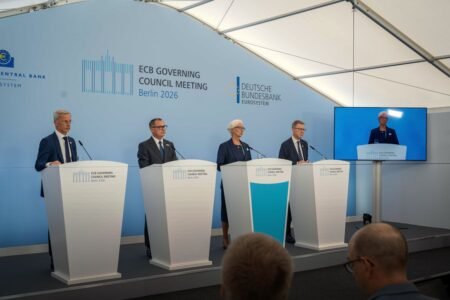
    ECB faces tough decision in October as equities begin to wilt under high interest rates

    Nature butterfly - Image by Day from Pixabay

    WWF urges EU to maintain its nature ambitions at biodiversity COP and at home

    Sponsor: WWF14 October 2026
    Law standards regulations - Image by Pixabay

    Less burden, better investment: SMEunited’s message to EU leaders

    Sponsor: SMEunited14 October 2026
    E-waste - Image by Thomas from Pixabay

    12.3 kg of e-waste per person collected in EU

    Military helicopter - Photo by Dominik Gryzbon on Pexels

    EU disburses €2.86 bn to Ukraine for drones, missiles and urgent battlefield needs

    LATEST EU NEWS
    New European Bauhaus - La Marjal Floodable Urban Park. Alicante

    EU awards 2026 New European Bauhaus prizes for sustainable and inclusive projects

    16 October 2026
    European Central Bank governing council meeting - Photo © European Central Bank 2026

    ECB faces tough decision in October as equities begin to wilt under high interest rates

    15 October 2026
    E-waste - Image by Thomas from Pixabay

    12.3 kg of e-waste per person collected in EU

    14 October 2026
    Military helicopter - Photo by Dominik Gryzbon on Pexels

    EU disburses €2.86 bn to Ukraine for drones, missiles and urgent battlefield needs

    14 October 2026
    AI artificial intelligence chatbot - Image by Tim Witzdam from Pexels

    42 per cent of smaller European companies use AI

    14 October 2026

    Subscribe to EUbusiness Week

    Get the latest EU news

    CONTACT INFO

    • EUbusiness, 117 High Street, Chesham Buckinghamshire, HP5 1DE, United Kingdom
    • +44(0)20 8058 8232
    • service@eubusiness.com

    INFORMATION

    • About Us
    • Advertising
    • Contact Info

    Services

    • Cookie Policy
    • Terms
    • Disclaimer

    SOCIAL MEDIA

    Facebook
    eubusiness.com © EUbusiness Ltd 2026

    Type above and press Enter to search. Press Esc to cancel.

    Sign In or Register

    Welcome Back!

    Login to your account below.

    Lost password?