


The EU’s Generalised Scheme of Preferences (GSP) is a trade policy tool that reduces or removes import duties on goods from developing countries, helping European businesses access cheaper raw materials and products while supporting sustainable development abroad.
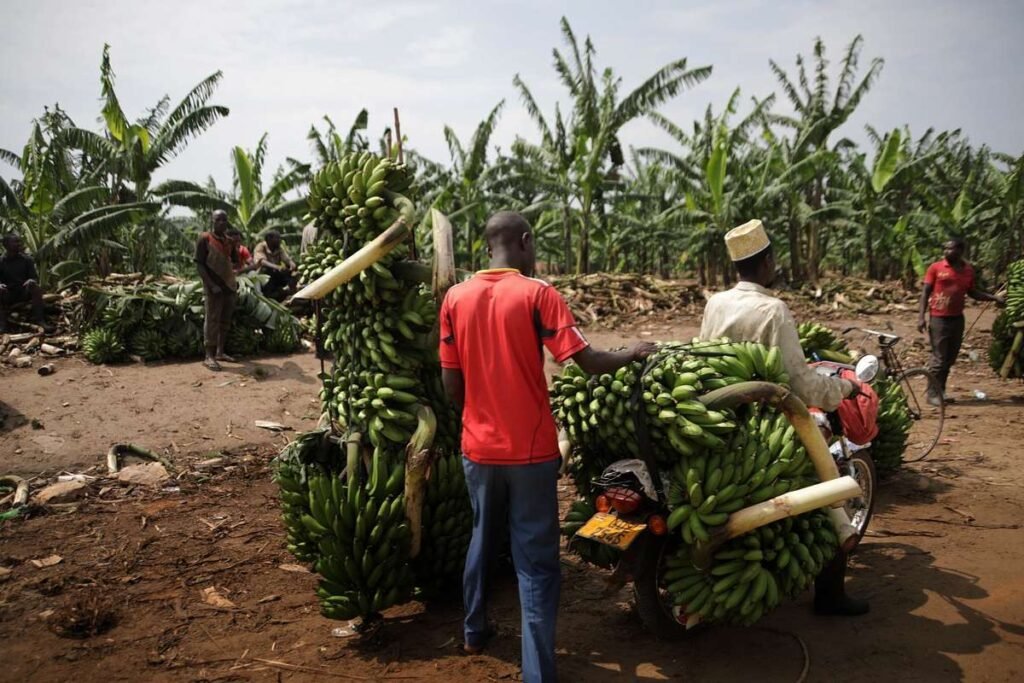
By removing import duties, the EU’s GSP helps developing countries to alleviate poverty and create jobs based on international values and principles, including labour and human rights, environment and climate protection, and good governance.
The EU’s Generalised Scheme of Preferences (GSP) also helps European businesses access cheaper raw materials and products while supporting sustainable development abroad.
What is the EU GSP?
- Origins: Introduced in 1971, when the United Nations Conference on Trade and Development (UNCTAD) asked developed countries to help developing countries integrate into the world economy.
- Purpose: Provides non-reciprocal tariff preferences for imports from developing and least-developed countries, contingent on respect for human rights, labour standards, environmental protection, and good governance
- Structure:
- Standard GSP for low and lower-middle income countries. This means a partial or full removal of customs duties on two-thirds of tariff lines.
- GSP+: a special incentive arrangement for sustainable development and good governance. GSP+ slashes these same tariffs to 0% for vulnerable low- and lower-middle income countries that implement 27 international conventions related to labour and human rights, environmental and climate protection, and good governance.
- EBA (Everything But Arms): the special arrangement for least developed countries (LDCs), providing them with duty-free, quota-free access to the EU market for all products except arms and ammunition.
Arrangements that benefit each country
List of GSP beneficiary countries
GSP statistics: details regarding benefits per regime, country and product
Visit the Access to Markets portal to find the scheme that benefits each country.
How it Helps European Businesses
- Lower Costs: By removing or reducing import duties, European companies can source raw materials, semi-finished goods, and consumer products at lower prices
- Supply Chain Diversification: Access to imports from 65+ developing countries reduces dependence on a few suppliers and strengthens resilience against global shocks
- Competitive Advantage: Cheaper imports allow European manufacturers to lower production costs, making their final products more competitive in global markets.
- Market Certainty: The scheme provides predictable trade conditions, extended until at least 2027, giving businesses stability for long-term planning
- Sustainability Alignment: European firms benefit from partnerships with countries that meet international standards on labour rights and environmental protection, aligning with EU corporate responsibility goals
Examples of Business Benefits
- Industrial Inputs: Imports of iron, steel, aluminium, machinery, and automotive parts from GSP countries enter the EU at reduced tariffs, lowering costs for European manufacturers
- Consumer Goods: Textiles, agricultural products, and electronics sourced under GSP help retailers and wholesalers offer affordable products to European consumers.
- Green Transition: Access to energy-related products (like batteries and electrical equipment) supports Europe’s push toward renewable energy and electrification
For European businesses
The EU GSP is not just a development tool – it’s also a strategic advantage for European businesses, enabling them to cut costs, diversify supply chains, and align with sustainability standards while contributing to global poverty reduction.
Sources


