The EU Parliament and Council have reached agreement on a major reform of the EU Customs Code to address problems relating to e-commerce, safety of goods and efficiency.

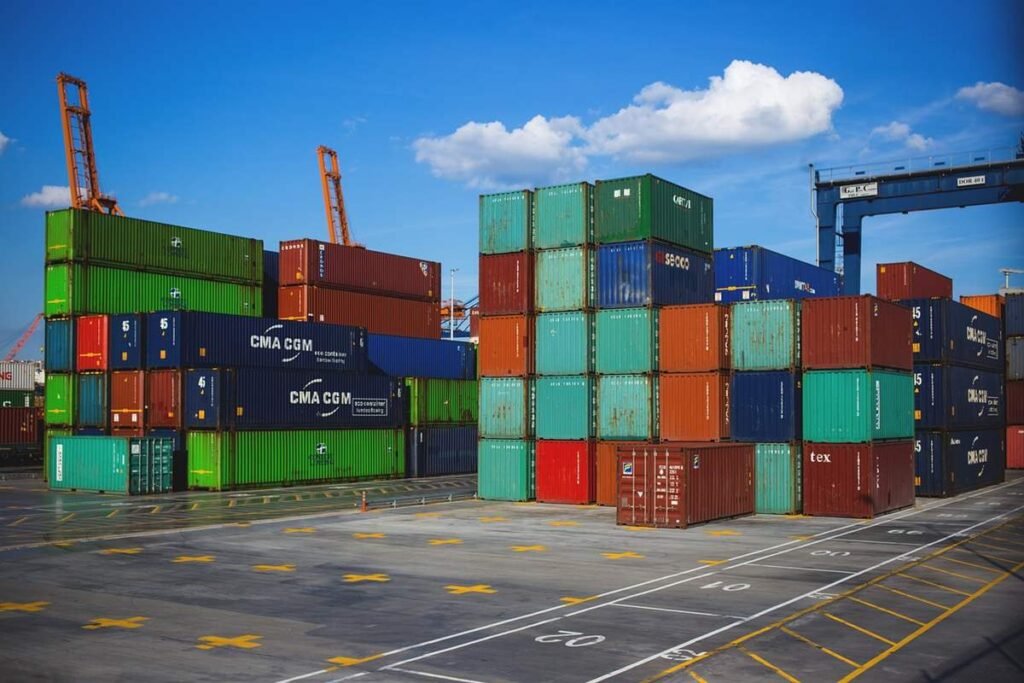
The reform of the EU customs rules introduces new measures for e-commerce and launches a modern, data-driven customs architecture that simplifies procedures and enhances efficiency.
According to the informal agreement, there will be a new handling fee for each item entering the EU from non-EU countries and sent directly to EU consumers, to cover the extra cost of handling an ever-increasing number of individual parcels. This will be paid by the same entity responsible for paying other customs charges for the same parcel, to avoid shifting the cost to consumers.
The Commission will establish the level of the fee and reassess it every two years. Member states will start collecting it as soon as the necessary information technology (IT) system becomes operational, and in any case no later than 1 November 2026.
Under the new rules, sellers and platforms that facilitate distance sales of goods from non-EU countries directly to EU customers will be treated as importers. This will oblige them to provide customs authorities with all the necessary data, pay or guarantee any charges, and make sure that the goods comply with EU laws. These companies must be established in the EU or be represented by an EU-based entity having either authorised economic operator (AEO) or trusted trader status. This should prevent the use of shell companies.
To incentivise bulk shipments that are easier for customs authorities to check, non-EU country sellers and platforms are encouraged to operate warehouses in the EU. Their intra-EU client shipments would benefit from a lower handling fee, provided their goods were imported in collective packaging and large enough quantities to make customs checks more efficient.
Companies that repeatedly ignore EU rules could be punished with a fine of at least 1% (and up to 6%) of the total value of goods imported into the EU in the previous 12 months. Additionally, customs authorities may suspend, revoke, or annul their trusted trader or AEO status and flag them as high-risk operators.
Import-export companies that follow the rules and agree to cooperate transparently with the customs authorities may benefit from a simplified “trust and check” regime. This would initially require them to go through thorough vetting and grant customs authorities access to their electronic systems. In exchange, their shipments would be checked less frequently and they would have more flexibility regarding the payment of duties and fees. The current AEO qualification will remain in place to keep customs status accessible to smaller economic operators.
The reform also establishes a new customs data hub to be managed by the new EU Customs Authority (EUCA). It will be available for optional use by 2031 and mandatory by 2034. The data hub will replace at least 111 software systems currently used by customs. This will make customs dealings easier and faster, risk analysis more efficient and customs cooperation more effective.
The reform also sets up a new EU Customs Authority. This will be established in Lille, France and is expected to become fully operational immediately. Its main responsibilities will be to coordinate future customs cooperation, ensuring risk management and managing the data hub.