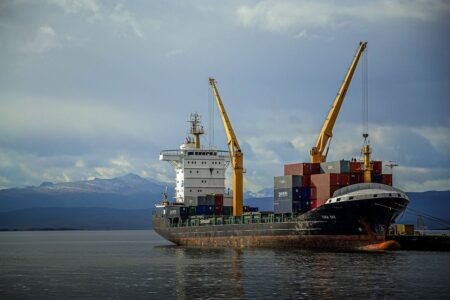
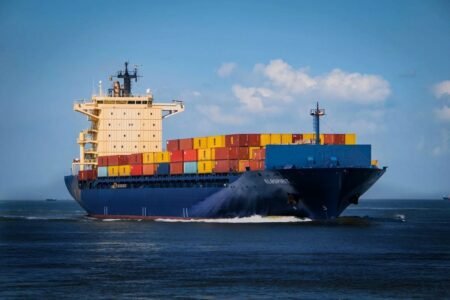
The EU-Mercosur Interim Trade Agreement enters into provisional application on 1 May, bringing immediate and tangible benefits for EU businesses, workers and citizens, according to the European Commission.

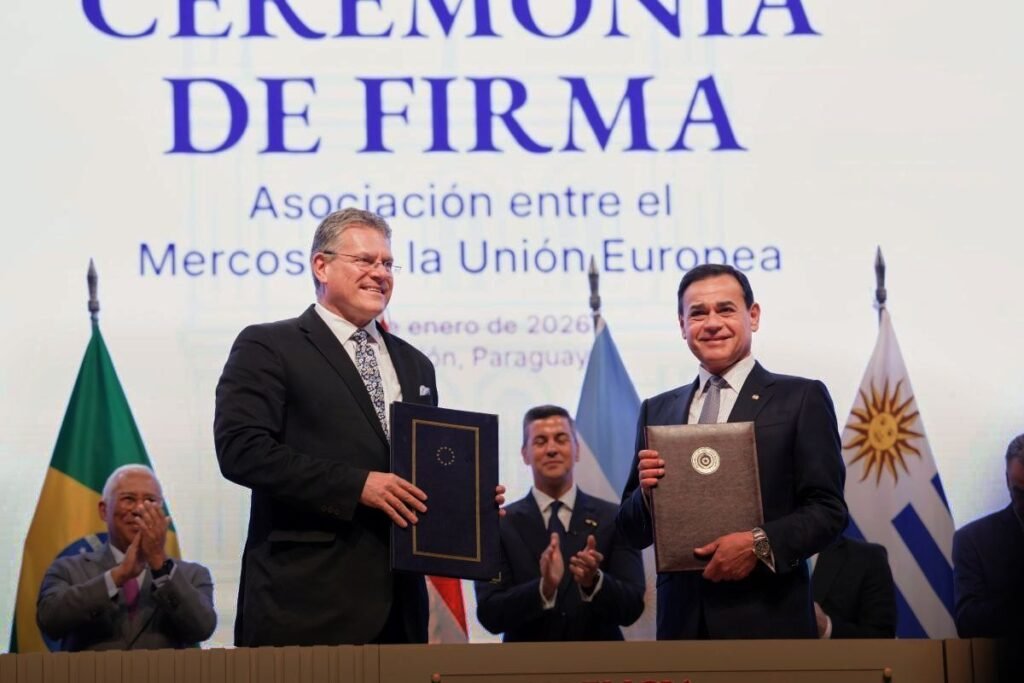
“With the provisional application of the EU-Mercosur Agreement in place, it’s time to roll up our sleeves and make sure this historic deal delivers”, said Trade Commissioner Maros Sefcovic: “Trade deals are in their essence about buying and selling goods and services, under mutually agreed rules and for mutual gain, and this will be our laser focus in the coming weeks and months. The Commission is already engaging in intensive structured outreach to EU businesses, including SMEs, to ensure that they have all the information they need to start exploring the great opportunities open to them. This deal – and the many others we have recently concluded or are currently working on – will make a real difference to the EU economy and its global competitiveness.”
The Commission says the agreement will gradually eliminate import duties on over 91% of EU goods exported to Mercosur, opening a shared market of over 700 million people.
As of 1 May, the deal removes or drastically reduces tariffs on key EU exports such as cars, pharmaceuticals, wine, spirits, and olive oil, creating new opportunities for EU companies in one of the biggest trade zones in the world.
EU farmers and agrifood producers will also see lower or eliminated duties, making their products more competitive in Mercosur, says the Commission. The agreement is expected to increase EU agrifood exports to the region by 50%, with the first tariff-rate quotas and reductions taking effect on 1 May.
Additionally, 344 European Geographical Indications (GIs), such as Parmigiano Reggiano and Bordeaux, will gain legal protection in Mercosur as of tomorrow, preventing their imitation in this growing consumer market. At the same time, EU sensitive agri-food sectors benefit from every necessary protection thanks to carefully calibrated tariff rate quotas and an unprecedented safeguard mechanism and enhanced controls.
1 May also marks the beginning of the elimination of non-tariff barriers and technical barriers to trade, as rules on conformity assessment, rules on labelling and respect of international standards start being applied. This will ensure that EU companies can operate in an easier and faster manner. Public procurement markets will also open, allowing EU firms to bid for government contracts at federal and state levels on equal terms with local competitors. Services exporters – in sectors like finance, IT, and transport – will immediately benefit from clearer licensing rules, non-discriminatory procedures and movement of workers. By 2040, these combined benefits are expected to boost the EU’s annual exports to the Mercosur region by 39%, reaching €50 billion.
The provisional application follow’s the Council decision in January to empower the Commission to provisionally apply the agreement as from the first ratification by one Mercosur country.
Factsheet: Provisional application of the EU-Mercosur agreement – How to export agricultural goods
Factsheet: Provisional application of the EU-Mercosur agreement – How to export goods and services