The European Commission is committing €8.85 million to develop a groundbreaking diagnostic device that will help clinicians choose the appropriate treatments for patients who may need antibiotics.
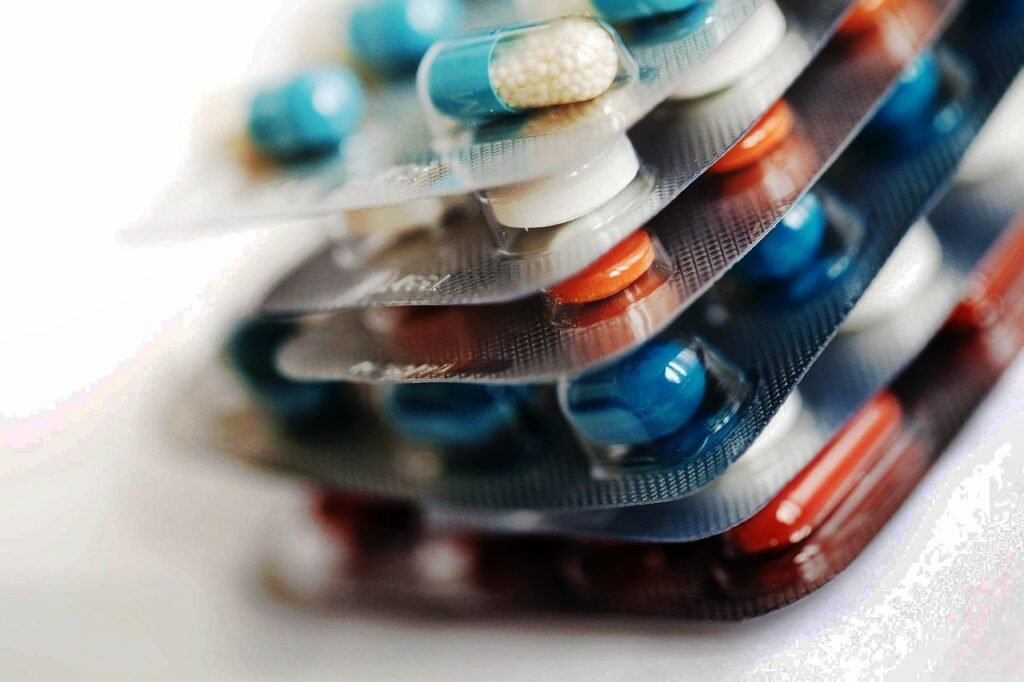
“Antimicrobial resistance is already costing lives and placing real strain on Europe’s health systems”, said EU Commissioner Hadja Lahbib: “Too often, doctors must prescribe antibiotics without having fast and accurate diagnostic answers. Investing in rapid diagnostics gives them the means to treat with precision instead of precaution.”
Antimicrobial resistance claims thousands of lives across Europe every year and costs healthcare systems an estimated €11 billion annually. One of its major drivers is the unnecessary or incorrect use of antibiotics.
When patients visit their doctor with a suspected infection, diagnostic tests can often be too slow or insufficiently accurate to guide immediate treatment decisions, since they are usually performed in specialised laboratories. This can lead clinicians to prescribe broader-spectrum or suboptimal alternatives, which increases the costs of care and worsens antimicrobial resistance.
The new device aims to change this. It will enable doctors to determine whether bacteria are present, identify the type of bacteria, and assess which antibiotics will be more effective – all in under an hour, directly at the point of care. Whether in a general practitioner’s office, hospital emergency department or pharmacy, the compact and portable device requires minimal training.
To develop the device, the Commission is supporting a consortium of European companies, bringing together five partners: ShanX MedTech B.V. (Netherlands), Aidian Oy (Finland), Biosurfit S.A. (Portugal), Unitron B.V. (Netherlands), and Fundación para la Investigación Biomédica del Hospital Universitario Ramón y Cajal (Spain). This four-year contract is funded by the EU4Health Programme.