More dentists across the UK are expanding into cosmetic and aesthetic treatments as demand for non-surgical procedures continues to rise. The UK aesthetics market is estimated to be worth over £3.6 billion, with millions of treatments carried out each year, showing strong and consistent growth.

At the same time, traditional dentistry can be competitive and reliant on routine or NHS work, which often has tighter margins. By offering additional services such as skin treatments, dentists can diversify their income and attract a broader client base.
This shift reflects a wider trend in healthcare, where professionals are combining medical expertise with cosmetic services.
What types of cosmetic treatments are dentists offering?
Dentists are increasingly providing a range of aesthetic treatments that go beyond oral care. These commonly include anti-wrinkle injections such as Botox, dermal fillers, microneedling, and treatments using devices like Dermapen.
Skin rejuvenation treatments, chemical peels, and even laser procedures are also becoming more common in dental clinics. These services align closely with facial aesthetics, which naturally complements dentistry. Since dentists already work on improving smiles and facial appearance, expanding into skin and anti-ageing treatments is a logical progression for many practices.
Why does it make sense for dentists to move into aesthetics?
Dentists are particularly well suited to cosmetic treatments due to their medical training, precision, and understanding of facial anatomy. They are highly experienced in performing delicate procedures in and around the face, often requiring steady hands and attention to detail.
This skillset transfers directly to treatments such as injectables and microneedling. In addition, dental clinics are already equipped with clinical environments that meet strict hygiene and safety standards. This reduces the need for significant additional investment compared to someone starting a new aesthetics business from scratch.
In the last 30 years, many dental practices have shifted to more cosmetic treatment nonetheless. Rather than traditional fillings and root canals, the UK has shifted towards professional teeth whitening and invisible braces as part of selling the perfect smile, much of which has been influenced by TV and celebrities.
Do patients trust dentists more for cosmetic procedures?
Trust plays a major role in the growth of aesthetics within dental practices. Patients are often more comfortable receiving treatments from a qualified healthcare professional rather than a high street salon.
Dentists are regulated professionals with extensive training, which can provide reassurance when undergoing procedures involving needles or skin penetration.
Surveys suggest that a large proportion of patients prefer medically trained practitioners for treatments like Botox and fillers, particularly as concerns about safety in the aesthetics industry continue to grow. This trust gives dentists a competitive advantage in attracting new clients.
How do cosmetic treatments improve profitability for dental practices?
One of the main reasons dentists are entering the aesthetics market is the strong profit potential. Cosmetic treatments often have higher margins compared to routine dental services, especially private treatments.
For example, procedures such as Botox or dermal fillers can be completed relatively quickly while generating significant revenue.
The UK non-surgical cosmetics sector performs over 900,000 injectable treatments annually, highlighting the scale of opportunity. In addition, these treatments are typically not dependent on insurance or NHS funding, giving practices more control over pricing and income.
Can cosmetic treatments create upselling opportunities?
Aesthetic services also open up valuable upselling and cross-selling opportunities within a dental practice. Patients who visit for dental treatments may be interested in improving their overall facial appearance, making it easier to introduce services like skin rejuvenation or anti-ageing treatments. Similarly, clients who initially come in for cosmetic procedures may later consider teeth whitening or other dental services. This integrated approach allows practices to maximise the value of each client and build long-term relationships.
How does the clinic environment benefit cosmetic services?
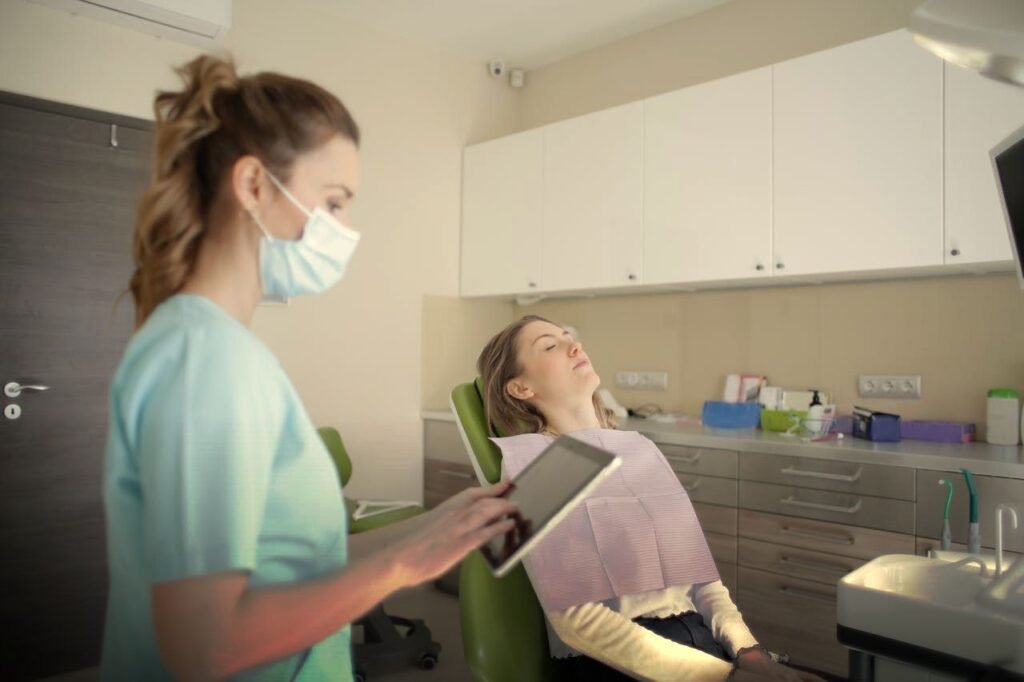
Dental clinics already operate in highly controlled, sterile environments, which is a significant advantage when offering aesthetic treatments. Clients often associate these settings with professionalism, safety, and clinical expertise. Compared to a typical high street salon, a dental practice may feel more medical and reassuring, particularly for treatments involving injections or advanced skin procedures. This environment can enhance the overall client experience and reinforce confidence in the quality of care being provided.
What does the future look like for dentists in aesthetics?
The trend of dentists moving into cosmetic treatments is expected to continue as demand for non-invasive procedures grows. With increasing awareness of aesthetics and a strong focus on appearance and wellbeing, more patients are seeking convenient, trusted providers for these services. Dentists are well positioned to meet this demand due to their expertise, facilities, and established patient relationships. As the market expands, combining dentistry with facial aesthetics is likely to become an increasingly common and profitable business model in the UK.