Dive into the fascinating world of Arabian perfumes: discover their history, precious ingredients, craftsmanship, and iconic brands. An unforgettable olfactory journey.

An Olfactory Journey into the Heart of Arabian Fragrances
Intense, sensual, and undeniably captivating: Arabian fragrances are winning over more and more people, from fragrance enthusiasts to curious newcomers. But what makes an arab perfume so unique?
Let’s explore it together with 50 ml uk, an online retailer where you can conveniently discover and purchase some of the finest artistic fragrances from the comfort of your home. From the hypnotic depth of oud to delicate floral nuances, Arabian perfumes offer an olfactory experience like no other – one that speaks of history, ritual, and identity.
The Historical Heritage of Arabian Perfumes
The history of Arabian perfumery is deeply intertwined with Middle Eastern culture. Contemporary fragrance houses such as Amouage and Atyab Al Marshoud draw inspiration from ancient traditions that date back thousands of years.
Since ancient times, aromatic resins, spices, and flowers have been used to create incense and perfumed oils for religious rituals, ceremonies, and personal use. Fragrance was not simply an accessory – it was a symbol of status, spirituality, and hospitality. Burning bakhoor (scented wood chips) to welcome guests, for example, is still a deeply rooted tradition today.
The Arabian Peninsula’s strategic position as a crossroads between East and West facilitated the trade of precious ingredients such as agarwood (oud), saffron, and musk – elements that have become defining signatures of Arabian perfumery. This cultural exchange helped shape a rich and diverse olfactory heritage that continues to inspire modern perfumers.
Precious Ingredients and Craftsmanship
What truly sets Arabian perfumes apart is the use of high-quality ingredients combined with traditional production techniques. Oud, extracted from the resin of a tropical tree, is one of the most iconic and valuable materials, appreciated for its deep, woody, and balsamic character.
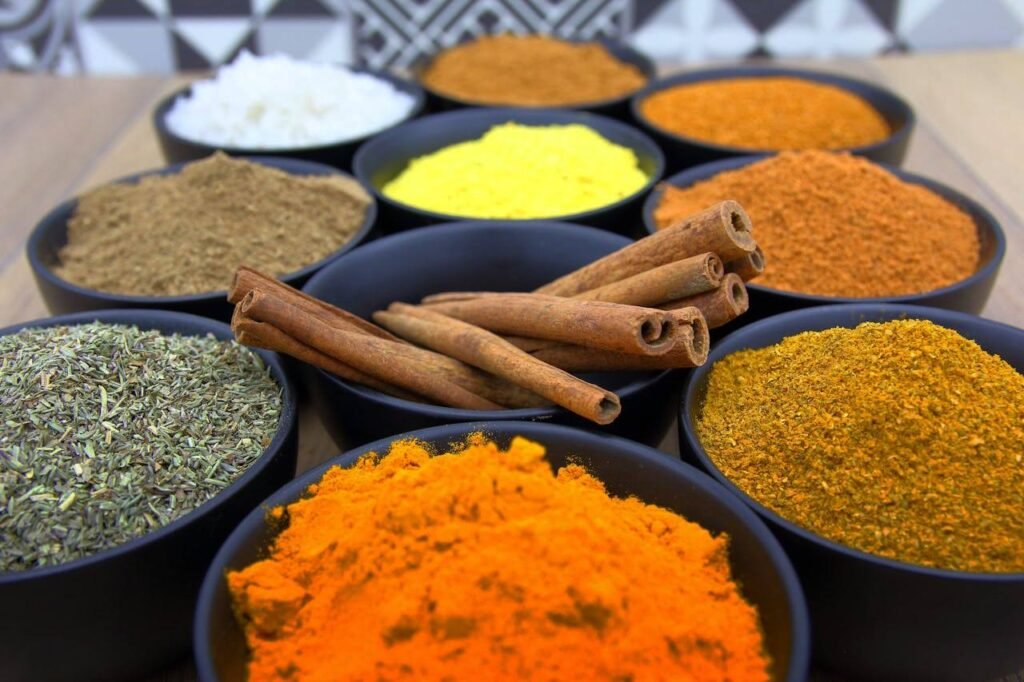
Other key ingredients include Damask rose, jasmine, amber, sandalwood, and spices like cardamom and cinnamon. Many of these raw materials are sourced with great care, often from specific regions known for their exceptional quality – such as Taif rose from Saudi Arabia or Mysore sandalwood from India.
These fragrances are often crafted through slow maceration and distillation processes, requiring time, expertise, and precision to fully reveal the richness of each component. In many cases, perfumery is still considered an artisanal craft, passed down through generations, where intuition and experience play a fundamental role alongside technical knowledge.
Olfactory Composition: A Symphony of Layers
Unlike many Western fragrances, which tend to follow a more linear structure, Arabian perfumes evolve in complex layers, revealing different facets over time.
Unexpected combinations – such as oud paired with rose, or amber blended with spices – create a fascinating balance between contrast and harmony. These bold contrasts are not accidental: they reflect a perfumery tradition that embraces intensity, richness, and emotional impact over subtlety.
Another distinctive aspect is the use of oil-based perfumes, often alcohol-free, which sit closer to the skin and evolve more slowly, creating a more intimate and personal scent trail.
The Cultural Role of Perfume in the Middle East
In Middle Eastern culture, perfume is far more than a beauty product – it is a daily ritual and a form of self-expression. Fragrance is layered, combined, and reapplied throughout the day, becoming part of one’s identity.
It is also closely linked to hospitality and social customs: offering perfume to guests is a gesture of respect and generosity. Even clothing and living spaces are often scented, creating a fully immersive olfactory environment.
This deep cultural connection explains why Arabian fragrances tend to be more intense, long-lasting, and expressive – they are designed not just to be worn, but to be experienced.
How to Choose the Perfect Arabian Perfume
Choosing the perfect Arabian perfume is a personal and subjective journey, guided by your own tastes and preferences. However, a few key factors can help you make the right choice.
Start by identifying the ingredients you naturally gravitate toward: if you love intense, woody scents, opt for fragrances built around oud or sandalwood. If you prefer lighter compositions, floral notes like Damask rose or jasmine may be ideal.
Finally, don’t be afraid to step outside your comfort zone. Arabian perfumery invites you to explore bold, unconventional combinations and discover new olfactory dimensions you may have never considered before.