The European Commission has set out economic and employment policy priorities to boost competitiveness in Europe, calling for coordinated EU action to strengthen productivity, innovation and investment.

The 2026 Autumn Package launches the 2026 European Semester cycle, which will improve its analytical basis, strengthen dialogue between EU Member States and stakeholders, and reinforce the focus on implementation.
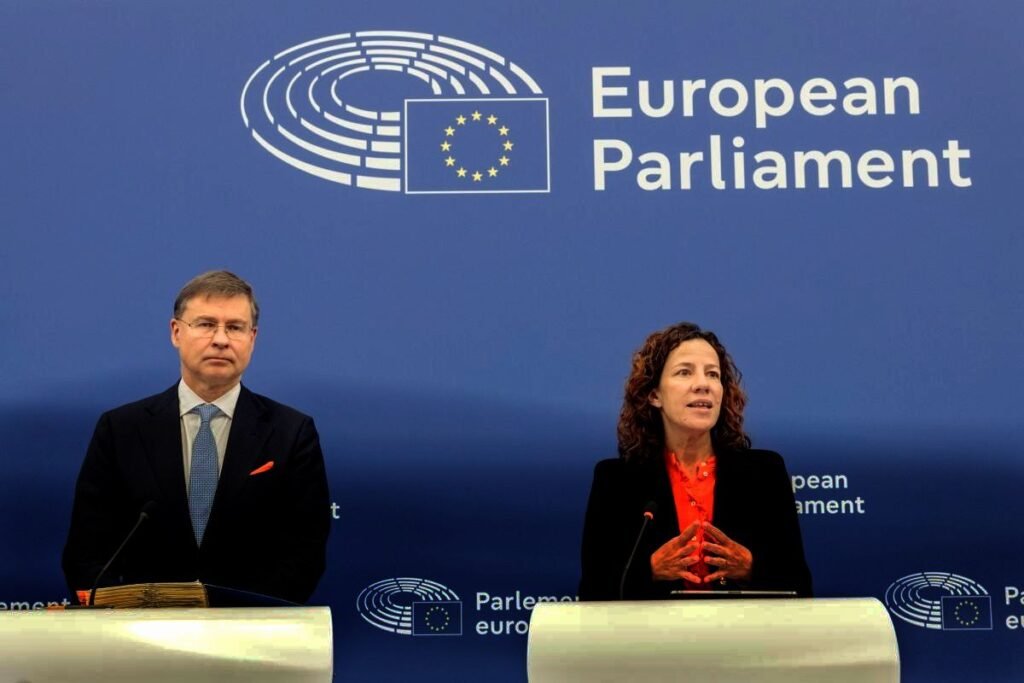
“With the launch of the 2026 European Semester cycle, we are putting Europe’s competitiveness firmly at the centre of our agenda, in line with the Competitiveness Compass,” said Economuc Commissioner Valdis Dombrovskis: “In a challenging global environment, Europe must generate its own growth momentum by boosting productivity, fostering innovation and removing obstacles to investment. The Semester will contribute to this goal through coordinated national reforms, timely implementation of Recovery and Resilience Plans, and concrete action to foster our security and a resilient financial sector.”
The European Semester Autumn Package provides a comprehensive overview of the economic, social, and employment developments in EU Member States, and sets the stage for the annual European Semester cycle.
The package is focused on providing coordinated policy guidance to deliver on the Competitive Compass. By achieving stronger economic and social coordination, the objective is to ensure sustainable economic growth, job creation, macroeconomic stability and sound public finances across the EU.
The Autumn Package therefore includes policy guidance on the economic policy of the euro area and, for the first time, new policy guidance on human capital in the Union, as announced in the Union of Skills.
“Competitiveness means using our labour force, growing and keeping our talent, and ensuring that education and training policies answer the needs of today and tomorrow,” said EC executive vice-president Roxana Mînzatu: “This is the only way the EU can increase its productivity and maintain economic growth and the welfare of our union.”
Included in this year’s European Semester Autumn Package is a comprehensive package of policy documents:
- A chapeau communication setting out the joint EU policy priorities and an overview of the package;
- A proposal for a 2026 recommendation for the economic policy of the euro area;
- The first edition of the European Macroeconomic Report that aims to inform strategic policy choices to strengthen the euro area and EU’s resilience in the face of a rapidly evolving global order;
- The 2026 Alert Mechanism Report, which aims to identify potential macroeconomic imbalances in Member States;
- A number of documents related to fiscal surveillance, including opinions on draft budgetary plans and a Report under Art. 126(3) of the Treaty on the Function of the EU, evaluating the compliance of EU Member States with the deficit criterion;
- A Communication on Post-Programme Surveillance Assessments;
- A proposal for a Joint Employment Report, which monitors the implementation of employment guidelines and the European Pillar of Social Rights;
- A Recommendation for a Council Recommendation on Human Capital, which aims to address skills shortages and promote human capital development in the EU.
The Eurogroup and EU Council will now discuss the documents presented in the Semester Autumn Package, with the view to endorsing guidance offered.
The Commission says it will engage in constructive dialogue with the European Parliament on the contents of this package, as well as on each subsequent steps in the European Semester cycle.
Questions and answers on the 2026 European Semester Autumn Package