The EU’s Spring 2026 Economic Forecast, published Thursday, is projecting weaker economic activity for Europe’s economy, a result of a reigniting of energy inflation caused by the conflict in the Middle East.

The EU economy had been set to keep expanding at a moderate pace alongside a further decline in inflation, according to the European Commission, but the outlook has changed substantially since the outbreak of the conflict.
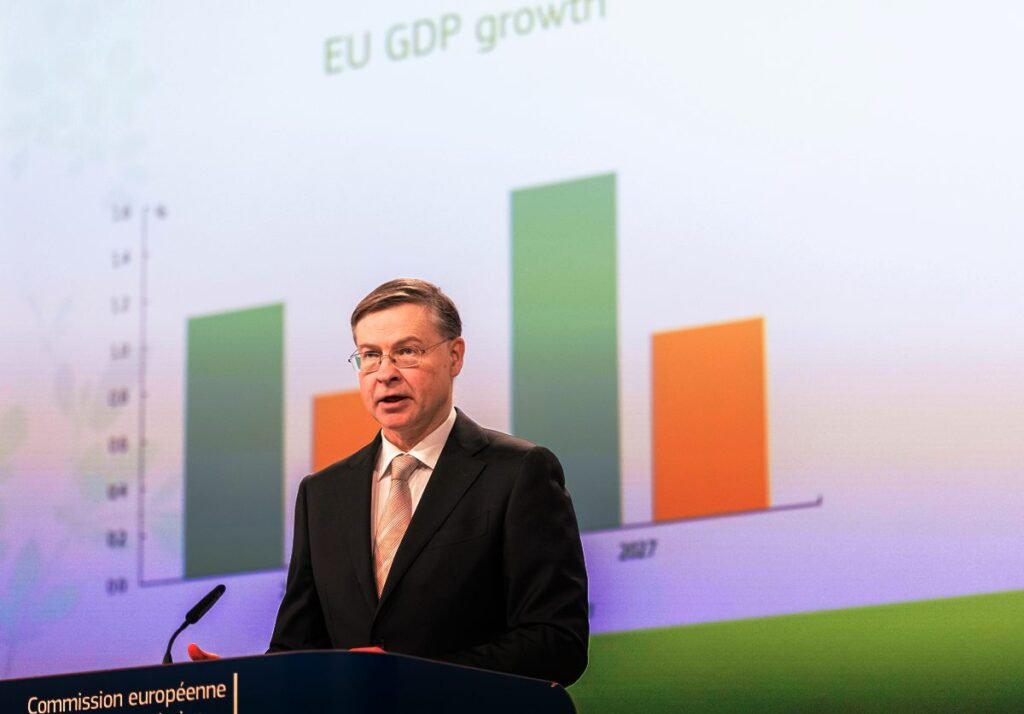
“The conflict in the Middle East has triggered a major energy shock, further testing Europe as it navigates an already volatile geopolitical and trade environment”, said EU Economy Commissioner Valdis Dombrovskis: “The EU must learn from past crises by keeping fiscal support temporary and targeted, and further reducing its reliance on imported fossil fuels – a shift that has already strengthened our resilience. Acting with unity and determination, Europe should accelerate reforms, remove barriers to growth, and safeguard sound public finances.”
The situation is set to improve slightly in 2027 if tensions on energy markets ease, says the forecast. After reaching 1.5% in 2025, GDP growth in the EU is now projected to slow down to 1.1% in 2026—a downward revision of 0.3 percentage points from the Autumn 2025 Economic Forecast projection (1.4%). GDP growth is then set to edge up to 1.4% in 2027. Growth projections for the euro area are similarly revised down, to 0.9% in 2026 and 1.2% in 2027, from 1.2% and 1.4% respectively. Inflation in the EU is expected to reach 3.1% in 2026—a full percentage point higher than previously forecast—easing again to 2.4% in 2027. In the euro area, inflation is also revised up to 3.0% in 2026 and to 2.3% in 2027, compared to the autumn projections of 1.9% and 2.0% respectively.
The onset of the conflict saw consumer confidence drop to a 40-month low, amid mounting fears of surging inflation and job losses. Still, consumption is expected to remain the main driver of growth. Business investment is also set to be constrained by tighter financing conditions, lower profits and heightened uncertainty. Weaker external demand is also weighing on export growth.
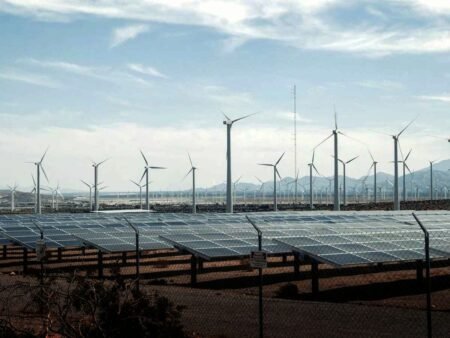
But the EU’s investment in energy resilience, especially in the aftermath of Russia’s full-scale invasion of Ukraine, is paying off, says the Commission. The push towards supply diversification, decarbonisation, and lower energy consumption has left the EU economy better placed to absorb today’s shock.
Headline inflation is set to peak in 2026 before easing in 2027, as energy commodity prices are expected to gradually decline, albeit remaining around 20% above pre-war levels.
The long-term decline in the unemployment rate is set to come to an end, stabilising at around 6% in 2027.
General government deficit in the EU is expected to increase from 3.1% of GDP in 2025 to 3.6% by 2027, reflecting subdued economic activity, higher interest expenditure, measures to cushion the impact of higher energy prices on vulnerable households and firms, and increased defence spending.
The major risk surrounding the forecast concerns the duration of the conflict in the Middle East and its implications for global energy markets.
Continued uncertainty surrounding global trade policies and the ongoing reconfiguration of geopolitical and trade relationships could further weigh on confidence and activity.
Full document: Spring 2026 Economic Forecast: Slowdown in growth as energy shock drives up inflation