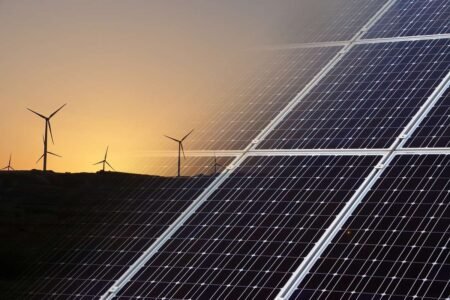
A European Grids Package and Energy Highways initiative, proposed by the EU Commission, is aimed at enabling energy to flow efficiently across all Member States, integrating cheaper clean energy and accelerating electrification.
This, says the EU executive, will help lower energy prices and support affordable living for all Europeans. It will ensure secure and reliable supply as Europe moves away from Russian energy imports to achieve energy independence.
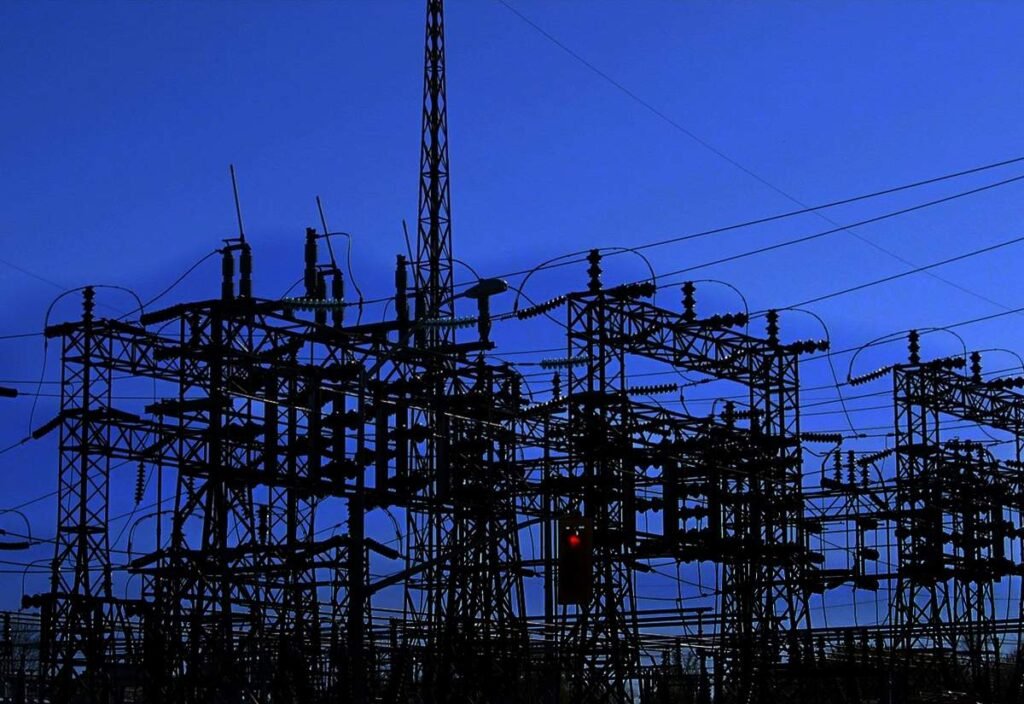
“A truly interconnected and integrated energy system is the foundation of a strong and independent Europe,” said Energy Commissioner Dan Jørgensen: “To achieve it, we need an energy infrastructure network of cables, pipes and grids that is up to date, fully interconnected, and that enables clean, affordable, homegrown energy to flow freely and securely to every corner of our Union.”
However, the cost of inaction is staggering: in 2022, fossil fuels had the largest share of gross available energy use (70%) in the EU, with 98% of all oil and gas used in Member States being imported. This exposes the EU to price volatility and geopolitical risks.
In 2024, industrial electricity prices in the EU reached €0.199 per kWh, compared to €0.082 in China and €0.075 in the US. In the first half of 2025, the average electricity price for EU consumers varied from €0.3835 per kWh in Germany to €0.1040 per kWh in Hungary, while non-household electricity prices ranged from €0.2726 per kWh in Ireland to €0.0804 per kWh in Finland. A key reason for this disparity is the insufficient level of investment in and integration of our infrastructure.
The Grids Package will bring a European perspective on infrastructure planning, accelerating permitting procedures and ensuring a fairer division of costs regarding cross-border projects.
To future-proof the grid infrastructure, the Commission is proposing additional ways of financing, such as cost-sharing and bundling: increasingly integrated cross-border energy infrastructure deliver benefits beyond the territories where they are built. This makes fair and transparent cost-sharing essential to avoid disproportionate burdens on local consumers.
To tackle this, the European Grids Package aims to provide more transparency and fairness in the way costs and benefits are assessed. Bundling infrastructure projects can also make financing easier, for example through the establishment of special purpose vehicles, thereby attracting additional investment.
The legislative proposals will now pass to the European Parliament and the Council under the ordinary legislative procedure.
Communication on European Grids Package – Energy – European Commission
Proposal for revised Trans-European Network for Energy (TEN-E) Regulation – Energy
Guidance on efficient grid connections – Energy – European Commission
Guidance on Contracts for difference – Energy – European Commission