EU member states have formally adopted a regulation to phase out Russian imports of both pipeline gas and liquified natural gas (LNG) into the European Union.
The new rules, seen as a key milestone in ending the EU’s reliance on Russian energy, also include measures on effective monitoring and diversification of energy supply.
The EU energy market would be stronger, more resilient and more diversified, said Cyprus’ energy minister Michael Damianos, for the EU presidency: “We are breaking away from detrimental reliance on Russian gas and taking a major step, in a spirit of solidarity and cooperation, towards an autonomous Energy Union.”
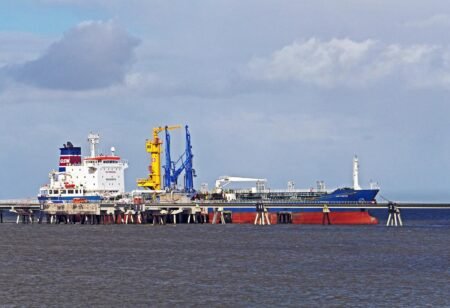
According to the regulation, importing Russian pipeline gas and LNG into the EU will be prohibited. The ban will start to apply six weeks after the regulation enters into force. Existing contracts will have a transition period. This stepwise approach will limit the impact on prices and markets. A full ban will take effect for LNG imports from the beginning of 2027 and for pipeline gas imports from autumn 2027.
Before authorising entry of gas imports into the Union, EU countries will verify the country where gas was produced.
Non-compliance with the new rules may result in maximum penalties of at least € 2,5 million for individuals and at least € 40 million for companies, at least 3,5 % the company’s total worldwide annual turnover, or 300 % of the estimated transaction turnover.
By 1 March 2026, EU countries must prepare national plans to diversify gas supplies and identify potential challenges in replacing Russian gas. To that end, companies will be required to notify authorities and the Commission of any remaining Russian gas contracts. EU countries still importing Russian oil will also have to submit diversification plans.
In the event of a declared emergency, and if security of supply is seriously threatened in one or more EU countries, the Commission may suspend the import ban for up to four weeks.
The regulation will now be published in the Official Journal of the EU. It will enter into force one day after publication and will apply directly in all EU countries.
The Commission is also planning to propose legislation to phase out Russian oil imports by the end of 2027.
Regulation on phasing out Russian natural gas imports
Energy prices and security of supply (background information)
Liquefied natural gas infrastructure in the EU (infographic)