The European Commission has fined three automotive starter battery manufacturers and a trade association a total of around €72 million for participating in a long-running cartel concerning automotive starter batteries.

“Today we have fined three automotive starter battery manufacturers and their trade association for agreeing to introduce a surcharge for the sale of their batteries, in breach of EU competition rules. In other words, they fixed the price,” said EC executive vice-president Teresa Ribera: “We have zero tolerance for price fixing or any type of cartel. It is our duty to ensure that our citizens and businesses, including European auto manufacturers can depend on suppliers that play fair and respect competition rules. With this decision, we also remind trade associations that they should not use their position as representatives of the industry to facilitate collusion among their members.”
The battery manufacturers Exide, FET (including its predecessor Elettra) and Rombat are deemed in breach of EU antitrust rules, as well as the trade association EUROBAT, together with Clarios (formerly JC Autobatterie).
Clarios was not fined, as it revealed the cartel to the Commission under the leniency programme. In parallel, the Commission has closed proceedings against automotive starter battery manufacturer Banner and the service provider Kellen.
The Commission’s investigation revealed that, for more than 12 years, the four manufacturers, Clarios, Exide, FET and Rombat, together with EUROBAT, entered into anticompetitive agreements and engaged in concerted practices related to the sale of automotive starter batteries to automotive original equipment manufacturers (“OEMs”) in the European Economic Area (“EEA”).
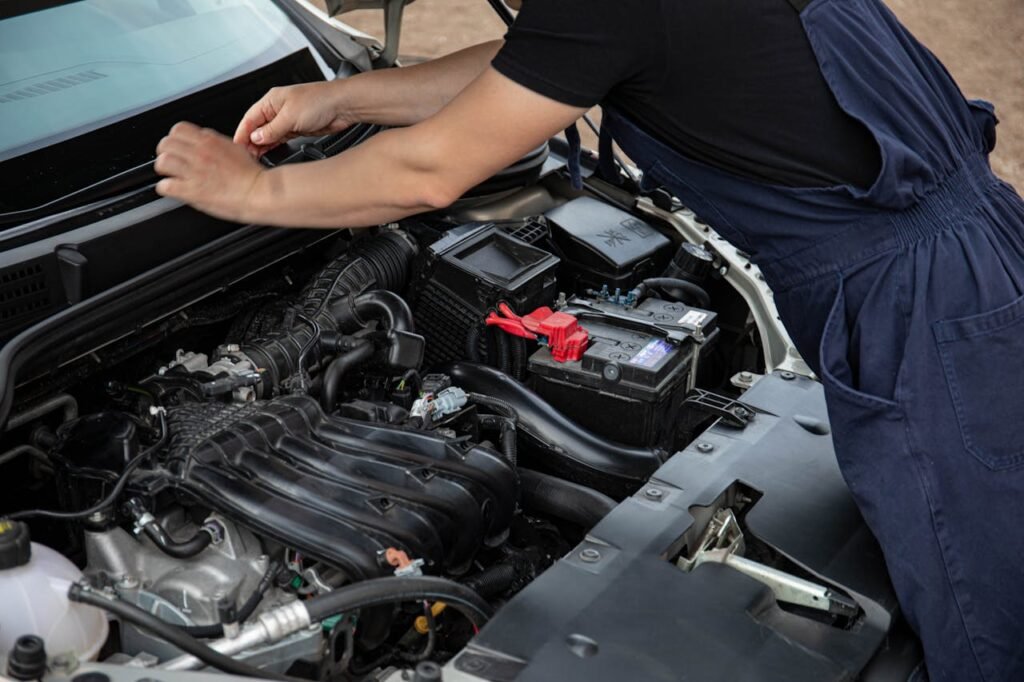
Automotive starter batteries are primarily used in vehicles powered by combustion engines, such as passenger cars or trucks. Lead is the most important input material and cost factor for these batteries, and battery producers pay a premium to suppliers to procure lead with the necessary quality.
The Commission found that the four manufacturers, helped by the trade association EUROBAT, agreed to create and publish premiums calculated based on their purchasing price of lead (the so-called EUROBAT premiums) in the industry publication Metal Bulletin. They also agreed to use such premiums in the price negotiations with their respective OEM customers, e.g. manufacturers of cars and trucks, to ensure that the resulting surcharge was kept at a level higher than it would have been without such agreement.
In general, a surcharge is a legitimate tool suppliers use to reflect changes in raw material costs in product prices, allowing them to transfer this cost risk to the customers. However, it is clearly illegal for suppliers to secretly coordinate to introduce and use such a surcharge as an industry-wide standard.
Today’s decision concludes that the conduct of the four automotive starter battery manufacturers and EUROBAT constitutes a single and continuous infringement, amounting to an infringement by object under Article 101 of the Treaty on the Functioning of the European Union (‘TFEU’) and Article 53 of the EEA Agreement, which prohibit agreements and other restrictive business practices that may affect trade and prevent or restrict competition within the Single Market.