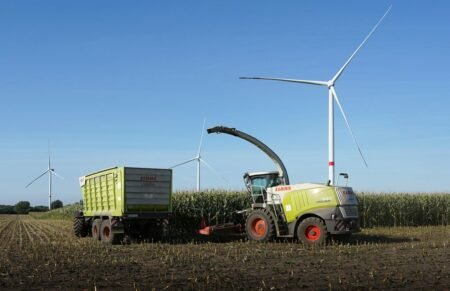
According to preliminary data from Eurostat, the supply of natural gas and renewable energy in the EU grew compared with 2024, while the supply of coal and petroleum products decreased.
According to preliminary data from Eurostat, the supply of natural gas and renewable energy in the EU grew compared with 2024, while the supply of coal and petroleum products decreased.




35.2 per cent of all managerial positions in the EU were held by women in 2024, up from 31.8% in 2014 according to figures just released by the EU’s statistics agency Eurostat.

EU countries imported €3 471 billion worth of services from non-EU countries in 2024, according to official statistics on international trade in services by modes of supply published by Eurostat.

The EU recorded a trade surplus in the last quarter of 2025, with goods exported to non-EU countries exceeding imports by €28.4 billion.
52.7% of EU enterprises used paid cloud computing services (i.e. online services used to access software, computing power, storage capacity, etc.) in 2025, marking a 7.4 percentage point (pp) increase compared with 2023.

12 EU countries with nuclear electricity production generated 649 524 gigawatt hours (GWh) of electricity in 2024, an increase of 4.8% compared with 2023, according to Eurostat.
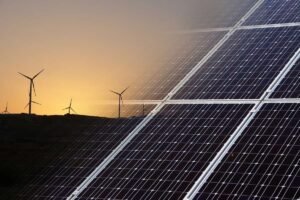
Renewable energy sources accounted for 47.5 per cent of gross electricity consumption in the EU in 2024, a 2.1 per cent increase over 2023, according to figures from Eurostat.