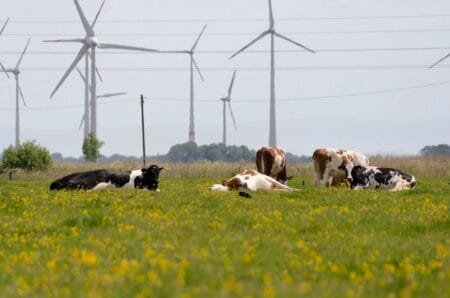
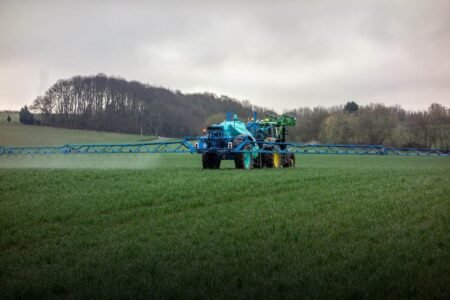
The European Commission has adopted a new EU Livestock Strategy with a view to strengthening Europe’s food security, reinforcing its strategic autonomy and helping ‘sustain vibrant rural communities’.

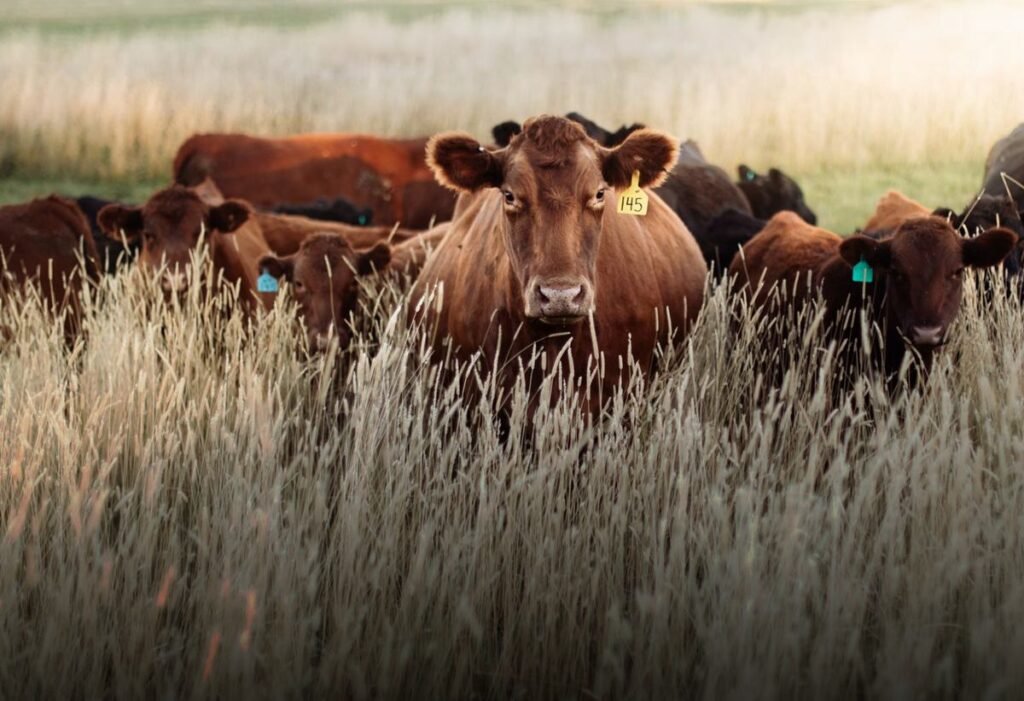
The strategy sets out actions to help livestock farmers address economic, environmental and market challenges. This long-term vision recognises the essential role of sustainable livestock farming in Europe’s future to protect Europe’s food security and support rural communities in all their diversity.
“The strategy adopted today proposes a forward-looking approach to livestock, placing animal health and animal welfare at its core”, said EC Commissioner Olivér Várhelyi: “It is the result of our broad consultation process with stakeholders across the sector, especially farmers, whose views have been carefully taken into account.”
The Livestock Strategy sets out the following five priorities:
- A resilient livestock sector prepared for crisis: the Commission is stepping up preparedness to reduce risk exposure and enable farmers to recover more quickly after crisis. It will strengthen risk-management tools and explore a new scheme for insurance and re-insurance. It will also support Member States in managing the impact of animal diseases to strengthen prevention, early detection and early action. Investments into climate resilience and reducing import dependencies remain a key priority.
- A competitive livestock sector: the Commission says it will work to boost profitability and uptake of innovation, and to bolster competitiveness and sustainability, so that the sector can thrive. In addition to the important role of the future EU budget, the Commission will explore how access to finance can facilitate the transition to cage-free systems and support permitting procedures, circularity, bioeconomy, and biomass valorisation. Furthermore, with fairness at the core of the Strategy, it will focus on fair income of farmers and ensuring international reciprocity. To deliver on this, the Commission will work on greater alignment of production standards, especially on animal welfare, in line with World Trade Organisation obligations. Efforts to promote new market opportunities through agri-food diplomacy will also be strengthened.
- A sustainable livestock sector: the strategy will promote a tailored approach to address sustainability challenges. It proposes measures to improve animal welfare through targeted revisions for laying hens, broilers and pigs, which will be evidence-based and accompanied by adequate transition periods and financial support. Moreover, the EU will develop harmonised methods for calculating livestock emissions at farm level, climate mitigation practices, nutrient management, and sustainable circulation of resources. It will strengthen cooperation from farmers to producers and support sustainability and socio-economic goals in the sector.
- A livestock sector fit for all farms and regions: the Commission will work with Member States on a plan to bring back sustainable livestock production to vulnerable regions, in particular those at risk of abandonment, with the support of a Land Observatory and supporting EU demography policies. The Livestock workstream will develop a roadmap for low-capacity and/or mobile slaughterhouses, contributing to fostering locally integrated livestock value chains, reducing animal transport and regenerating local economies.
- Excellence in livestock production: the Commission will make the EU’s excellence in production more visible and rewarding through strengthened EU origin labelling and quality recognition. It will develop a European Excellence scheme to better valorise higher standards, sustainability, and specific production characteristics. In addition, it will promote sustainable EU livestock products through dedicated promotion policies, geographical indications, the Buy European campaign and organic production systems.
The EU executive wants to rely less on imported inputs and more on domestic and circular resources, and reducing emissions as set out in the Protein Action Plan and the Fertiliser Action Plan. At the same time, preserving food safety and improving animal welfare remain key objectives.
The Livestock Strategy comes out with a Protein Action Plan. Together, these initiatives aim to reduce strategic dependencies, reinforce European food security and contribute to a stronger, more resilient and more strategic European agri-food system. The Protein Action Plan also aims to increase the supply and use of EU-grown protein. In 2025, only 25% of protein from oilseeds and protein crops were sourced in the EU. The Plan aims to increase the share to 35% by 2035. The Commission will support European protein crop production and improve the competitiveness of EU-grown proteins. By recognising the strong links between food, feed, energy and industrial value chains, it will also encourage innovation, investment, diversified diets and improved monitoring of protein dependencies.