

The European Commission is proposing to suspend, for one year, most favoured nation import duties for several key nitrogen fertilisers and inputs for their production (ammonia, urea).
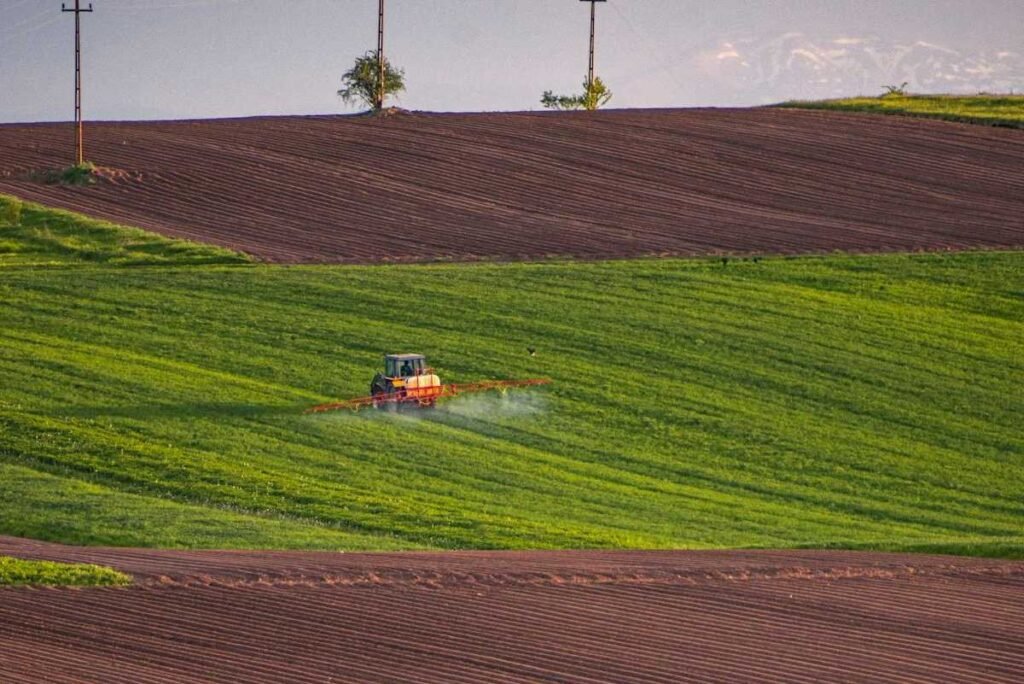
The tariff suspension, to be implemented for all countries except Russia and Belarus through duty-free tariff rate quotas, are aimed at strengthening the EU’s agri-food sector, lowering costs for farmers and the fertilisers industry by saving an estimated €60 million in import duties.
It will also facilitate reduction of the EU’s dependency on Russia and Belarus and support diversification of supply, where imports are still needed for the EU agricultural sector and the fertiliser industry. This will help ensure the EU’s food security and sovereignty in an increasingly unstable and uncertain world.
By eliminating MFN tariffs and by opening new opportunities via trade agreements, the Commission’s main aim is to support competitive, EU agri-food and fertilisers sectors, while searching for new and reliable suppliers. The proposed measure is carefully calibrated to the needs of the EU market, through the establishment of a quota system. Imports beyond these quotas will be subject to standard MFN duties.
The initiative delivers, says the Commission, on its commitment to address rising costs faced by EU farmers, and is an important component of the Commission’s work to address the high cost of fertilisers to EU farmers. It also aligns with broader efforts to secure EU food sovereignty and economic security in an uncertain global landscape.
An exception to the standard calculation rules was introduced, to reduce the impact of the Carbon Border Adjustment Mechanism (CBAM) on fertilisers, making them the only commodity to benefit from such an exception (use of a 1% markup instead of 10% with a progressive increase to 30% for all other sectors). In the context of CBAM implementation, the Commission continues to closely monitor the market.