Close Menu
    Latest Category
    • Finance
    • Tech
    • EU Law
    • Energy
    • About
    • Contact
    EUbusiness.com | EU news, business and politicsEUbusiness.com | EU news, business and politics
    Login
    • EU News
    • Focus
    • Guides
    • Press
    • Jobs
    • Events
    • Directory
    EUbusiness.com | EU news, business and politicsEUbusiness.com | EU news, business and politics
    Home » Capacity mechanisms show ‘significant shortcomings’ in efforts to secure energy supplies

    Capacity mechanisms show ‘significant shortcomings’ in efforts to secure energy supplies

    npsBy nps13 April 2016Updated:25 June 2024 No Comments3 Mins Read
    — Filed under: Energy EU News Headline1
    Share
    Facebook Twitter LinkedIn Pinterest Email
    Capacity mechanisms show 'significant shortcomings' in efforts to secure energy supplies

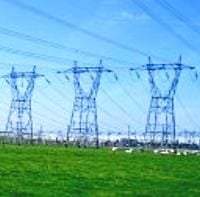
    Electricity pylons

    (BRUSSELS) – Capacity mechanisms have a strong role in increasing security of electricity supply but many EU Member States must be more thorough assessing need and design to ensure they are targeted and cost-effective.

    So says an interim report consolidating the findings and tentative conclusions of the sector inquiry into capacity mechanisms, adopted Wednesday by the European Commission, which now invites Member States, stakeholders in the electricity sector and others to submit comments on its initial findings.

    The report says that unnecessary and badly designed capacity mechanisms can distort competition, hinder electricity flows across borders and lead to consumers overpaying for electricity.

    The Commission now invites Member States, stakeholders in the electricity sector and others to submit comments on its initial findings.

    What are capacity mechanisms?

    An increasing number of Member States are taking action to secure their electricity supplies and prevent potential black-outs by introducing capacity mechanisms.

    Capacity mechanisms are measures taken by Member States to ensure that electricity supply can match demand in the medium and long term.

    Capacity mechanisms are designed to support investment to fill the expected capacity gap and ensure security of supply. Typically, capacity mechanisms offer additional rewards to capacity providers, on top of income obtained by selling electricity on the market, in return for maintaining existing capacity or investing in new capacity needed to guarantee security of electricity supplies.

    Capacity mechanisms have an impact on competition in the internal electricity market. Many of these mechanisms involve State aid, so they are subject to EU State aid rules. The European Commission has launched a sector inquiry, established a Working Group with Member States and started individual assessments of Member States’ capacity mechanisms on the basis of the Guidelines on State aid for environmental protection and energy 2014-2020 (“EEAG”).

    Commissioner Margrethe Vestager, in charge of competition policy, said: “European consumers and companies should not have to face black-outs, and capacity mechanisms can help to reduce this risk. At the same time, consumers should not overpay for electricity and competition should not be undermined. The report published today shows that there is a lot of room for Member States to improve how they assess whether capacity mechanisms are needed, and how they design them. Mechanisms that are open to electricity providers across EU borders are key to building a true Energy Union in Europe.“

    The Commission inquiry on capacity mechanisms shows capacity mechanisms can increase security of electricity supply but also points to a lack of proper and consistent analysis by many Member States of the actual need for capacity mechanisms. It also appears that most capacity mechanisms could be better designed in order to be more market-based and more cost effective. These findings do not prejudge the Commission’s assessment of the compatibility with EU state aid rules of any individual capacity mechanism, which requires a case-by-case analysis.

    Factsheet for further details

    Report and staff working document


    Add A Comment
    Leave A Reply Cancel Reply

    You must be logged in to post a comment.

    nps
    • Website

    Related Content

    Oil tanker - Image by Erich Westendarp from Pixabay

    New EU mechanism to lower price cap for Russian crude oil to $44,10 per barrel

    Robot doctor - Image by Thomas Meier from Pixabay

    EU launches EUR 307m artificial intelligence and related technologies calls

    Farm flooded with cows - Image by Brigitte Werner from Pixabay

    Climate and nature risks threaten Europe’s financial resilience and insurability – WWF report

    Sponsor: WWF15 January 2026
    Valdis Dombrovskis - Photo © European Union 2026

    Brussels presents 2026–2027 financial support package for Ukraine

    Renewable energy - Image by Maria Maltseva from Pixabay

    Nearly 50pct EU electricity came from renewables in 2024

    Olives - Image by Marco Centenaro from Pixabay

    EU’s checks on olive oil need tightening up: auditors’ report

    LATEST EU NEWS
    Oil tanker - Image by Erich Westendarp from Pixabay

    New EU mechanism to lower price cap for Russian crude oil to $44,10 per barrel

    15 January 2026
    Robot doctor - Image by Thomas Meier from Pixabay

    EU launches EUR 307m artificial intelligence and related technologies calls

    15 January 2026
    Valdis Dombrovskis - Photo © European Union 2026

    Brussels presents 2026–2027 financial support package for Ukraine

    14 January 2026
    Renewable energy - Image by Maria Maltseva from Pixabay

    Nearly 50pct EU electricity came from renewables in 2024

    14 January 2026
    Olives - Image by Marco Centenaro from Pixabay

    EU’s checks on olive oil need tightening up: auditors’ report

    14 January 2026

    Subscribe to EUbusiness Week

    Get the latest EU news

    CONTACT INFO

    • EUbusiness, 117 High Street, Chesham Buckinghamshire, HP5 1DE, United Kingdom
    • +44(0)20 8058 8232
    • service@eubusiness.com

    INFORMATION

    • About Us
    • Advertising
    • Contact Info

    Services

    • Privacy Policy
    • Terms
    • EU News

    SOCIAL MEDIA

    Facebook
    eubusiness.com © EUbusiness Ltd 2026

    Type above and press Enter to search. Press Esc to cancel.

    Sign In or Register

    Welcome Back!

    Login to your account below.

    Lost password?