The uncertainty around the coronavirus is undoubtedly the hardest thing to handle and we don’t see a way out of the dilemma. The COVID-19 pandemic has amplified uncertainty regarding the economy, finances, employment, relationships, and so on.
What will happen next? That’s a question that nobody can answer. Organisations within the European Union can enhance their response to the new virus via resilience planning ? in other words, to develop measures that allow for action in the context of unexpected events. Continuity planning is of paramount importance for preventing threats and ensuring ongoing operations before and during disaster recovery.
hjk
It’s normal to question the necessity of conducting market research during this time. Some argue that market research matters now more than ever as customers can provide invaluable insight, which helps in the larger decision-making process. Even if we’ve entered this decade with expectations of change, yet the reality was beyond expectations. The coronavirus outbreak has managed to change everything, including customer behaviour. The need for data is greater than ever. Businesses can’t rely on the same information when making important decisions or fall into the mistake of making assumptions. People’s behaviours and attitudes have changed significantly, which raises some concerns.
The great shift: B2B sales have changed during the COVID-19 pandemic
The way firms buy and sell to and from one another isn’t the same. Customers prefer placing orders through mobile apps and select suppliers based on their ability to ensure an impeccable digital experience. Forced to adapt to the new reality, B2B companies have implemented several changes, such as relying heavily on remote sales teams, and the odds are that they will sustain these shifts post-COVID-19. According to the experts at McKinsey, the B2B landscape is continually changing as decision-makers are struggling to respond to the coronavirus crisis.
We’re living in peculiar times when it’s paramount to get a good understanding of how the corporate message resonates with the audiences. The customer landscape isn’t what it used to be; nonetheless, with the right adjustments, any organisation can meet with success. The way a brand reacts and communicates impacts whether or not they’ll survive the crisis. While it might seem like the worst possible time to conduct market research, it’s necessary to engage in data collection and eliminate the uncertainty surrounding customer needs and preferences. Owing to advances in technology, it’s possible to carry out studies and conduct surveys online.
While quantitative research hasn’t been impacted, not the same can be said about qualitative research
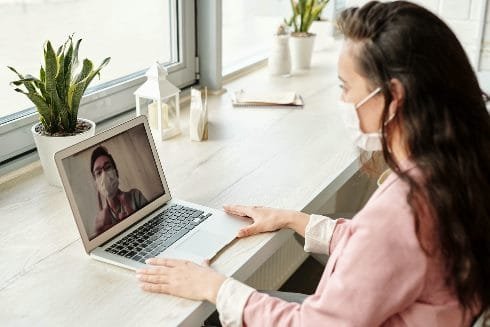
Quantitative market research implies collecting substantial amounts of data via surveys, questionnaires, and polling methods. Qualitative market research, on the other hand, is centred around determining customer motivation, which is usually done through quick observation. There hasn’t been a big impact on quantitative research as surveys or questionnaires can be completed online. Social distancing makes it impossible to do qualitative market research, some in-person data collections being put on hold. More exactly, market research can’t conduct in-person interviews or focus groups. There are virtual alternatives, of which mention can be made of computer-assisted telephone interviewing, but they bring about concerns about the reliability of the data.
Market researchers are unable to read respondents’ body language and neither are they able to spark a connection with the interviewee. To put it simply, it’s hard, if not impossible to replicate the same efficiency. Professionals have no choice but to do their best in their given situation and not put on hold data collections. Face-to-face fieldwork won’t be happening and it’s necessary to be prepared for data discontinuity. In the opinion of Savanta’s market research team, it’s no longer ethical to conduct face-to-face fieldwork due to the many risks associated with in-person interviews and observations. Given the challenges of securing data, it’s important to take into account digital alternatives to prioritise the safety of participants.
Questions that businesses need to answer right away
Businesses within the European Union must understand that this isn’t a pre- or post-coronavirus era and the virus will be here for a long time. It’s necessary to define a market research strategy for the COVID-19 era. Fortunately, social distancing rules don’t prevent organisations from obtaining much-needed information. Today’s tools, powered by technology, enable faster feedback, which makes fewer problems. In what follows, we’ll present the most important aspects to focus on.
How are customers responding to the coronavirus outbreak?
People are keeping up with the news, being very knowledgeable about the health crisis, and embracing disruptions to their daily lives. They don’t manifest concern for their personal health, but they are worried that their friends and family might fall ill. Not surprising, consumers are more likely to support local businesses during this time. Businesses should take note of people’s fears and expectations as the global pandemic unfolds. Artificial intelligence can be used to uncover changing topics and sentiments by analysing texts and images.
What do they expect from my brand?
B2B companies should invest all their resources into their brands, that is, to stand out from the crowd. Certain industries are threatened by COVID-19, including but not limited to the food industry and the tourism industry. Nevertheless, many sectors have managed to survive, even during lockdown, by staying connected with customers. Organisations need to take the time to understand what’s expected of them and increase the likelihood of gaining more customers. So, what are the issues that need to be addressed? On-demand convenience, real-time customers support, and personalised services are just some examples.
Will my marketing message resonate with the crisis?
Communicating with customers during this time marked by uncertainty is important, to say the least. Losing trust is quite easy. People are spending more time at home, focusing on digital media like never before and sharing their opinions on social media. It’s essential to ensure that the marketing message is adapted to the times we live in. Even companies that aren’t health-related should include details about the COVID-19 pandemic into the marketing messaging and content. It has never been more important to maintain connections and resonate with the audience.