


Members of the Atlantic tuna conservation commission, which include the European Union, have reached a breakthrough agreement to strengthen action against shark finning in the Atlantic and Mediterranean.
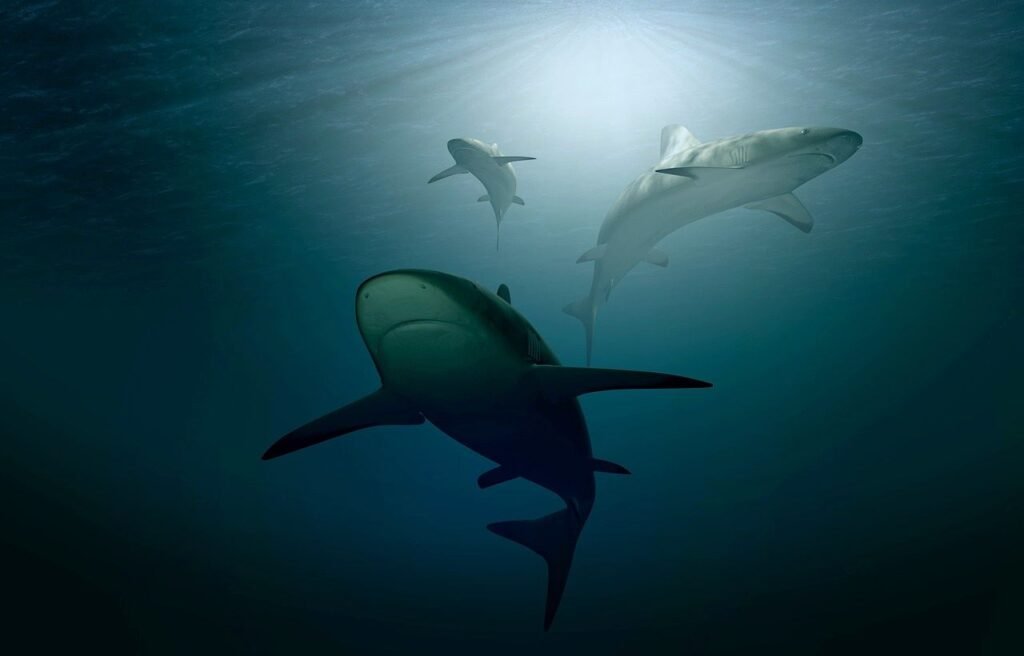
At the 2026 Annual Meeting of the International Commission for the Conservation of Atlantic Tunas (ICCAT) in ) in Vilamoura, Portugal, the decision puts ICCAT on track to introduce a full ‘fins naturally attached’ approach within no more than three years.
Shark finning – the practice of removing a shark’s fins and discarding the carcass at sea – is widely recognised as wasteful and harmful to shark conservation. The new ICCAT measure will help prevent this practice by requiring sharks to be landed with their fins naturally attached to the body and by prohibiting the carriage of loose fins on board fishing vessels. The new rules will apply from 2027 for fresh sharks and from 2030 for frozen sharks, allowing for a phased transition towards full implementation
The European Union played a key role in securing the agreement, tabling an ambitious proposal together with the United States and with the support of 18 co-sponsors. The outcome marks an important step forward for shark conservation. It will improve monitoring and control, support more sustainable shark fisheries, and demonstrate the value of international cooperation in fisheries governance.
“This agreement is a major step forward for shark conservation in the Atlantic and Mediterranean”, said the EU Commissioner for Fisheries and Oceans Costas Kadis: “It brings ICCAT closer to ending shark finning and shows what the EU can achieve by working with international partners for more sustainable and better managed fisheries.”
ICCAT is the regional fisheries management organisation responsible for the conservation and management of tunas and tuna-like species in the Atlantic Ocean and adjacent seas. It currently has 56 contracting parties, including the EU, which represents the interests of its Member States. The ICCAT Annual Meeting took place from 16 to 23 November 2026.
Sharks play a vital role in maintaining the balance of marine ecosystems and are vulnerable to human activities. Despite efforts to improve the conservation and management of sharks in recent years, many populations of sharks are in a critical situation. Over one third of shark species are threatened with extinction, i.e. considered critically endangered, endangered, or vulnerable.