

Ahead of World Heart Day and to mark the launch of the first-ever EU Screening Week, the European Commission has adopted a proposal for a Council Recommendation on cardiovascular health checks.
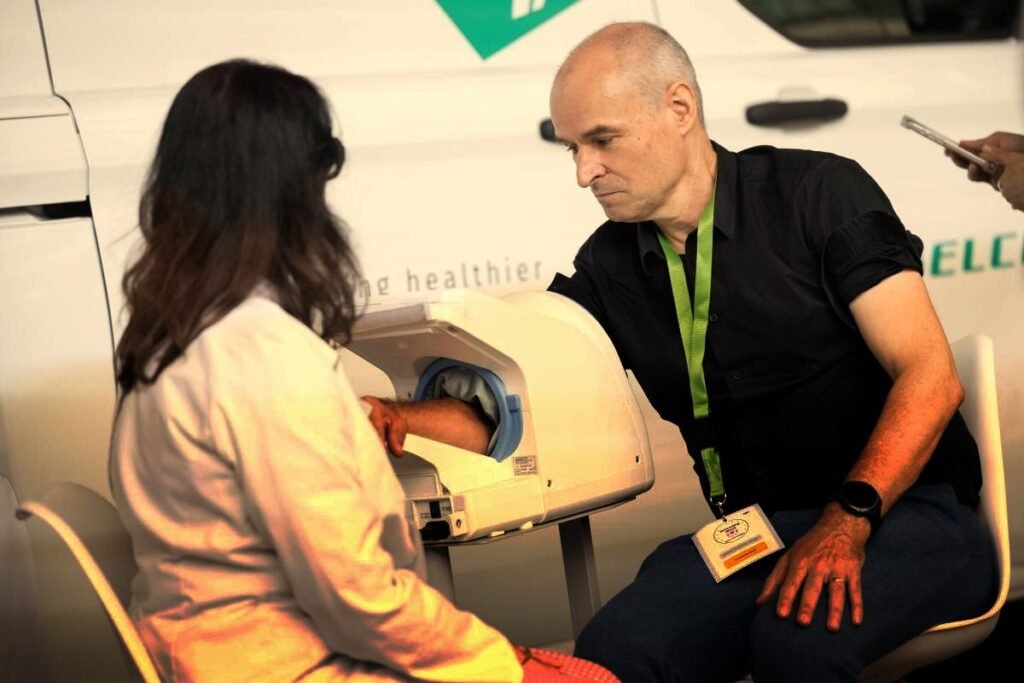
EU Screening Week aims to raise awareness of the risk factors for cardiovascular health and the importance of having health checks. It encourages people to speak to a health professional about cardiovascular health checks such as blood pressure, cholesterol and blood sugar levels. The campaign will run throughout 2027.
The Commission’s new recommendations on cardiovascular health checks aim to improve early detection and screening and, ultimately, reducing premature deaths from cardiovascular diseases.
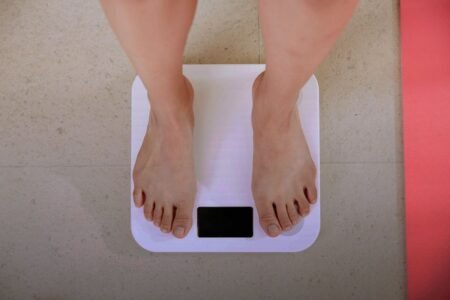
Cardiovascular diseases are the EU’s number one killer, claiming 1.7 million lives every year. They have a significant impact on health systems and cost the EU economy more than €282 billion annually. The Commission says 80% of cardiovascular diseases can be prevented by tackling risk factors such as high blood pressure, cholesterol, high blood sugar and obesity. The EU’s Safe Hearts Plan, presented in December 2025, aims to reduce premature cardiovascular deaths by 25% by 2035, including by tackling these risk factors.
The recommendation on health checks will support Member States in designing and implementing cardiovascular health checks at national level. It will also help tackle health inequalities across the EU by proposing these checks be accessible for all and addressing the needs of high-risk and vulnerable groups, in particular.
The Commission also calls on Member States to consider how to best support citizens who are at increased risk for cardiovascular diseases, including through personalised prevention and appropriate vaccination advice. The recommendation highlights how the latest health innovations, including data-driven and AI-based tools, can offer further opportunities to reinforce risk assessments and checks, so long as they are used responsibly and with proper human oversight.
In addition, the Commission has highlighted the role of health literacy in empowering citizens to take control of their health and understand the value of regular cardiovascular health checks. Member States are encouraged to raise awareness and promote their widespread uptake.