


The Commission has presented a new strategy setting out the EU’s political objectives on asylum and migration, focusing on illegal arrivals, while at the same time encouraging legal pathways to the EU.
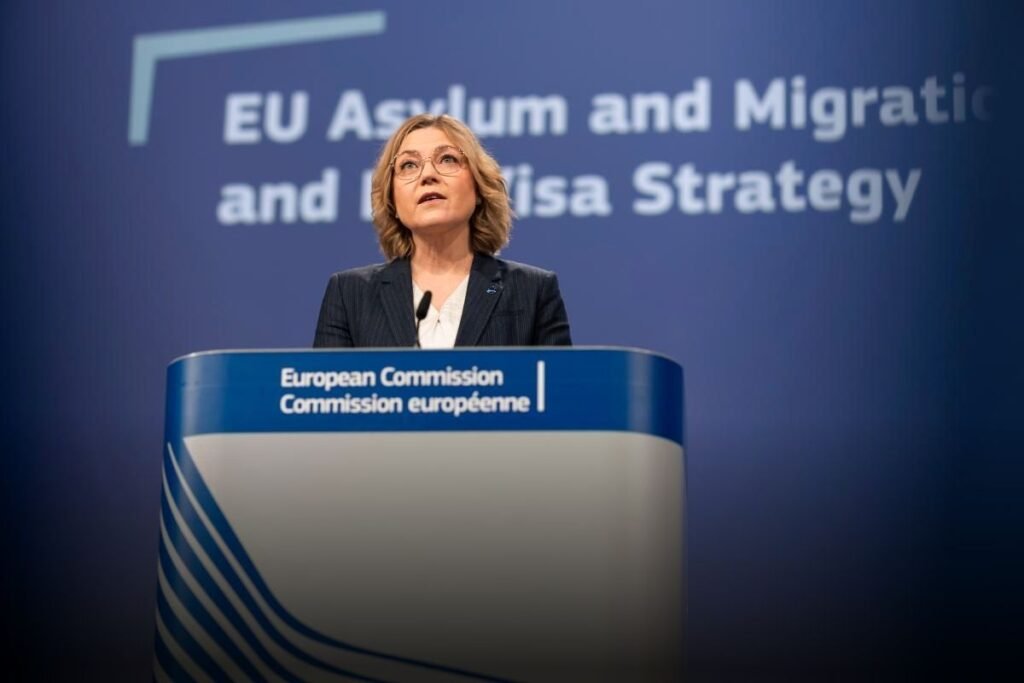
We need to “make our asylum and migration system future-proof,” said EC executive vice-president Henna Virkkunen: “We must notably sustain the reduction in illegal arrivals, while at the same time encouraging legal pathways to the EU. Both are needed for our system to work and our societies and economies to thrive. And we need to also embrace technological developments in this field. Our strategy is about ensuring protection while fighting abuse, supporting economic growth and competitiveness, and maintaining our European values.”
The new European Asylum and Migration Management strategy sets out the way forward on three objectives:
- prevent illegal migration and break the business of criminal smuggling networks
- to protect people fleeing war and persecution while preventing abuse of the system
- to attract talent to the EU to boost the competitiveness of our economies
To achieve this, the strategy identifies five priorities:
- Stronger cooperation on migration: The EU will work more closely with other countries to ensure migration is managed effectively and people’s rights are protected. This includes stepping up the global fight against migrant smuggling.
- Strong EU borders to enhance control and security: The EU aims to better control who enters its territory by strengthening border management. This includes the roll-out of the Entry/Exit System (EES) and the new European Travel Information Authorisation System (ETIAS), to create the world’s most advanced digital border management system.
- A firm, fair and adaptable asylum and migration system: The Commission will help EU countries in implementing the new rules with dedicated country teams and assist countries under migratory pressure, in line with the Pact’s solidarity principle.
- More effective return and readmission: The EU will improve how people without the right to stay are returned, ensuring the process is fast, effective and dignified. This includes building a common system for return and improving readmission by third countries.
- Attracting workers and skills: To stay competitive, the EU is attracting talent from around the world. It will expand existing and launch new Talent Partnerships and make it easier and faster to recognise foreign qualifications and skills.
The strategy also promotes the full use of digitalisation and artificial intelligence in asylum and migration management. This will help improve the quality and timeliness of decision-making, as well as enhance security, while offering better services to people.
At the same time, the Commission has put forward the EU’s first-ever visa strategy. The visa strategy works on three key areas:
- Stronger security: The EU will modernise how visa-free travel is granted and monitored, strengthen monitoring of existing visa-free regimes, introduce possible targeted restrictive visa measures when needed, and strengthen travel document security.
- Boosting prosperity and competitiveness: New measures will make the EU more attractive to skilled workers, and make legitimate travel easier, and more predictable. This includes new digital procedures for both visa-free and visa required travellers and multiple-entry visas with a longer validity for trusted travellers.
- Modern visa tools: The EU will make its visa and border IT systems interoperable by 2028. This will allow authorities to check multiple databases at once and through a single, central search, improving information-sharing and preventing visa abuse.